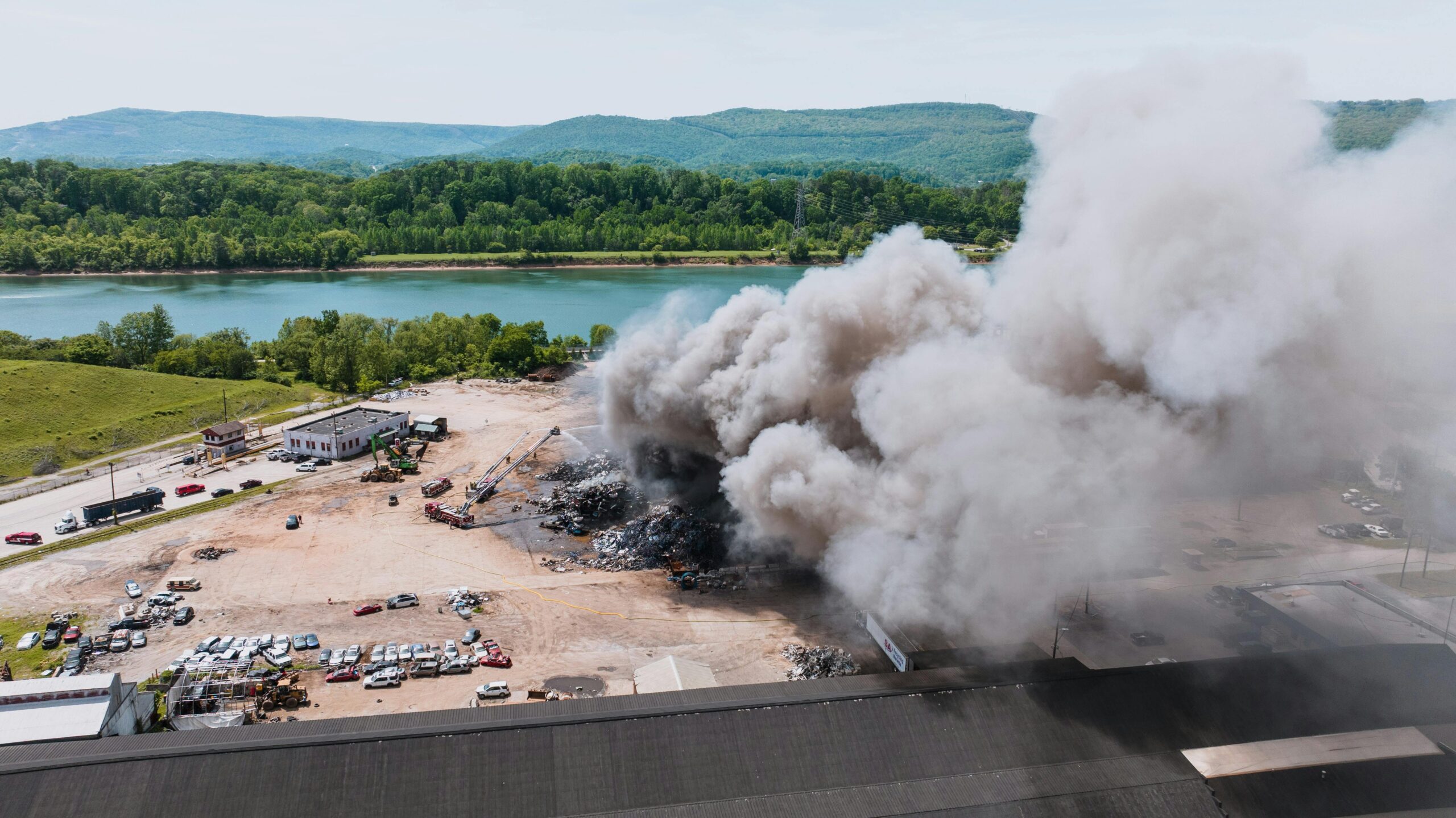
Understanding ember generation patterns throughout the day can revolutionize your approach to drift control, helping you maximize efficiency while minimizing environmental impact.

🔥 The Hidden Rhythm of Ember Production
Ember generation isn’t a constant phenomenon. Like many natural processes, it follows distinct temporal patterns influenced by atmospheric conditions, temperature fluctuations, and environmental factors that change dramatically from dawn to dusk. Recognizing these patterns represents a crucial step toward implementing more effective drift control strategies that protect surrounding areas while maintaining operational efficiency.
For decades, fire management professionals and land managers have observed that ember production and transport vary significantly depending on the time of day. However, only recently has scientific research begun to quantify these variations and provide actionable insights for practical application. This knowledge gap has resulted in generalized approaches to drift control that often prove either excessive or inadequate depending on timing.
Morning Hours: The Deceptive Calm Period
The early morning hours, typically between 5 AM and 9 AM, present unique challenges for ember management. During this period, atmospheric conditions create what many practitioners mistakenly perceive as ideal conditions for controlled operations. However, this perception requires careful examination.
Temperature Inversions and Ember Behavior
Morning temperature inversions trap cooler air near the ground while warmer air sits above. This stratification significantly affects ember generation and transport. Embers produced during inversion conditions tend to remain concentrated in lower atmospheric layers, potentially creating intense localized drift patterns rather than dispersing broadly.
The relative humidity during morning hours typically reaches its daily maximum, often exceeding 70-80% in many regions. This moisture content affects fuel combustion characteristics, generally reducing ember generation rates but potentially increasing ember persistence once airborne. Wet fuels smolder more readily than they flame, producing different ember size distributions compared to afternoon burns.
Wind Speed Considerations at Dawn
Morning wind speeds typically represent the daily minimum, often dropping below 5 mph in many locations. While this might seem advantageous for drift control, low wind speeds during inversions can create unpredictable drift patterns. Embers may loft vertically through convection columns, then drift laterally when reaching higher atmospheric layers with different wind directions.
Understanding these morning dynamics allows managers to adjust operations accordingly. Some situations benefit from morning timing, particularly when dealing with fuels that produce minimal ember generation. However, high ember-producing materials may require different timing strategies to optimize drift control.
Mid-Morning Transition: The Window of Opportunity ⏰
Between approximately 9 AM and 11 AM, atmospheric conditions undergo significant transformation. This transition period often provides optimal conditions for operations requiring tight drift control while generating moderate ember quantities.
As solar heating intensifies, temperature inversions break down, creating better atmospheric mixing. This mixing disperses embers more uniformly rather than concentrating them in problematic patterns. Simultaneously, relative humidity begins declining from morning peaks while remaining sufficiently high to moderate fire behavior.
Wind speeds typically increase during this period but remain moderate, generally ranging from 5-10 mph in most locations. These moderate speeds provide sufficient dispersion without creating the extreme spotting distances associated with higher afternoon winds. The combination of breaking inversions, moderate humidity, and gentle winds creates favorable conditions for predictable ember behavior.
Fuel Moisture and Ignition Patterns
Mid-morning fuel moisture content occupies a middle ground between morning saturation and afternoon dryness. This intermediate moisture level produces flame-dominated combustion with moderate ember generation—ideal for operations requiring balance between completion rates and drift control.
Fire managers can capitalize on this window by scheduling high-priority operations requiring maximum control during these hours. The predictability of ember transport during this period allows for tighter buffer zones and more confident operations near sensitive receptors.
Afternoon Peak: Maximum Ember Generation Period
The afternoon hours, particularly between 1 PM and 5 PM, represent the peak period for ember generation and long-distance transport. Multiple factors converge during this timeframe to create challenging conditions for drift control.
Atmospheric Instability and Convective Columns
Strong solar heating creates maximum atmospheric instability during afternoon hours. Unstable conditions generate powerful convective columns that loft embers to considerable heights—sometimes exceeding 500-1000 feet above ground level. At these altitudes, embers encounter faster wind speeds and can travel remarkable distances before descending.
Research has documented ember transport distances exceeding one mile during peak afternoon conditions with moderate wind speeds. Under extreme conditions, embers can travel multiple miles, creating spot fires far beyond anticipated impact zones. This long-distance transport potential necessitates significantly expanded buffer zones during afternoon operations.
Relative Humidity Minimums and Fire Behavior
Afternoon relative humidity typically reaches daily minimums, often dropping below 30% and sometimes below 20% in arid regions. These low humidity levels produce extremely dry fuels that combust rapidly with intense flaming and prolific ember generation.
The combination of dry fuels, strong convection, and elevated wind speeds creates what fire scientists term “critical fire weather”—conditions where fire behavior becomes difficult to predict and control. Ember generation during these conditions can increase by 300-500% compared to morning periods, with individual embers also traveling significantly farther.
Strategic Timing for Different Objectives
Despite challenging conditions, afternoon hours sometimes offer advantages for specific objectives. When rapid consumption is prioritized over drift control, afternoon conditions accelerate completion. Additionally, some drift-sensitive operations might intentionally avoid afternoon timing, using this period for preparation activities rather than active operations.
Evening Transition: Decreasing Risk and Opportunity 🌅
As afternoon transitions toward evening, typically between 5 PM and 8 PM, atmospheric conditions moderate. This evening transition period presents a second window of opportunity for operations requiring enhanced drift control.
Solar heating diminishes, reducing atmospheric instability and weakening convective columns. This stabilization limits ember lofting heights, keeping embers closer to the ground where they experience lower wind speeds and settle more quickly. Simultaneously, relative humidity begins recovering from afternoon minimums, moderating fire behavior.
Wind speeds typically decrease during evening hours, though not as dramatically as the morning decline. This gradual decrease allows for adjustment of operations based on observed conditions rather than requiring abrupt transitions.
Visibility and Safety Considerations
Evening operations must balance improved drift control conditions against declining visibility. Reduced light levels complicate spot fire detection and emergency response. Many organizations establish policies requiring operation cessation before full darkness regardless of favorable drift conditions.
The evening period works exceptionally well for operations beginning earlier in the day but extending toward dusk. As conditions moderate, drift control becomes progressively easier, allowing operations to conclude with minimal impact on surrounding areas.
Nighttime Operations: Special Considerations Under Darkness
Nighttime operations, while uncommon, occur in specific circumstances requiring round-the-clock attention. Understanding ember generation patterns during darkness proves essential for these specialized situations.
Nocturnal temperature inversions redevelop after evening transition, creating atmospheric stability similar to morning conditions. However, without solar heating, these inversions persist longer and often intensify throughout the night. This stability dramatically suppresses ember lofting but can concentrate drift in lower atmospheric layers.
Relative humidity typically increases throughout the night, approaching morning maximums. High humidity moderates combustion intensity and reduces ember generation rates. However, visibility limitations and reduced staffing availability typically outweigh favorable drift conditions, making nighttime operations suitable only for specific scenarios requiring continuous monitoring.
📊 Quantifying Temporal Patterns: Data-Driven Approaches
Modern technology enables precise quantification of ember generation patterns throughout the daily cycle. Weather stations, remote sensing equipment, and specialized monitoring systems provide real-time data supporting informed decision-making.
| Time Period | Relative Ember Production | Average Transport Distance | Drift Control Difficulty |
|---|---|---|---|
| Early Morning (5-9 AM) | Low to Moderate | Short to Medium | Moderate |
| Mid-Morning (9-11 AM) | Moderate | Medium | Low to Moderate |
| Afternoon (1-5 PM) | High to Very High | Long to Very Long | High to Very High |
| Evening (5-8 PM) | Moderate to Low | Medium to Short | Moderate to Low |
| Night (8 PM-5 AM) | Low | Short | Moderate |
This quantified understanding allows managers to select optimal timing windows based on specific objectives and constraints. Operations requiring maximum drift control naturally gravitate toward mid-morning and evening transition periods, while operations prioritizing rapid completion might utilize afternoon conditions with expanded buffer zones.
Seasonal Variations in Daily Patterns
Time-of-day patterns don’t remain constant throughout the year. Seasonal variations in day length, solar angle, and general weather patterns significantly modify daily ember generation cycles.
Summer Patterns: Extended Afternoon Risk
Summer’s long days extend the afternoon high-risk period, sometimes lasting six or more hours. The elevated solar angle creates intense heating and prolonged atmospheric instability. These extended risk periods narrow optimal operational windows, requiring careful scheduling to maximize productivity while maintaining drift control.
Summer also typically brings lower overall humidity levels, meaning even morning and evening periods experience drier conditions than similar times during other seasons. This baseline dryness increases ember generation rates across all time periods compared to more humid seasons.
Winter Patterns: Compressed Daily Cycles
Winter’s short days compress daily cycles into narrower timeframes. The afternoon peak period shortens significantly, sometimes lasting only 2-3 hours. Lower solar angles reduce heating intensity, moderating atmospheric instability even during midday hours.
However, winter operations face different challenges. Low humidity may persist throughout the day in some regions, while others experience constantly high humidity that prevents fuels from drying sufficiently for effective combustion. Understanding these seasonal modifications to basic daily patterns proves essential for year-round drift management.
Implementing Pattern Knowledge: Practical Strategies 💡
Translating pattern understanding into practical drift control strategies requires systematic approaches integrating temporal knowledge with other management factors.
Scheduling Optimization
Schedule high-priority operations requiring tight drift control during optimal time windows identified through pattern analysis. Reserve afternoon periods for preparatory activities, equipment maintenance, or operations with sufficient buffer zones to accommodate increased ember transport distances.
Develop contingency schedules accounting for weather variations. Unseasonably dry mornings might require shifting operations normally scheduled for that period, while unusually stable afternoons might provide unexpected opportunities for careful operations.
Buffer Zone Adjustments
Implement time-variable buffer zones that expand during high-risk afternoon periods and contract during optimal morning and evening windows. This dynamic approach maximizes operational flexibility while maintaining appropriate protection for sensitive receptors.
Document and validate buffer zone requirements through monitoring of actual ember transport distances during different time periods. Build organizational knowledge bases linking time-of-day patterns to site-specific conditions and required setbacks.
Monitoring and Adaptive Management
Establish monitoring protocols that track ember generation and transport in real-time, allowing for immediate operational adjustments. Deploy spotters at strategic locations during operations, with positioning adjusted based on time-of-day expectations for drift direction and distance.
Use monitoring data to validate predictions and refine understanding of site-specific patterns. Some locations exhibit unique characteristics that modify general patterns, requiring customized approaches developed through experience and observation.
Advanced Considerations: Microclimates and Topographic Effects
General time-of-day patterns provide valuable frameworks, but local conditions can significantly modify these patterns. Topography creates microclimates that alter standard temporal cycles in predictable ways.
Valley locations experience enhanced temperature inversions during morning and evening periods, often persisting longer than surrounding areas. Ridge tops typically experience stronger winds and less pronounced diurnal cycles. Slope aspects create different heating and cooling patterns, with south-facing slopes experiencing earlier and more intense afternoon peaks in the Northern Hemisphere.
Coastal areas exhibit modified patterns influenced by sea breeze circulations that develop during afternoon heating. These circulations can either enhance or moderate inland drift depending on orientation. Large water bodies create local wind patterns that override regional trends during certain times of day.
Understanding these local modifications to general patterns requires site-specific observation and analysis. Experienced practitioners develop intuitive understanding through repeated operations in familiar locations, but systematic documentation accelerates this learning process for entire organizations.
Training and Organizational Knowledge Development 📚
Maximizing benefits from temporal pattern understanding requires organizational commitment to training and knowledge development. Individual expertise must transform into institutional capability.
Develop training programs that incorporate time-of-day considerations into standard operational planning processes. Use case studies demonstrating successful applications of temporal knowledge alongside examples where ignoring these patterns led to problems.
Create mentorship opportunities pairing experienced practitioners with newer personnel during operations spanning multiple time periods. This experiential learning accelerates pattern recognition skills that prove difficult to convey through classroom instruction alone.
Document organizational experiences through after-action reviews that explicitly analyze temporal factors. Build databases linking time-of-day conditions to operational outcomes, creating evidence bases supporting refined guidelines and decision support tools.
Looking Forward: Emerging Technologies and Future Directions
Technological advances promise enhanced understanding and application of time-of-day patterns in drift control. Weather forecasting improvements provide increasingly accurate predictions of conditions during specific operational windows, enabling more confident advance planning.
Remote sensing technologies monitor atmospheric conditions in real-time with spatial resolution previously unattainable. Doppler radar systems track smoke plume behavior, providing direct observation of ember transport patterns during operations. These observations validate predictions and support immediate tactical adjustments.
Modeling tools incorporate temporal patterns alongside other factors, generating predictions of ember generation and transport customized for specific times and locations. As these models improve through validation against observed outcomes, they become increasingly valuable decision support resources.
The integration of temporal pattern knowledge with emerging technologies promises significant advances in drift control effectiveness. Organizations positioning themselves to capitalize on these advances through investment in monitoring equipment, staff training, and systematic knowledge management will gain substantial operational advantages.

Maximizing Success Through Temporal Awareness ⚡
Understanding time-of-day patterns in ember generation transforms drift control from reactive management to proactive strategy. By aligning operations with favorable temporal windows, managers simultaneously improve safety, reduce environmental impacts, and enhance operational efficiency.
This knowledge proves particularly valuable for operations near sensitive areas where drift consequences carry significant weight. Selecting optimal timing windows enables operations that might otherwise prove impossible, expanding management options while maintaining protection for important values.
Success requires moving beyond simple awareness to systematic integration of temporal knowledge into planning and operational processes. Organizations that institutionalize this understanding through policies, procedures, and training programs realize consistent benefits across all operations rather than depending on individual expertise.
The secrets of ember generation patterns throughout the day are no longer secret—they’re quantifiable, predictable, and actionable. The question isn’t whether these patterns exist or matter, but rather how quickly and completely organizations embrace this knowledge to improve their drift control effectiveness. Those leading this adoption will set new standards for operational excellence in fire management and related fields requiring precise control of combustion processes and their atmospheric consequences.