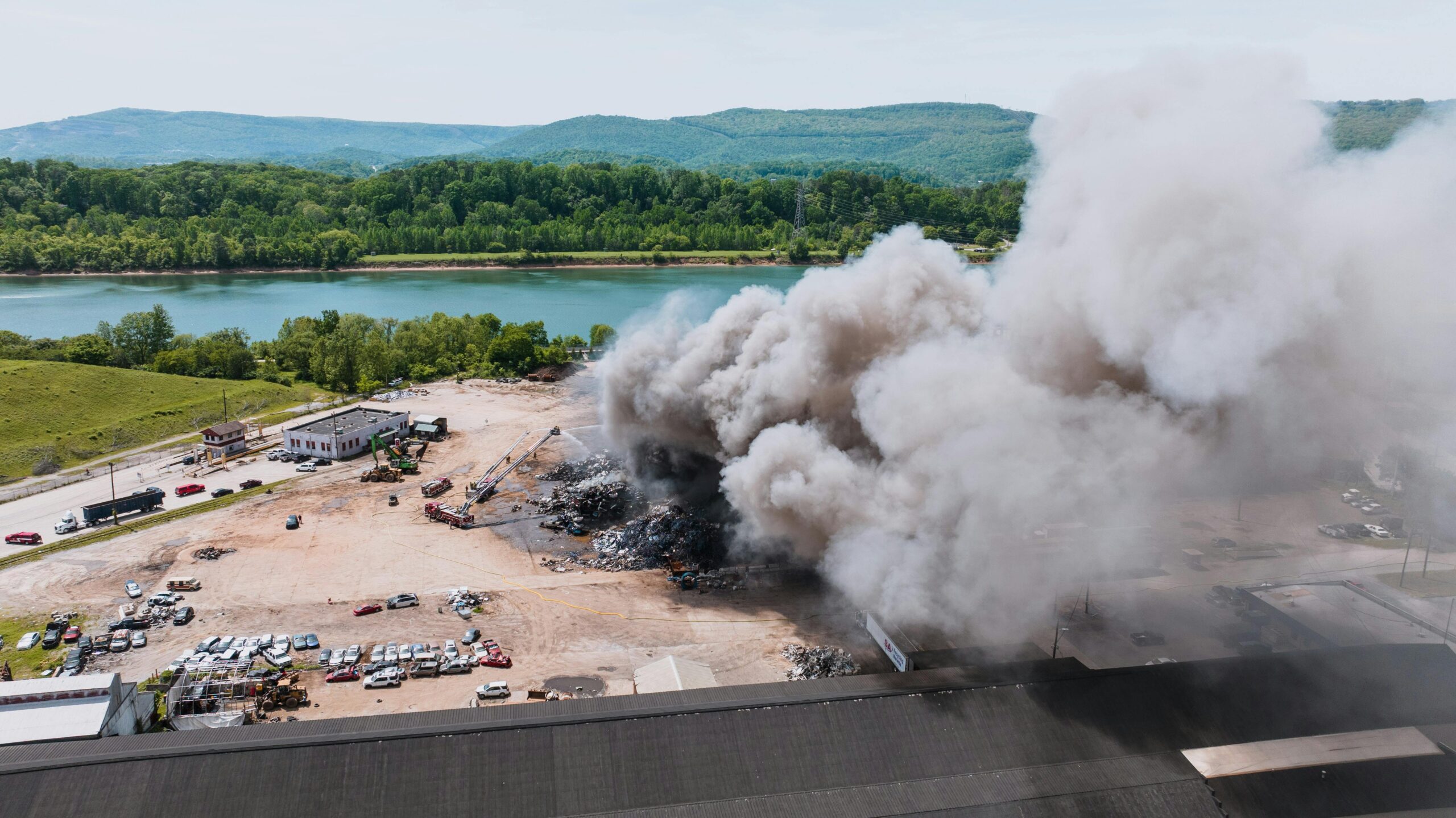
Predicting ember drift during wildfires has become increasingly critical for firefighters, land managers, and communities at risk. Weather forecasts provide essential data that can dramatically improve your ability to anticipate where burning embers will travel.

🔥 Understanding the Critical Connection Between Weather and Ember Transport
Ember drift prediction isn’t just about observing current conditions—it’s about anticipating how atmospheric factors will influence the trajectory and distance of firebrands. Weather forecasting provides the foundational intelligence needed to make informed decisions before embers become airborne threats.
When wildfires generate embers, these burning fragments can travel remarkable distances, sometimes exceeding two kilometers ahead of the main fire front. The weather conditions at various atmospheric levels determine not only how far these embers travel but also where they’re likely to land and ignite new spot fires.
Understanding this relationship begins with recognizing that ember behavior responds to multiple meteorological variables simultaneously. Wind speed and direction at different altitudes, atmospheric stability, humidity levels, and temperature gradients all play interconnected roles in determining ember trajectories.
Wind Patterns: The Primary Driver of Ember Movement
Wind remains the single most influential factor in ember drift prediction. However, effective forecasting requires looking beyond surface-level wind measurements to understand the complete vertical wind profile.
Surface winds typically receive the most attention, but embers often rise hundreds of meters into the atmosphere where wind conditions differ significantly from ground level. Modern weather forecasting tools provide wind data at multiple atmospheric layers, allowing you to build three-dimensional models of potential ember transport.
Wind gusts deserve particular attention in your prediction strategies. While sustained wind speeds provide baseline information, sudden gusts can launch embers much farther than average conditions would suggest. Forecast models that highlight gust potential help you identify periods of elevated risk.
Interpreting Wind Forecast Data for Ember Prediction
When reviewing wind forecasts, focus on several key elements: directional shifts, speed transitions, and consistency over time. A forecast showing winds shifting from southwest to northwest over a three-hour period signals that ember drift patterns will change, requiring adjusted defensive positions.
Wind speed thresholds matter enormously. Research indicates that sustained winds above 25 kilometers per hour dramatically increase both the distance embers travel and the likelihood they’ll retain enough heat to ignite new fires upon landing.
Temperature and Humidity: The Ignition Probability Factors ☀️
While wind determines where embers go, temperature and humidity determine what happens when they arrive. These factors influence both the generation of embers at the source fire and their ability to cause ignitions after traveling.
High temperatures reduce fuel moisture content, making vegetation more susceptible to ignition from landing embers. When forecasts show temperatures exceeding 35°C combined with relative humidity below 20%, the probability of successful spot fire ignition increases exponentially.
Relative humidity forecasts provide crucial context for ember threat assessment. Dry conditions allow embers to retain combustion longer during flight and increase their effectiveness at starting new fires. Conversely, rising humidity—often associated with approaching weather systems—can reduce ember threat even if winds remain strong.
Diurnal Temperature Patterns and Ember Behavior
Temperature changes throughout the day create atmospheric stability variations that significantly affect ember lofting and transport. Daytime heating typically creates unstable conditions that can carry embers to greater heights and distances.
Evening cooling and nighttime temperature inversions fundamentally change ember behavior. These stable atmospheric conditions often trap embers at lower altitudes but can create concentrated drift corridors. Understanding forecasted temperature trends helps you anticipate these behavioral shifts.
🌡️ Atmospheric Stability and Its Role in Ember Lofting
Atmospheric stability—how readily air parcels rise or sink—directly influences how high embers ascend into the atmosphere. This vertical movement determines which wind layers will affect their horizontal transport.
Unstable atmospheric conditions, characterized by steep temperature decreases with altitude, promote vigorous updrafts that can loft embers thousands of meters above the fire. Once at these elevations, embers encounter different wind regimes that may carry them in unexpected directions.
Weather forecast models provide stability indices like the Haines Index, specifically designed for fire weather assessment. High Haines Index values indicate atmospheric conditions favorable for extreme fire behavior, including long-distance ember transport.
Leveraging Advanced Forecast Models for Prediction Enhancement
Modern numerical weather prediction models offer unprecedented detail for ember drift forecasting. High-resolution models can now resolve atmospheric features at scales relevant to wildfire behavior, providing data that was unavailable just a decade ago.
Mesoscale models operating at resolutions of one to four kilometers capture terrain-influenced wind patterns crucial for mountainous or complex topography. These models reveal how ridges, valleys, and slope aspects modify wind flow, creating channeling effects that concentrate or disperse ember transport.
Ensemble forecast systems provide probability-based outlooks that acknowledge inherent uncertainty in atmospheric prediction. Rather than relying on a single forecast scenario, ensemble approaches show ranges of possible outcomes, helping you assess confidence levels in your ember drift predictions.
Accessing Quality Forecast Data Sources
Several platforms deliver specialized fire weather forecasts combining multiple meteorological variables into actionable intelligence. National meteorological services typically maintain dedicated fire weather programs with forecasters trained in wildfire-atmosphere interactions.
Specialized fire weather forecast websites aggregate data from multiple models, present custom products like spot forecasts for specific locations, and provide threshold-based alerts when conditions favorable for extreme ember transport develop.
💨 Incorporating Forecast Timing Into Operational Planning
The temporal dimension of weather forecasts—when conditions will change—proves equally important as what conditions are expected. Ember drift prediction strategies must align defensive resources with forecasted high-risk periods.
Short-term forecasts covering the next six to twelve hours typically offer the highest accuracy for detailed operational planning. These forecasts should drive immediate tactical decisions about resource positioning, evacuation timing, and suppression strategy adjustments.
Medium-range forecasts extending three to seven days ahead provide strategic context for resource allocation and preparedness levels. While less precise than short-term predictions, they identify approaching weather systems that may either exacerbate or alleviate fire conditions.
Recognizing Forecast Limitations and Uncertainty
Weather forecasts contain inherent uncertainty that grows with forecast length. Understanding confidence levels associated with different forecast elements helps you make appropriately cautious decisions when predictions show lower reliability.
Complex terrain significantly challenges forecast accuracy. Mountains create microscale weather variations that even high-resolution models struggle to capture precisely. In these environments, local observations combined with forecast trends provide the most reliable intelligence.
Building Effective Ember Drift Prediction Workflows 🎯
Integrating weather forecasts into systematic ember prediction workflows ensures consistent, comprehensive analysis rather than ad-hoc assessments that might miss critical factors.
Begin each operational period by reviewing updated forecasts for all relevant meteorological variables. Create a structured checklist covering wind profiles, stability indices, temperature-humidity trends, and any forecast weather system changes expected during your planning window.
Document forecast conditions alongside observed fire behavior and actual ember transport outcomes. This feedback loop helps you calibrate your interpretation of forecast data, recognizing which combinations of predicted conditions reliably correspond to specific ember drift patterns in your operational area.
Combining Forecasts with Real-Time Observations
Weather forecasts provide the framework, but real-time observations supply the essential verification and refinement. Establish observation networks including portable weather stations, remote automated weather stations, and trained observers who can report conditions from multiple locations.
When observations diverge from forecasts, prioritize the observed data for immediate tactical decisions while investigating why the discrepancy occurred. Sometimes forecasts miss rapid mesoscale developments; other times, observations may reflect hyper-local conditions unrepresentative of broader patterns.
Terrain Interactions: Where Weather Meets Geography
Terrain modifies atmospheric flow in ways that profoundly affect ember transport. Weather forecasts provide the large-scale atmospheric setup, but you must interpret how local topography will alter these conditions.
Valley channeling concentrates wind flow, potentially creating ember transport corridors with higher velocities than broader forecasts suggest. Forecasted winds from a particular direction may accelerate significantly when funneled through narrow valleys or mountain passes.
Slope flows—upslope during daytime heating and downslope during nighttime cooling—can override or combine with larger-scale forecast winds. These thermally-driven circulations follow predictable daily patterns that you can anticipate based on temperature forecasts and terrain configuration.
Ridge-Top Wind Enhancement
Forecast wind speeds typically represent conditions over relatively flat terrain. Ridge tops commonly experience winds 30-50% stronger than valley locations during the same weather pattern. Embers generated near ridge lines or carried over them encounter these enhanced winds, extending their potential drift distance.
When forecasts predict marginal wind conditions near critical thresholds, ridge-top enhancement may push actual conditions into more dangerous categories. Build this consideration into your risk assessments for fires burning in mountainous terrain.
⛈️ Weather System Transitions: High-Risk Windows for Ember Activity
Some of the most dangerous ember drift situations occur during weather transitions—periods when one weather pattern shifts to another. Forecasts that identify these transitions provide advance warning of potentially extreme conditions.
Pre-frontal wind surges ahead of approaching cold fronts frequently generate the strongest, most erratic winds during a fire event. These systems often combine peak wind speeds with still-dry, warm air masses, creating optimal conditions for long-distance ember transport.
Post-frontal wind shifts present different challenges. While cooler, more humid air typically follows frontal passage, the directional shift can suddenly expose previously sheltered areas to direct ember impact. Communities positioned safely relative to earlier wind directions may find themselves directly downwind after frontal passage.
Seasonal Forecast Context for Strategic Planning
Beyond day-to-day weather forecasts, seasonal outlooks provide strategic context for ember drift preparedness. Extended-range forecasts indicating prolonged drought or above-normal temperatures signal increased overall ember threat levels throughout fire seasons.
Seasonal forecasts help resource managers make preparedness investments, adjust staffing levels, and communicate appropriately scaled risk messages to communities. While they cannot predict specific events, they establish whether conditions favor above-normal or below-normal fire activity.
🔬 Emerging Technologies in Weather-Fire Integration
Technological advances continue improving weather forecast integration with ember prediction. Coupled weather-fire models now simulate fire behavior while simultaneously modeling atmospheric response, creating more realistic predictions of ember generation and transport.
Machine learning approaches analyze historical relationships between specific forecast conditions and observed ember behavior outcomes. These systems identify subtle patterns in meteorological data that correlate with extreme ember drift events, potentially highlighting risks that traditional analysis might miss.
Remote sensing technologies including geostationary satellites provide continuous atmospheric monitoring with temporal resolution measured in minutes rather than hours. This near-real-time data helps verify forecast accuracy and detect rapid weather changes requiring immediate strategy adjustments.
Training Teams to Interpret Fire Weather Forecasts Effectively
Technology and data availability mean nothing without personnel capable of interpreting forecast information correctly. Investing in fire weather training for decision-makers pays dividends through improved situational awareness and more informed tactical choices.
Effective training programs combine meteorological fundamentals with fire behavior principles, ensuring teams understand not just what forecasts predict but why those conditions matter for ember drift. Scenario-based exercises using historical weather forecasts and documented ember transport events provide realistic practice opportunities.
Cross-training between meteorologists and fire operations personnel builds mutual understanding. Forecasters gain insight into which weather elements most critically affect operational decisions, while fire personnel develop better appreciation for forecast capabilities and limitations.
🌪️ Staying Vigilant: From Forecast to Action
The ultimate value of weather forecasts lies in how effectively they translate into protective actions. Establishing clear decision triggers based on forecast thresholds ensures timely implementation of mitigation measures before dangerous conditions develop.
Define specific forecast criteria that automatically elevate alert levels, trigger additional resource deployment, or initiate community warnings. For example, forecasts showing sustained winds exceeding 40 kilometers per hour combined with humidity below 15% might automatically escalate to highest-alert status requiring immediate defensive actions.
Regular forecast briefings maintain team awareness and ensure everyone operates from common situational understanding. Structure these briefings to highlight not just current conditions but anticipated changes, emphasizing the operational implications of forecast weather transitions.

Creating Resilient Communities Through Forecast-Informed Preparation
Community-level ember drift preparation benefits enormously from forecast integration. Public warning systems that provide advance notice of high ember-drift-potential weather give residents time to implement protective measures before conditions deteriorate.
Education programs teaching community members to interpret basic fire weather forecasts empower individuals to make informed decisions about when to execute personal preparedness plans, when to remain particularly vigilant, and when conditions suggest evacuation readiness.
The intersection of meteorological science and fire behavior understanding creates powerful capabilities for anticipating ember drift patterns. Weather forecasts transform from generic predictions into specific operational intelligence when systematically integrated into ember prediction strategies. By embracing comprehensive forecast analysis, understanding atmospheric-fire interactions, and maintaining awareness of both capabilities and limitations, firefighters and land managers can substantially enhance their ability to stay ahead of ember threats. This proactive approach built on solid meteorological foundations provides the best defense against one of wildfire’s most dangerous phenomena—the spotting potential that can turn contained fires into landscape-scale disasters within minutes.