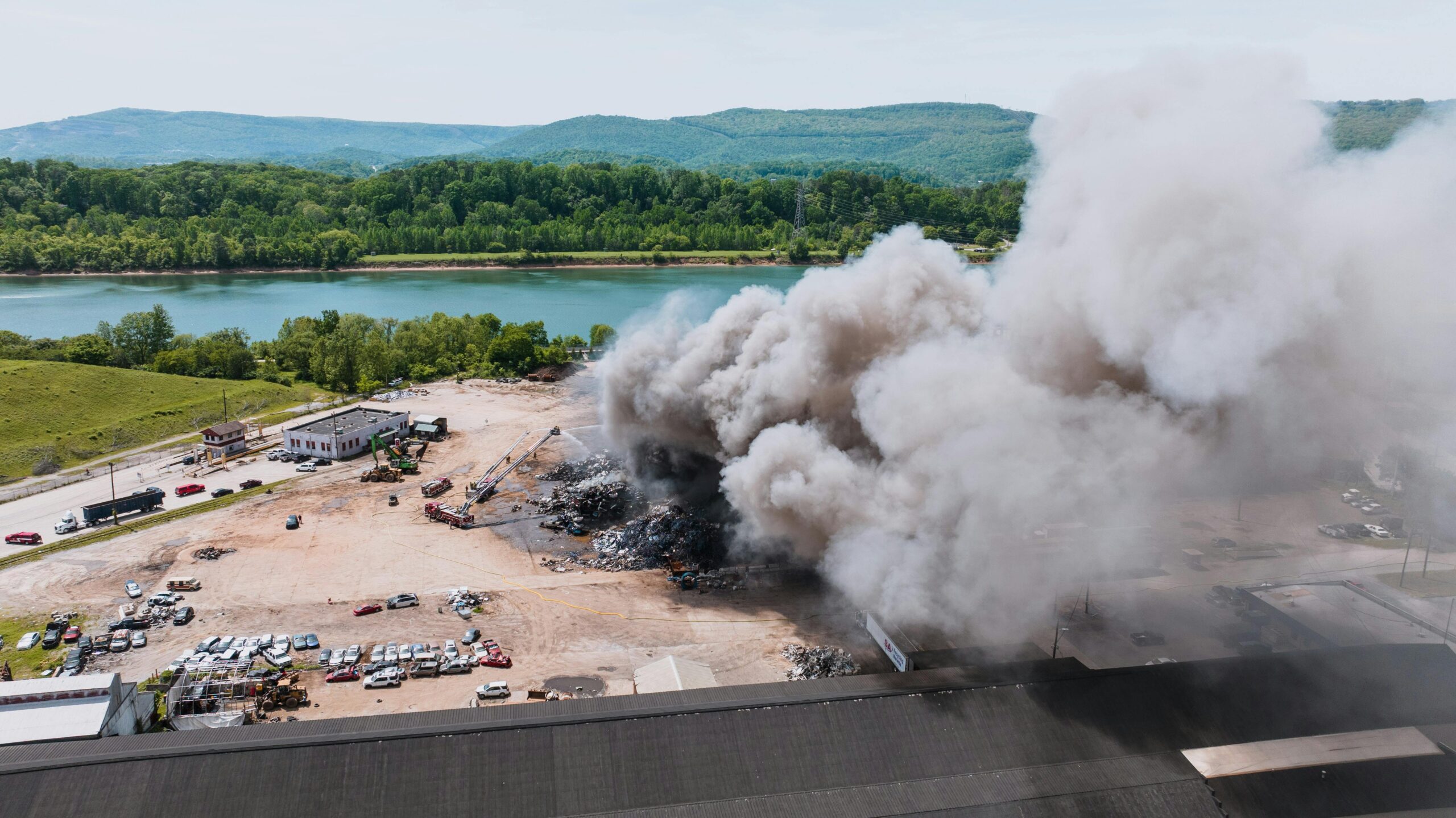
Understanding flame velocity is crucial for optimizing combustion processes across industries, from power generation to automotive engineering, where efficiency directly impacts performance and emissions.

🔥 The Fundamental Nature of Flame Velocity
Flame velocity represents the speed at which a combustion wave propagates through a fuel-air mixture. This critical parameter determines how quickly and efficiently fuel burns, affecting everything from engine performance to industrial furnace operations. The concept goes beyond simple speed measurement—it encompasses the complex interplay of chemical kinetics, thermodynamics, and fluid dynamics that govern combustion processes.
When we discuss flame velocity, we’re actually referring to two distinct concepts: laminar flame speed and turbulent flame speed. Laminar flame speed occurs in smooth, undisturbed flow conditions and represents the fundamental burning rate of a fuel mixture. Turbulent flame speed, on the other hand, occurs in real-world applications where flow disturbances significantly enhance the combustion rate through increased mixing and surface area.
The importance of optimizing flame velocity cannot be overstated. In internal combustion engines, proper flame propagation ensures complete fuel consumption, reducing harmful emissions while maximizing power output. In industrial burners, controlled flame velocity prevents flashback and blowoff conditions that compromise safety and efficiency. Understanding these dynamics allows engineers to design systems that operate at peak performance while maintaining operational stability.
⚙️ Critical Parameters Influencing Flame Propagation
Multiple factors work simultaneously to determine flame velocity in any combustion system. Temperature stands as one of the most influential parameters, as higher initial temperatures accelerate molecular motion and reaction rates. For every 100-degree increase in mixture temperature, flame velocity can increase by 10-20%, significantly impacting combustion efficiency.
Pressure effects on flame velocity follow a more complex relationship. While moderate pressure increases generally enhance flame speed through improved molecular collision rates, extremely high pressures can actually suppress certain reactions. This non-linear behavior requires careful consideration when designing high-pressure combustion systems like gas turbines or direct injection engines.
Fuel Composition and Stoichiometry
The fuel-to-air ratio dramatically affects flame velocity, with peak speeds typically occurring near stoichiometric conditions—the ideal balance where fuel and oxidizer completely react. Deviations toward lean or rich mixtures reduce flame speed, though the relationship varies significantly between fuels. Hydrogen, for instance, maintains relatively high flame speeds across a wider range of mixtures compared to heavier hydrocarbons.
Different fuels exhibit vastly different burning characteristics. Hydrogen leads with laminar flame speeds exceeding 3 meters per second under standard conditions, while methane typically burns at approximately 0.4 meters per second. These differences stem from molecular structure, bond energies, and diffusion properties that affect how quickly combustion chemistry proceeds.
Turbulence Intensity and Flow Dynamics
Turbulence serves as a powerful enhancer of flame velocity in practical applications. Turbulent eddies wrinkle and stretch the flame front, increasing its surface area and accelerating overall consumption rates. The relationship between turbulence intensity and flame speed is so significant that turbulent flames can propagate 10-100 times faster than their laminar counterparts.
However, excessive turbulence can extinguish flames by disrupting the heat recirculation needed to sustain combustion. This delicate balance requires precise control in applications like gas turbine combustors, where high turbulence promotes mixing but must not compromise flame stability.
🎯 Optimizing Flame Velocity for Maximum Efficiency
Achieving optimal flame velocity requires a systematic approach that considers all influencing parameters simultaneously. The goal isn’t simply maximizing speed but finding the sweet spot where combustion completeness, emissions control, and thermal efficiency align. This optimization process differs across applications, requiring tailored strategies for each unique combustion environment.
In reciprocating engines, spark timing and combustion chamber geometry work together to control flame propagation. Central ignition locations minimize flame travel distance, reducing combustion duration and improving thermal efficiency. Squish areas and carefully designed turbulence generation features enhance flame speed without causing knock—the destructive autoignition of unburned mixture ahead of the flame front.
Preheating and Mixture Preparation Strategies
Preheating intake air or fuel-air mixtures increases flame velocity while reducing ignition energy requirements. This technique proves particularly valuable in lean-burn engines and low-grade fuel applications where ignition reliability challenges arise. However, excessive preheating risks premature ignition, requiring careful temperature management systems.
Thorough fuel-air mixing before combustion dramatically improves flame propagation characteristics. Homogeneous mixtures burn more uniformly with higher flame speeds compared to stratified charges where local variations in equivalence ratio create regions of slow or incomplete combustion. Modern direct injection systems employ sophisticated spray patterns and timing strategies to optimize mixing within the limited time available.
Catalytic Enhancement and Additives
Catalytic surfaces can significantly reduce ignition temperatures and accelerate reaction rates, effectively increasing flame velocity. While most commonly associated with catalytic converters for emissions control, catalytic combustion principles apply to various industrial processes where lower operating temperatures or enhanced reaction rates benefit overall efficiency.
Chemical additives offer another avenue for flame velocity manipulation. Certain compounds act as flame speed enhancers by providing free radicals that accelerate chain-branching reactions central to combustion chemistry. However, additive selection must consider emissions impacts and potential equipment compatibility issues before implementation.
📊 Measurement Techniques and Diagnostic Tools
Accurately measuring flame velocity requires sophisticated diagnostic techniques that can resolve combustion phenomena occurring over millisecond timescales. Schlieren photography reveals density gradients associated with flame fronts, allowing visualization of flame structure and propagation patterns. High-speed cameras capture temporal evolution, providing detailed information about flame development and instabilities.
Laser-based diagnostics offer non-intrusive measurement capabilities with excellent spatial and temporal resolution. Particle Image Velocimetry (PIV) tracks flow fields around flames, revealing how aerodynamics influence propagation. Laser Doppler Velocimetry (LDV) provides point measurements of gas velocity, enabling precise flame speed quantification under controlled conditions.
Pressure-based methods infer flame velocity from combustion chamber pressure rise rates in enclosed systems. These techniques, while less direct than optical methods, offer practical advantages for production engine testing and industrial process monitoring where optical access proves challenging. Modern data acquisition systems capture pressure signals with sufficient resolution to extract meaningful flame propagation information.
🏭 Industrial Applications and Real-World Implementation
Power generation facilities leverage flame velocity optimization to maximize thermal efficiency while meeting stringent emissions regulations. Gas turbine combustors employ lean premixed combustion strategies that carefully control flame speed to prevent flashback into the premixer while ensuring complete burnout before the turbine inlet. This balance becomes increasingly difficult at part-load conditions where temperature and pressure variations challenge flame stability.
Industrial furnaces and boilers benefit from flame velocity control through improved heat transfer and reduced excess air requirements. Faster flames shorten combustion zones, allowing more compact equipment designs or increased throughput in existing installations. However, excessively fast flames may create hot spots that damage refractory linings or increase NOx formation, requiring careful optimization.
Automotive Engine Performance Enhancement
Modern automotive engines push flame velocity optimization to achieve demanding fuel economy and emissions targets. Tumble and swirl flows carefully engineered into intake ports generate organized turbulence that accelerates combustion during the power stroke. Variable valve timing systems adjust these flow patterns across engine speeds, maintaining optimal flame propagation characteristics throughout the operating range.
Direct injection gasoline engines face unique flame velocity challenges due to stratified charge combustion modes where fuel distribution varies significantly within the cylinder. Precise injection timing and spray targeting create ignitable mixtures near the spark plug while maintaining overall lean conditions. The flame must propagate reliably through these heterogeneous charge distributions despite locally varying equivalence ratios and temperatures.
Aerospace and Rocket Propulsion Systems
Aerospace applications demand extreme reliability alongside maximum performance, making flame velocity control critical. Jet engine combustors must maintain stable flames across altitude ranges where atmospheric pressure varies by orders of magnitude. Flame holders and sophisticated fuel staging strategies ensure reliable ignition and propagation despite these challenging conditions.
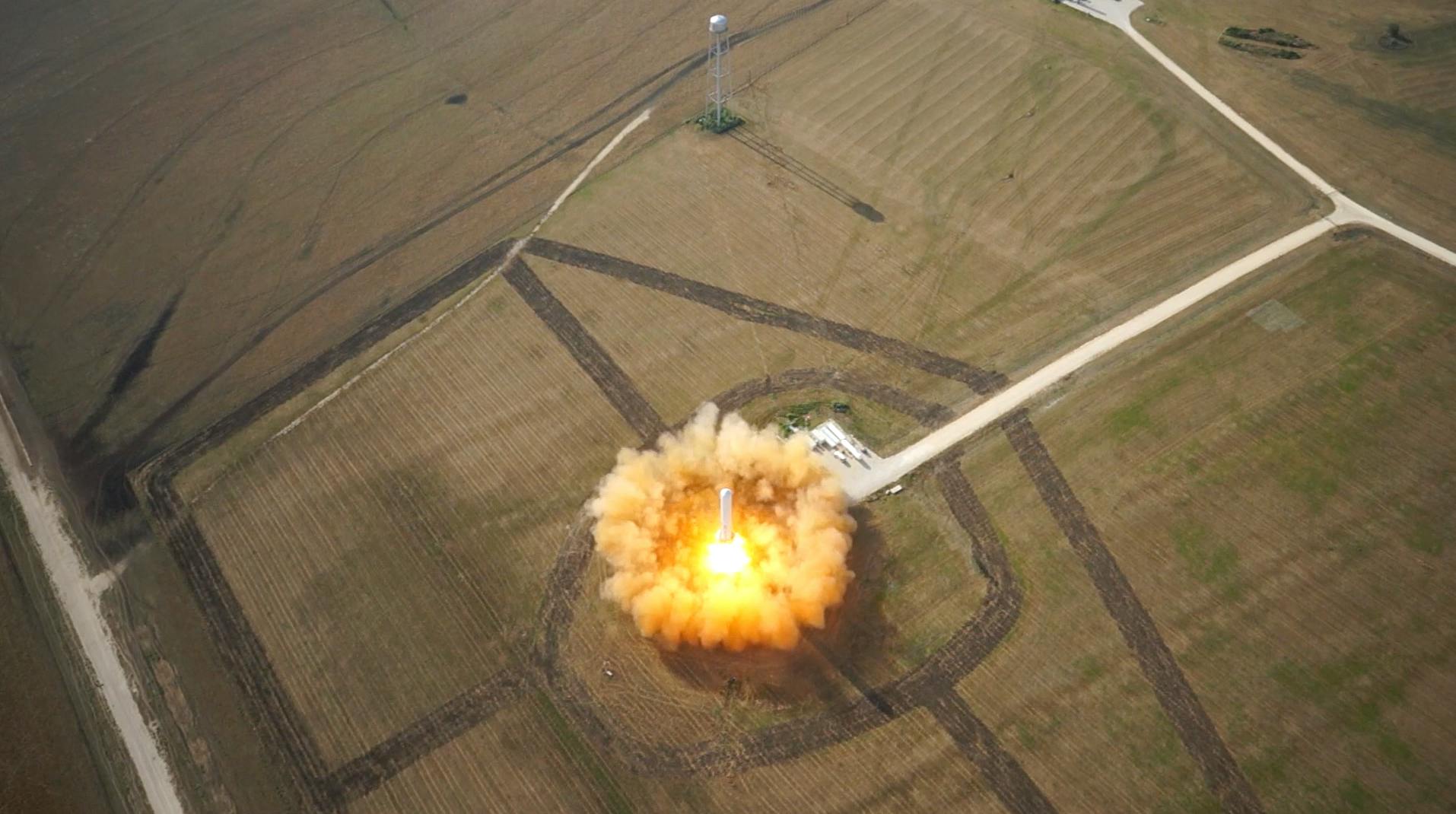
Rocket engines burning liquid propellants achieve extraordinarily high flame velocities through extreme pressures and temperatures. Injector design critically affects mixing and flame stabilization in these intense environments. Computational fluid dynamics simulations guide optimization efforts, though experimental validation remains essential due to the complex physics involved.
🌍 Environmental Considerations and Emissions Control
Flame velocity optimization directly impacts pollutant formation in combustion systems. Nitrogen oxide (NOx) emissions increase with peak flame temperatures, creating tension between efficiency goals and emissions requirements. Faster flames reduce combustion duration, potentially lowering heat losses but concentrating heat release that elevates local temperatures. Balancing these competing factors requires sophisticated control strategies.
Carbon monoxide and unburned hydrocarbon emissions indicate incomplete combustion often associated with insufficient flame velocity or propagation failures. Ensuring adequate flame speed throughout the combustion chamber eliminates pockets of unburned mixture that would otherwise pass through the system unreacted. This completeness becomes especially critical during transient operations where conditions rapidly change.
Particulate matter formation in diffusion flames relates closely to local flame structure and reaction zone characteristics. Faster mixing and higher flame velocities generally reduce soot formation by limiting residence time in fuel-rich regions where carbonaceous particles nucleate and grow. Premixed combustion strategies leveraging optimized flame velocities offer significant advantages for particulate reduction.
🔬 Advanced Simulation and Computational Approaches
Computational fluid dynamics (CFD) has revolutionized flame velocity analysis by enabling detailed examination of combustion phenomena impossible to measure experimentally. Modern simulations resolve individual chemical reactions across three-dimensional flow fields, predicting flame behavior under conditions ranging from normal operation to extreme off-design scenarios.
Direct numerical simulation (DNS) represents the most detailed computational approach, resolving all relevant length and time scales of turbulent combustion. While computationally expensive and limited to relatively simple geometries, DNS provides invaluable insights into fundamental flame-turbulence interactions that inform simpler modeling approaches applicable to practical design problems.
Large eddy simulation (LES) bridges the gap between DNS and practical engineering applications by directly resolving large-scale turbulent structures while modeling smaller scales. This approach captures the dominant flow features affecting flame propagation with reasonable computational costs, making it increasingly popular for industrial combustor design and optimization efforts.
💡 Future Developments and Emerging Technologies
Alternative fuels present new flame velocity challenges and opportunities as industries transition toward sustainable energy sources. Hydrogen combustion, with its high reactivity and wide flammability limits, requires fundamentally different approaches to flame control compared to traditional hydrocarbons. Its extremely high flame speed necessitates careful attention to flashback prevention and combustion stability.
Ammonia emerges as another promising carbon-free fuel, though its relatively low flame velocity and narrow flammability range create technical hurdles. Blending strategies combining ammonia with more reactive fuels offer one pathway forward, leveraging the higher flame speeds of additives to stabilize overall combustion while maintaining the emissions benefits of ammonia’s nitrogen-based chemistry.
Plasma-assisted combustion represents a frontier technology where electrical discharges enhance flame velocity and stability. By generating reactive species and adding energy directly to the combustion zone, plasma systems enable operation with leaner mixtures or lower-quality fuels. This technology shows particular promise for challenging applications like high-altitude aircraft engines or low-temperature industrial processes.
🎓 Practical Guidelines for Implementation
Successful flame velocity optimization begins with thorough characterization of existing combustion systems. Baseline measurements establish current performance and identify limiting factors preventing further improvement. Pressure analysis, emissions monitoring, and thermal efficiency calculations together reveal whether flame propagation issues constrain overall system performance.
Incremental changes with careful documentation ensure improvements can be reproduced and refined. Varying one parameter at a time while monitoring multiple outputs reveals cause-effect relationships essential for optimization. Modern design of experiments approaches accelerate this process by efficiently exploring multidimensional parameter spaces with fewer test runs than traditional one-factor-at-a-time methods.
Safety considerations must never be compromised in pursuit of performance gains. Faster flames increase risks of flashback, autoignition, and pressure oscillations that threaten equipment integrity. Comprehensive safety analyses including failure mode effects analysis (FMEA) ensure optimization efforts enhance rather than compromise operational reliability.
🚀 Maximizing Returns Through Systematic Optimization
The journey toward optimal flame velocity requires patience and systematic methodology. Quick fixes rarely deliver lasting improvements in complex combustion systems where multiple phenomena interact. Building fundamental understanding through measurement, analysis, and validated modeling creates the foundation for sustainable performance gains.
Cross-functional collaboration between combustion engineers, control system specialists, and operations personnel ensures optimization efforts address real constraints and opportunities. Academic research provides theoretical insights, while practical experience reveals implementation challenges and opportunities not apparent from first principles alone. This combination of perspectives accelerates progress toward maximum efficiency.
Continuous monitoring and adaptive control systems maintain optimal performance as conditions evolve. Fuel properties vary, equipment degrades, and operating requirements change over time. Control strategies that automatically adjust operating parameters to maintain target flame velocities preserve efficiency gains achieved through initial optimization efforts.
The power unleashed through flame velocity optimization extends far beyond immediate efficiency improvements. Reduced fuel consumption translates directly to lower operating costs and decreased environmental impact. Enhanced reliability and reduced maintenance stem from operating combustion systems within their optimal performance envelopes. These compounding benefits justify the investment required for thorough flame velocity analysis and optimization across virtually any combustion application. Whether designing next-generation propulsion systems or upgrading existing industrial processes, understanding and controlling flame velocity remains fundamental to achieving maximum efficiency, minimal emissions, and reliable operation.