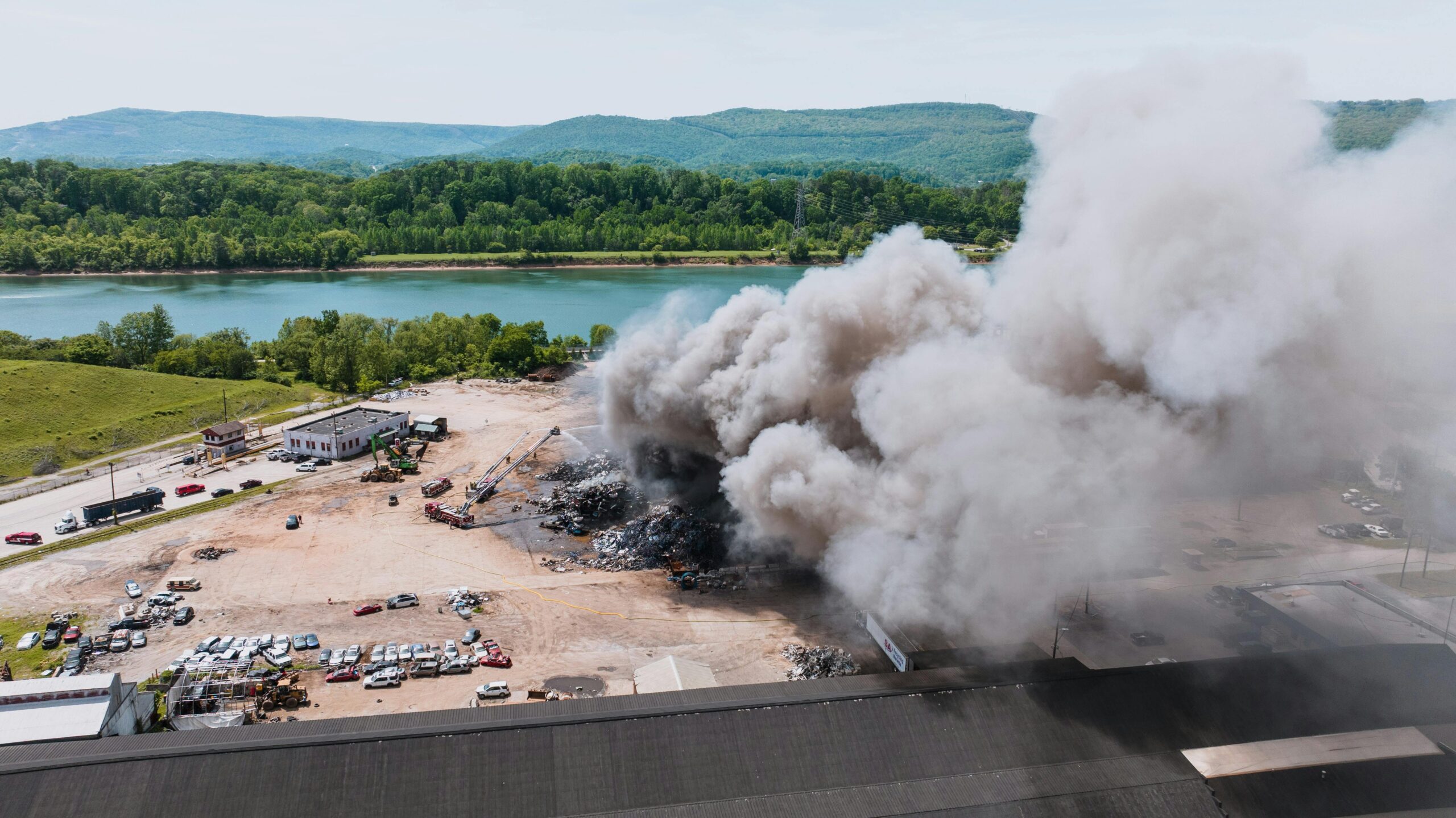
Fire safety depends on understanding the critical factors that accelerate flame spread, especially slope and wind—two forces that can turn a small fire into a catastrophic event.

🔥 The Hidden Dangers: Why Slope and Wind Matter in Fire Behavior
When firefighters assess wildfire risks or building safety experts evaluate evacuation protocols, they focus intensely on two environmental variables: terrain slope and wind patterns. These elements don’t just influence fire behavior—they fundamentally transform how quickly flames advance, how intensely they burn, and whether emergency responders can safely contain them.
Understanding the relationship between slope, wind, and flame spread speed isn’t merely academic knowledge. It represents the difference between successful fire suppression and devastating loss. Property owners, emergency planners, outdoor enthusiasts, and safety professionals all benefit from comprehending these dynamics.
The physics behind fire spread involves complex interactions between heat transfer, oxygen availability, and fuel arrangement. When slope and wind enter the equation, they create multiplier effects that can increase flame spread rates by factors of ten or more within minutes.
The Science Behind Slope-Driven Fire Acceleration
Slope affects fire behavior through several interconnected mechanisms. When flames burn uphill, they naturally preheat unburned fuel ahead of the fire front. This preheating occurs because heat rises, and on an incline, rising heat directly contacts vegetation or materials positioned higher on the slope.
The steeper the slope, the closer flames get to unburned fuel above them. On flat ground, flames must radiate heat horizontally or rely on ember transport to ignite new fuel. On a slope, flames can literally reach upward and touch new fuel sources, dramatically reducing ignition time.
Quantifying the Slope Effect
Research in fire behavior has established measurable relationships between slope angle and fire spread rate. For every 10-degree increase in slope angle, fire spread rates can double or even triple under certain conditions. A fire burning on a 30-degree slope may advance ten times faster than the same fire on level ground.
This exponential relationship creates particularly dangerous situations in mountainous terrain, canyon systems, and hillside developments. Areas with slopes exceeding 30 degrees represent extreme fire hazard zones where conventional firefighting tactics often prove ineffective.
The chimney effect amplifies these dangers in narrow valleys and canyons. When fire burns upslope in a confined area, heated air cannot dissipate laterally. Instead, it concentrates and accelerates upward, creating draft conditions similar to a fireplace chimney—hence the name.
Wind’s Multiplying Effect on Flame Spread Velocity
While slope creates vertical advantages for fire spread, wind provides horizontal momentum. Wind supplies fresh oxygen to combustion zones, tilts flames toward unburned fuel, and transports burning embers across firebreaks and other barriers.
Even moderate winds of 10-15 mph significantly increase fire spread rates. Strong winds exceeding 25 mph can render fires virtually uncontrollable, especially when combined with dry conditions and abundant fuel. Wind-driven fires have caused some of history’s most destructive urban conflagrations and wildland disasters.
Wind Patterns and Fire Behavior Prediction
Understanding local wind patterns proves essential for fire safety planning. Topography influences wind behavior, creating predictable patterns in many landscapes. Daytime heating generates upslope winds, while nighttime cooling produces downslope air movement.
Canyon systems funnel winds, increasing velocities beyond regional averages. Ridge tops experience stronger, more variable winds than protected valleys. Coastal areas face sea breezes that shift direction predictably throughout the day.
Fire safety professionals use this knowledge to predict fire behavior windows. The transition periods when winds shift direction—typically dawn and dusk—present both opportunities for fire suppression and risks of unexpected fire behavior.
⚠️ The Deadly Combination: When Slope and Wind Align
The most dangerous fire behavior occurs when strong winds blow upslope. This alignment creates additive effects where both factors simultaneously accelerate flame spread. Fires burning upslope with wind assistance can advance at rates exceeding 10 mph in extreme cases—faster than humans can run, especially through rough terrain.
This combination has contributed to numerous firefighter fatalities and civilian casualties. The Mann Gulch Fire of 1949, the South Canyon Fire of 1994, and countless other tragedies occurred when slope and wind combined to create explosive fire runs that trapped personnel.
Recognizing Warning Signs
Several observable indicators suggest dangerous slope-wind fire conditions:
- Flames tilting sharply forward and upward simultaneously
- Rapid increase in fire intensity and rate of spread
- Spotting (ember transport) occurring ahead of the main fire
- Difficulty hearing communication due to fire roar
- Smoke column bending and accelerating upslope
When these signs appear, immediate evacuation from the fire’s path becomes the only safe response. Attempting to fight or outmaneuver such fires typically ends in disaster.
Practical Fire Safety Strategies for Slope and Wind Conditions
Property owners in wildfire-prone areas must account for local slope and prevailing wind patterns when implementing defensive measures. Homes positioned on slopes face elevated risks requiring enhanced protection strategies.
Creating defensible space around structures gains even greater importance on slopes. The standard 100-foot clearance recommendation increases to 200 feet or more on steep slopes, particularly on the upslope side where fire will advance most rapidly.
Landscape Design for Slope Fire Safety
Strategic landscaping can reduce slope-related fire risks. Low-growing, high-moisture plants create better fire barriers than tall, dry vegetation. Breaking up continuous fuel beds with rock gardens, patios, and driveways interrupts fire progression.
Vegetation density matters tremendously on slopes. Crowded plantings create fuel ladders that allow ground fires to climb into tree canopies. Proper spacing between plants prevents this vertical fire spread while maintaining aesthetically pleasing landscapes.
Irrigation systems gain importance on slopes where water naturally drains downhill. Maintaining green, hydrated vegetation during fire season provides crucial protection when conditions favor rapid fire spread.
📊 Understanding Fire Spread Rate Calculations
Fire behavior analysts use mathematical models to predict spread rates based on slope, wind, fuel type, and moisture content. While complex, the basic principles help property owners assess their risks.
The Rothermel fire spread model, widely used in North America, incorporates slope angle and wind speed as primary variables. This model helps predict fire behavior under varying conditions, informing evacuation decisions and firefighting strategies.
Factors Influencing Spread Rate Calculations
Several variables interact with slope and wind to determine actual fire spread rates:
- Fuel moisture content—dry fuels ignite faster
- Fuel type and arrangement—fine fuels burn more rapidly than heavy logs
- Air temperature and humidity—hot, dry conditions accelerate combustion
- Fuel continuity—connected fuel beds support sustained spread
A fire burning in dry grass on a steep slope with strong winds can advance at 5-10 mph. The same fire in moist timber on flat ground with no wind might spread at 1 foot per minute or slower—a difference of fifty-fold or more.
Emergency Response Considerations for Variable Terrain
Firefighters adjust tactics significantly based on slope and wind conditions. Standard attack methods used on flat ground become suicidal on steep slopes with adverse winds. Understanding these limitations helps civilians appreciate why firefighters sometimes choose to protect structures rather than directly engage advancing flames.
Aerial firefighting resources gain importance in steep terrain where ground crews cannot safely operate. Helicopters and fixed-wing aircraft can deliver water and retardant without exposing personnel to extreme fire behavior.
Evacuation Planning for Sloped Terrain
Communities in hilly or mountainous areas need evacuation plans that account for slope-driven fire behavior. Routes must allow residents to move away from likely fire advancement directions—typically downslope and perpendicular to prevailing winds.
Evacuation timing becomes critical on slopes. The rapid spread rates possible when slope and wind align leave little margin for delayed decisions. Many fire-prone jurisdictions now use tiered evacuation warnings that give residents maximum time to leave safely.
Secondary evacuation routes provide essential backup options when primary roads become blocked. In sloped terrain, having multiple exit paths in different directions can mean the difference between escape and entrapment.
🌲 Wildland-Urban Interface: Where Slope Risks Meet Development
The expanding wildland-urban interface places more homes and businesses in areas where slope and wind dramatically influence fire behavior. Communities built on hillsides for views and privacy face heightened fire risks that require comprehensive mitigation approaches.
Building codes in fire-prone areas increasingly mandate fire-resistant construction materials, especially for structures on slopes. Ember-resistant vents, non-combustible roofing, and fire-rated windows provide protection when radiant heat and flying embers accompany approaching fires.
Community-Level Mitigation Strategies
Effective fire protection in sloped terrain requires coordinated community action. Individual property owners cannot create safety in isolation when fire can rapidly advance through neighboring parcels.
Fuel reduction projects that reduce vegetation density across entire hillsides provide broader protection than scattered individual efforts. These projects create landscape-scale fire breaks that slow fire advancement even under adverse conditions.
Community fire planning must identify critical infrastructure vulnerable to slope-driven fires. Water systems, power lines, and communication facilities located on slopes need enhanced protection to maintain emergency services during fire events.
Climate Change and Evolving Fire Behavior Patterns
Climate change is altering traditional fire seasons and behavior patterns. Extended drought periods create conditions where slope and wind effects become more pronounced due to extremely dry fuels. Weather patterns are generating stronger, more erratic winds that complicate fire prediction and suppression.
Fire seasons now extend year-round in many regions previously experiencing distinct fire and non-fire periods. This expansion means slope and wind factors remain relevant threats throughout the year rather than just during traditional summer fire seasons.
Adapting Safety Practices to Changing Conditions
Fire safety practices must evolve alongside changing fire behavior. Historical fire patterns no longer reliably predict future risks. Areas previously considered low-risk now experience significant fire threats due to altered precipitation patterns and vegetation changes.
Continuous monitoring of local conditions becomes essential rather than seasonal vigilance. Weather stations, satellite imagery, and fire danger rating systems provide real-time information about when slope and wind conditions create elevated fire spread risks.
Technology and Fire Behavior Monitoring
Modern technology enables unprecedented fire monitoring capabilities. Weather stations positioned throughout fire-prone landscapes measure wind speed, direction, temperature, and humidity at fine scales. This data feeds into fire behavior prediction models that forecast spread rates under current conditions.
Remote sensing technology detects fires in their earliest stages, often before human observers notice them. Rapid detection allows suppression resources to engage fires while they remain small and before slope and wind effects amplify their behavior.
Geographic information systems (GIS) map slope angles, vegetation types, and development patterns to identify areas facing greatest risks. This spatial analysis guides mitigation priorities and resource allocation decisions.
🎯 Personal Preparedness: Taking Action Today
Individual property owners can implement numerous measures to reduce vulnerability to slope and wind-driven fires. These actions require initial investment but provide lasting protection and peace of mind.
Begin by assessing your property’s specific risks. Note the slope angle, identify prevailing wind directions during fire season, and map potential fire approach paths. This assessment reveals where to focus mitigation efforts for maximum benefit.
Create and maintain defensible space appropriate for your slope angle. Remove dead vegetation, thin living plants, and eliminate fuel ladders that connect ground vegetation to tree canopies. Focus especially on the upslope side of structures where fire will advance most rapidly.
Develop and practice evacuation plans that account for likely fire behavior. Know multiple routes away from your property and establish communication plans with family members. Prepare emergency kits in advance rather than gathering supplies during crisis situations.
Stay informed about local fire conditions throughout fire season. Sign up for emergency alerts, monitor fire danger ratings, and pay attention to red flag warnings indicating critical fire weather conditions.

Building Resilient Communities Through Shared Knowledge
Fire safety succeeds best as a community effort. Sharing knowledge about slope and wind effects on fire behavior helps neighbors protect themselves and each other. Community education programs that demonstrate these principles build collective resilience against fire threats.
Neighborhood fire planning groups coordinate mitigation activities and emergency response. These organizations ensure that the most vulnerable community members—elderly residents, those with disabilities, and families with young children—receive assistance during evacuations.
Regular community fire drills practice evacuation procedures and identify gaps in planning. These exercises reveal logistical challenges before actual emergencies and build familiarity with evacuation routes and assembly areas.
Maximizing fire safety in areas where slope and wind influence fire behavior requires understanding the science behind flame spread, implementing appropriate mitigation measures, and maintaining constant vigilance during fire season. The physics of fire spread on slopes and in wind may seem complex, but the practical implications are clear: these factors dramatically increase fire danger and demand enhanced protection strategies.
Property owners, communities, and emergency responders who respect the power of slope and wind to accelerate fire spread position themselves to survive fire events that might otherwise prove catastrophic. Through education, preparation, and coordinated action, we can coexist more safely with fire in landscapes where topography and weather create challenging conditions.
The investment in understanding and addressing these factors pays dividends in preserved lives, protected property, and resilient communities capable of recovering from fire events when they occur. Fire will always pose risks in many landscapes, but informed, prepared communities can minimize those risks and maximize their chances of survival when flames approach.