The intersection of public safety and personal privacy is reshaping how we monitor smoking in shared spaces, creating innovative solutions that protect both community health and individual rights.

🔍 The Evolution of Smoke Detection Technology
Traditional smoke detectors have served us well for decades, but they were designed primarily to detect fires, not to monitor compliance with smoking regulations in public areas. As societies worldwide implement stricter smoking bans in restaurants, hotels, schools, airports, and other communal spaces, the need for sophisticated monitoring systems has grown exponentially.
Modern smoke monitoring technology has evolved far beyond simple particle detection. Today’s systems incorporate advanced sensors capable of distinguishing between different types of smoke, identifying vaping aerosols, and even detecting marijuana use. These intelligent devices can trigger alerts, record incidents, and provide data analytics to facility managers without compromising the privacy of individuals in monitored spaces.
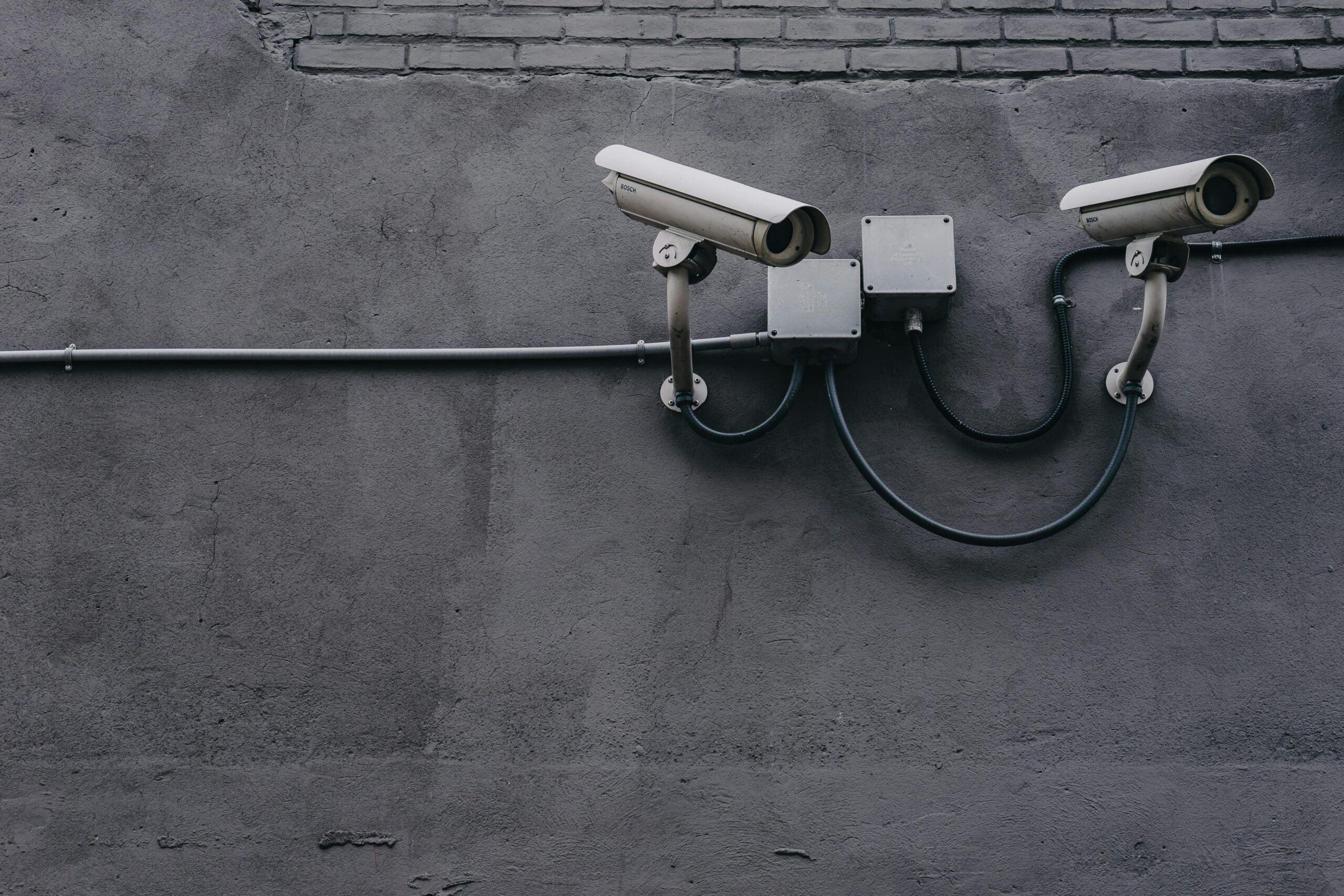
The challenge has always been balancing effective enforcement with respect for privacy. Early attempts at smoking monitoring often involved surveillance cameras, which raised significant concerns about constant observation and data collection. The future lies in privacy-safe technologies that achieve compliance goals without intrusive surveillance methods.
🛡️ Privacy-First Approaches to Smoke Monitoring
Privacy-safe smoke monitoring represents a paradigm shift in how we approach compliance in public spaces. Unlike camera-based systems that capture visual information about individuals, modern smoke detection devices focus exclusively on air quality parameters. These systems analyze chemical signatures in the air without recording images, voices, or personally identifiable information.
Advanced particulate matter sensors can detect smoke particles with remarkable precision. When integrated with machine learning algorithms, these sensors can differentiate between cigarette smoke, vaping emissions, cooking fumes, and other airborne particles. This specificity reduces false alarms while maintaining accurate detection of policy violations.
The privacy advantage is clear: building managers and security personnel receive alerts about smoking incidents without any visual record of who committed the violation. This approach respects individual privacy while still enabling enforcement through physical response when alerts are triggered.
Core Components of Privacy-Safe Systems
Modern smoke monitoring solutions typically incorporate several key technological components working in harmony:
- Multi-spectrum sensors: Detecting various particle sizes and chemical compounds associated with different smoke types
- Edge computing: Processing data locally on the device rather than transmitting raw information to cloud servers
- Anonymized alerts: Generating notifications that specify location and time without identifying individuals
- Minimal data retention: Storing only necessary information for compliance documentation, automatically deleting older records
- Encrypted communications: Protecting alert data during transmission to authorized personnel
🏢 Implementation Across Different Public Venues
The application of privacy-safe smoke monitoring varies significantly depending on the venue type, regulatory requirements, and specific challenges each environment presents.
Hotels and Hospitality Spaces
Hotels face unique challenges with smoking enforcement. Guest rooms are private spaces where monitoring must be especially sensitive to privacy concerns. Modern smoke detectors in hotel rooms can alert maintenance staff to smoking violations without recording any guest activity. This enables properties to enforce non-smoking policies and assess cleaning fees when appropriate, all while respecting guest privacy.
The financial implications are substantial. Hotels spend considerable resources on deep cleaning rooms where guests have smoked, with remediation costs often exceeding several hundred dollars per incident. Effective monitoring helps prevent these violations through deterrence while documenting incidents when they occur.
Educational Institutions
Schools and universities have embraced smoke monitoring technology to address both traditional cigarette use and the growing concern of vaping among students. Restrooms, locker rooms, and other areas where visual surveillance would be inappropriate are ideal locations for air-quality-based monitoring systems.
These systems support wellness initiatives by identifying problem areas and times when violations occur most frequently. Educational institutions can then deploy resources effectively, whether through increased staff presence, educational programs, or targeted interventions. The privacy-safe nature of these systems is crucial in environments serving minors, where surveillance concerns are heightened.
Healthcare Facilities
Hospitals and medical centers maintain strict no-smoking policies for obvious health and safety reasons. Oxygen-rich environments create fire hazards, while secondhand smoke poses risks to patients with respiratory conditions. Privacy-safe smoke monitoring in restrooms, stairwells, and other secluded areas helps maintain these critical policies without invasive surveillance.
Healthcare facilities also benefit from monitoring systems that can detect vaping, which has become increasingly problematic as devices become smaller and easier to conceal. The discrete nature of modern vaping makes visual detection nearly impossible, but chemical sensors can identify the distinctive aerosols these devices produce.
📊 Data Analytics and Predictive Intelligence
Beyond simple detection, modern smoke monitoring systems generate valuable data that helps organizations optimize their policies and interventions. Aggregated, anonymized data reveals patterns in smoking behavior across different times, locations, and conditions.
Facility managers can identify high-risk areas requiring additional signage, staffing, or environmental modifications. Trend analysis might reveal that violations increase during specific shifts, after certain events, or in particular weather conditions. This intelligence enables proactive rather than reactive management strategies.
The key to maintaining privacy in data analytics is aggregation and anonymization. Individual incidents should never be tied to specific people, and reporting should focus on patterns rather than isolated events. When implemented correctly, analytics provide actionable insights while preserving individual privacy rights.
⚖️ Legal and Regulatory Considerations
The legal landscape surrounding monitoring in public spaces varies significantly across jurisdictions. Privacy-safe smoke monitoring systems generally face fewer regulatory hurdles than camera-based surveillance, but organizations must still navigate complex legal requirements.
In the European Union, GDPR regulations establish strict guidelines for any technology that could potentially process personal data. Even though privacy-safe smoke detectors typically don’t collect personal information, organizations must conduct privacy impact assessments and ensure compliance with data minimization principles.
North American jurisdictions have varying regulations at federal, state, and local levels. Some regions require disclosure signage informing people that air quality monitoring is in place, while others have no specific requirements for non-camera monitoring systems. Legal counsel should review implementation plans to ensure compliance with applicable laws.
Transparency and Consent
Even when not legally required, transparency about monitoring systems builds trust and demonstrates respect for privacy. Clear signage explaining that air quality monitoring is active—without recording images or personal information—helps people understand that their privacy is protected while policy compliance is enforced.
This transparency also serves a deterrent function. When people know that smoking will be detected, they’re more likely to comply with policies, reducing violations and the need for enforcement actions.
🚀 Emerging Technologies Shaping the Future
The future of privacy-safe smoke monitoring will be shaped by several emerging technological trends that promise even greater effectiveness and privacy protection.
Artificial Intelligence and Machine Learning
AI algorithms are becoming increasingly sophisticated at distinguishing between different types of airborne particles. Future systems will achieve near-perfect accuracy in identifying specific substances while virtually eliminating false positives from cooking, cleaning products, or other common sources of airborne particles.
Machine learning also enables predictive capabilities, identifying environmental conditions or patterns that precede violations. This could allow systems to send preemptive reminders or alerts before violations occur, shifting from reactive detection to proactive prevention.
Integration with Building Management Systems
Smoke monitoring systems are increasingly integrated with comprehensive building management platforms that control HVAC, lighting, security, and other building functions. This integration enables coordinated responses to detected smoke, such as automatically increasing ventilation in affected areas or alerting nearby security personnel.
Connected building systems also provide richer contextual data for analytics. Understanding how smoking incidents correlate with building occupancy, temperature settings, or other variables enables more nuanced policy approaches.
Blockchain for Data Integrity
Blockchain technology offers potential solutions for maintaining tamper-proof records of monitoring data while preserving privacy. Incident records stored on blockchain networks create verifiable audit trails useful for compliance documentation, insurance claims, or dispute resolution, all without exposing personal information.
This technology could be particularly valuable in regulated industries where compliance documentation is critical but privacy concerns limit traditional surveillance approaches.
💡 Best Practices for Implementation
Organizations considering privacy-safe smoke monitoring systems should follow established best practices to maximize effectiveness while protecting privacy rights.
Begin with a clear assessment of your specific needs and challenges. What areas require monitoring? What types of smoking violations are most common? What are your enforcement goals? Understanding these factors helps select appropriate technology and implementation strategies.
Engage stakeholders throughout the process, including employees, guests, or other affected parties. Gather input about privacy concerns and explain how the chosen system addresses these concerns. This engagement builds buy-in and reduces resistance to monitoring implementation.
Develop clear policies about how monitoring data will be used, who has access, and how long information is retained. Document these policies and make them accessible to anyone subject to monitoring. Regular audits should verify that practices align with stated policies.
Provide training for personnel who will respond to alerts. They should understand both the technical aspects of the system and the privacy protections built into it. Response protocols should respect individual dignity even when addressing policy violations.
🌍 Global Perspectives on Public Health and Privacy
Different cultures and regions balance public health concerns with privacy rights in varying ways, influencing how smoke monitoring technologies are deployed and accepted worldwide.
Asian countries often prioritize collective public health benefits, leading to broader acceptance of monitoring technologies in public spaces. However, even in these contexts, privacy-safe approaches that avoid visual surveillance are preferred when available.
European nations typically place high value on privacy rights, making privacy-safe smoke monitoring particularly appealing. The GDPR framework has influenced technology development, pushing manufacturers to build privacy protections into system design rather than adding them as afterthoughts.
North American approaches vary considerably, with some regions embracing monitoring technologies enthusiastically while others maintain skepticism about any form of surveillance. Privacy-safe systems that clearly differentiate themselves from visual surveillance face less resistance and regulatory scrutiny.
🎯 Measuring Success and Continuous Improvement
The effectiveness of smoke monitoring systems should be evaluated through multiple metrics beyond simple violation detection rates. Comprehensive assessment considers policy compliance, cost savings, user satisfaction, and privacy protection.
Track both the number of violations detected and trends over time. Effective systems should show declining violation rates as deterrence takes effect. If violations remain constant or increase, investigate whether the system is properly calibrated, whether policies need adjustment, or whether additional interventions are necessary.
Financial metrics matter significantly, particularly in commercial settings. Calculate returns on investment by comparing installation and operational costs against savings from reduced cleaning expenses, lower insurance premiums, improved air quality, and enhanced compliance with regulations.
Regularly solicit feedback from people subject to monitoring. Are privacy concerns adequately addressed? Do people feel the monitoring is fair and reasonable? This feedback helps identify areas for improvement and demonstrates organizational commitment to balancing safety with privacy.
🔮 Vision for Tomorrow’s Public Spaces
The future of public spaces will be shaped by technologies that protect health and safety while respecting individual privacy. Privacy-safe smoke monitoring represents one element of this broader evolution toward intelligent, responsive environments that serve collective interests without compromising personal rights.
We can envision public spaces where air quality is continuously optimized, where policy violations are prevented rather than detected, and where people feel both safe and respected. These environments will rely on sophisticated sensors and intelligent systems that operate transparently, collecting only necessary information and processing it in privacy-preserving ways.
The technology exists today to create these spaces. What’s required is thoughtful implementation guided by principles of privacy by design, transparent communication, and genuine commitment to balancing competing interests. Organizations that embrace these principles will lead the way in creating public spaces that are both healthier and more respectful of individual rights.
As smoking regulations continue evolving and new products like vaping devices present fresh challenges, monitoring technologies must adapt while maintaining privacy protections. The most successful solutions will be those that remain flexible, that incorporate new detection capabilities without expanding surveillance, and that continue prioritizing privacy even as technical capabilities expand.
Privacy-safe smoke monitoring isn’t just about compliance—it’s about creating environments where everyone can breathe easier, both literally and figuratively. By detecting violations without violating privacy, these systems demonstrate that public health and personal rights need not be opposing forces. They can instead work in harmony, each strengthening the other in service of healthier, more respectful communities.