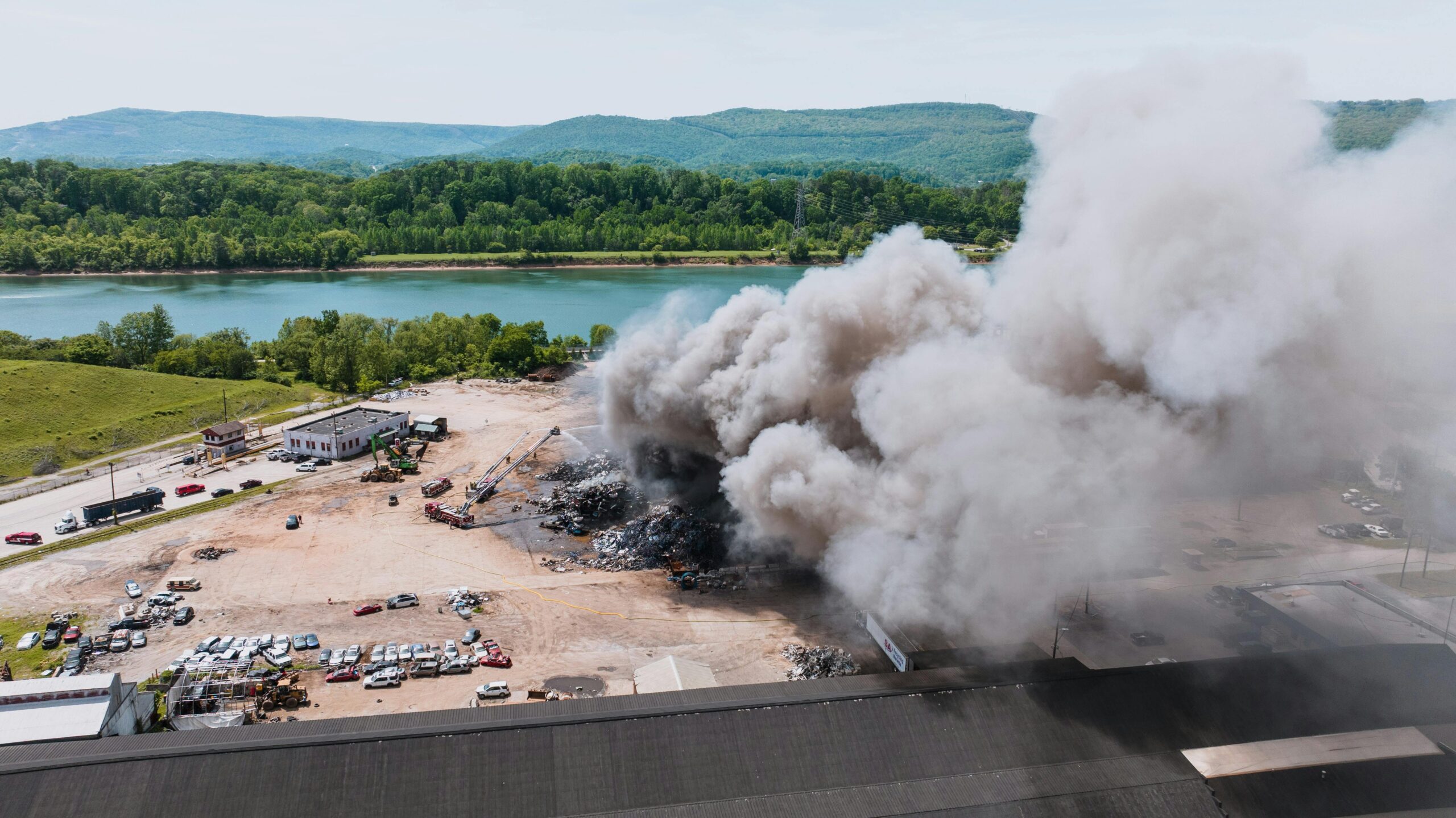
Urban environments face unprecedented challenges in fire safety, where early smoke detection can mean the difference between a minor incident and a catastrophic disaster affecting thousands.

🌆 The Growing Challenge of Urban Fire Safety
Modern cities are constantly evolving landscapes where millions of people live, work, and interact within densely populated spaces. The complexity of these environments creates unique challenges for fire detection and prevention systems. Traditional smoke detectors, while effective in controlled indoor environments, often struggle to provide reliable coverage in the dynamic conditions of urban settings.
High-rise buildings, underground transportation systems, crowded marketplaces, and industrial zones all require sophisticated monitoring solutions. The consequences of delayed smoke detection in these areas can be devastating, not only in terms of property damage but also in human casualties and economic disruption.
Recent technological advances have paved the way for next-generation smoke detection systems that can operate effectively in challenging urban conditions. These “smoke sentries” combine multiple sensing technologies, artificial intelligence, and networked communication to provide comprehensive protection across complex urban infrastructures.
🔬 Understanding the Science Behind Advanced Smoke Detection
Traditional smoke detectors typically rely on two primary technologies: ionization and photoelectric sensors. While these methods work well in residential settings, they have limitations in busy urban environments where air quality fluctuations, dust, humidity, and other factors can trigger false alarms or delay detection.
Multi-Spectrum Optical Sensing
Advanced smoke detection systems now employ multi-spectrum optical sensors that can differentiate between various types of particles in the air. By analyzing light scattering patterns across different wavelengths, these sensors can distinguish actual smoke from steam, dust, or other common urban particulates that might confuse conventional detectors.
This technology significantly reduces false alarms while maintaining high sensitivity to actual fire threats. The system can identify the specific characteristics of combustion particles, including their size distribution and optical properties, providing more accurate threat assessment.
Thermal Imaging Integration
Modern smoke sentries incorporate thermal imaging cameras that can detect heat signatures associated with fires before visible smoke reaches detector locations. This multi-modal approach combines visual smoke detection with thermal anomaly identification, creating a more robust early warning system.
In busy urban environments where visual obstruction is common, thermal sensors provide an additional layer of protection. They can identify heat sources through smoke, fog, or darkness, ensuring continuous monitoring regardless of atmospheric conditions.
🤖 Artificial Intelligence: The Brain Behind Smart Detection
The integration of artificial intelligence and machine learning algorithms represents the most significant advancement in smoke detection technology. These systems learn from millions of data points to recognize patterns associated with different types of fires and environmental conditions.
Pattern Recognition and Predictive Analysis
AI-powered smoke detection systems analyze multiple data streams simultaneously, including visual imagery, thermal signatures, air quality measurements, and environmental parameters. Machine learning algorithms process this information to identify subtle indicators that might escape traditional detection methods.
These systems can predict fire development patterns based on historical data and current conditions. By recognizing early-stage combustion characteristics, they provide earlier warnings and more accurate threat assessments than conventional detectors.
False Alarm Reduction Through Smart Filtering
One of the most significant challenges in urban fire detection is managing false alarms. In busy environments, cooking smoke, vehicle exhaust, industrial processes, and even seasonal factors like autumn leaves can trigger traditional detectors.
Advanced AI systems learn to recognize these benign situations and filter them out while remaining vigilant for genuine threats. This intelligent filtering dramatically reduces false alarms, which is crucial for maintaining public trust and ensuring emergency services can respond effectively to real incidents.
📡 Network-Connected Monitoring Systems
Modern smoke sentries don’t operate in isolation. They’re part of interconnected networks that provide comprehensive coverage across entire urban districts. This networked approach offers several critical advantages over standalone detection systems.
Real-Time Data Sharing and Coordination
When individual sensors are connected through IoT networks, they can share data instantaneously. If multiple detectors in an area begin registering elevated smoke levels, the system can triangulate the source location and assess the fire’s potential spread trajectory.
This coordinated detection approach is particularly valuable in large structures like shopping malls, transportation hubs, or industrial complexes where fires can develop rapidly and spread through multiple zones.
Integration with Emergency Response Systems
Advanced smoke detection networks connect directly with emergency response infrastructure. When a confirmed fire is detected, the system automatically alerts fire departments with precise location data, building layouts, and real-time information about the fire’s characteristics.
This integration reduces response times and helps emergency personnel prepare appropriate resources before arriving on scene. The system can also provide continuous updates as the situation evolves, supporting dynamic response strategies.
🏙️ Specific Applications in Urban Environments
Different urban settings present unique challenges that require customized smoke detection solutions. Advanced systems are designed with flexibility to address these varied requirements.
Transportation Infrastructure
Subway systems, train stations, and underground parking facilities present particularly challenging environments for smoke detection. Limited ventilation, high humidity, and constant air movement from passing vehicles create conditions where traditional detectors often fail.
Modern smoke sentries designed for transportation applications use robust sensors that can maintain accuracy despite these challenging conditions. They’re often combined with video analytics that can detect visible flames or smoke plumes in tunnel environments where other detection methods might be unreliable.
High-Rise Buildings and Skyscrapers
Tall buildings require rapid detection systems because fires in these structures can spread vertically through elevator shafts and stairwells. Advanced detection networks in high-rises include sensors strategically placed throughout the building, from basement levels to mechanical rooms on upper floors.
These systems can identify the fire floor quickly and track smoke movement through the building, enabling targeted evacuation procedures and helping firefighters develop effective suppression strategies.
Industrial and Manufacturing Zones
Industrial areas often involve processes that produce legitimate smoke, heat, or particulates as part of normal operations. Smoke detection in these environments must be sensitive enough to identify dangerous situations while tolerating expected emissions.
Advanced systems use baseline learning algorithms that understand normal operating conditions for specific facilities. They can then identify deviations from these baselines that might indicate fires or equipment malfunctions requiring immediate attention.
💡 Innovative Features of Next-Generation Systems
The latest smoke detection technology incorporates features that extend beyond simple fire identification. These capabilities make them invaluable tools for comprehensive urban safety management.
Air Quality Monitoring
Many advanced smoke sentries include comprehensive air quality sensors that monitor for various pollutants and hazardous substances. This dual functionality provides cities with valuable environmental data while maintaining fire detection capabilities.
These systems can identify dangerous air quality conditions resulting from industrial accidents, vehicle emissions, or environmental factors, alerting authorities to situations that might require public health interventions.
Weather-Adaptive Algorithms
Environmental conditions significantly affect smoke behavior and detection reliability. Modern systems incorporate weather data and adjust their sensitivity parameters accordingly. During high humidity conditions, for example, the system might reduce sensitivity to certain types of optical scattering while increasing reliance on thermal detection.
This weather-adaptive approach maintains consistent detection performance across all seasons and atmospheric conditions, ensuring reliable protection year-round.
Predictive Maintenance Capabilities
Advanced smoke detection systems monitor their own health and performance. They can identify when sensors are degrading, when calibration is needed, or when components require replacement. This self-monitoring capability ensures the system remains effective over time without requiring constant manual inspection.
Predictive maintenance alerts help facility managers schedule service proactively, preventing system failures and maintaining continuous protection.
📊 Performance Metrics and Reliability Standards
Modern smoke sentries must meet rigorous performance standards to ensure they provide reliable protection in critical applications. Understanding these metrics helps evaluate different systems and their suitability for specific environments.
| Performance Metric | Traditional Systems | Advanced Systems |
|---|---|---|
| Detection Speed | 30-60 seconds | 5-15 seconds |
| False Alarm Rate | 15-25% | 2-5% |
| Environmental Tolerance | Limited | High |
| Coverage Area | 10-15 meters | 30-50 meters |
| Maintenance Frequency | Quarterly | Bi-annually |
These improvements in performance metrics translate directly to enhanced safety outcomes. Faster detection provides more time for evacuation and early suppression. Reduced false alarms maintain public trust and ensure emergency resources are available for genuine incidents.
🔐 Cybersecurity Considerations for Connected Systems
As smoke detection systems become increasingly networked and integrated with broader smart city infrastructure, cybersecurity becomes a critical concern. Compromised fire detection systems could lead to catastrophic consequences if malicious actors disable alarms or trigger false evacuations.
Encrypted Communications and Secure Networks
Modern smoke sentries employ military-grade encryption for all communications between sensors, control systems, and emergency response networks. This encryption prevents unauthorized access and ensures data integrity throughout the detection and response chain.
Systems also implement multiple authentication layers and regular security audits to identify and address potential vulnerabilities before they can be exploited.
Redundancy and Fail-Safe Mechanisms
Advanced detection networks incorporate redundancy at multiple levels. If primary communication channels fail or are compromised, backup systems activate automatically. Local processing capabilities ensure individual sensors can continue operating and trigger alarms even if network connectivity is lost.
These fail-safe mechanisms guarantee that detection capabilities remain functional under all circumstances, including cyberattacks, network failures, or power disruptions.
🌍 Environmental Sustainability in Detection Technology
Modern smoke detection systems are designed with environmental sustainability in mind. Manufacturers recognize that safety technology must also contribute to broader environmental protection goals.
Energy-Efficient Operations
Advanced sensors utilize low-power components and intelligent power management systems that minimize energy consumption. Many systems incorporate solar charging capabilities or energy harvesting technologies that reduce or eliminate dependence on grid power.
This energy efficiency is particularly important in large-scale deployments where hundreds or thousands of sensors might be installed across urban infrastructure. Lower energy consumption translates to reduced carbon footprint and operational costs.
Recyclable Components and Extended Lifespans
Manufacturers increasingly design smoke sentries with modular components that can be individually replaced and recycled. This approach reduces electronic waste and extends the useful life of detection systems.
Advanced systems also feature self-calibration capabilities that maintain accuracy over longer periods, reducing the need for frequent replacement and minimizing environmental impact.
🚀 Future Developments in Urban Smoke Detection
The evolution of smoke detection technology continues to accelerate. Several emerging technologies promise to further enhance urban fire safety in coming years.
Drone-Assisted Detection and Response
Integration of autonomous drones with ground-based detection networks represents an exciting frontier. When fires are detected, drones can be automatically deployed to provide aerial reconnaissance, thermal imaging, and real-time assessment of fire extent and behavior.
These aerial platforms can access areas difficult for ground-based responders to reach quickly, providing critical intelligence that shapes response strategies and potentially deploying early suppression measures.
Quantum Sensing Technology
Researchers are exploring quantum sensors that could detect individual smoke particles with unprecedented sensitivity. These ultra-sensitive detectors could identify fires at even earlier stages, potentially catching combustion processes before visible smoke develops.
While still in experimental phases, quantum sensing could revolutionize fire detection by providing warning times measured in seconds rather than minutes, dramatically improving survival rates and property protection.
Integrated Smart City Platforms
Future smoke detection systems will be fully integrated into comprehensive smart city platforms that coordinate multiple safety and infrastructure systems. Fire detection data will interact with traffic management, emergency medical services, building automation, and public communication systems to create coordinated response capabilities.
This holistic approach to urban safety management will enable cities to respond to fire incidents with unprecedented efficiency and effectiveness, minimizing casualties and property damage.
💼 Implementation Considerations for Urban Planners
Successfully deploying advanced smoke detection systems requires careful planning and consideration of multiple factors. Urban planners and safety officials must address several key issues when implementing these technologies.
Cost-Benefit Analysis and Budget Planning
While advanced smoke sentries represent significant initial investments, their long-term benefits often justify the costs. Reduced false alarms save emergency response resources, faster detection minimizes property damage, and improved reliability enhances public safety.
Cities should conduct comprehensive cost-benefit analyses that account for both direct costs and broader economic impacts of improved fire safety. Many jurisdictions find that advanced systems pay for themselves through reduced insurance premiums, avoided property losses, and improved emergency response efficiency.
Training and Workforce Development
Advanced detection systems require personnel who understand their operation, maintenance, and integration with emergency response procedures. Cities must invest in training programs that ensure firefighters, building managers, and safety officials can effectively utilize these sophisticated tools.
Ongoing education programs keep personnel updated on new features and best practices, maximizing the value of detection system investments.
Regulatory Compliance and Standards
Smoke detection systems must comply with various national and international safety standards. Urban planners should ensure that selected technologies meet or exceed applicable regulations while also considering future regulatory trends.
Working with manufacturers who actively participate in standards development organizations helps ensure long-term compliance and system compatibility with evolving requirements.
🎯 Maximizing Protection Through Strategic Deployment
The effectiveness of smoke detection systems depends not only on technology quality but also on strategic placement and configuration. Urban environments require thoughtful deployment strategies that account for specific risk factors and architectural features.
High-traffic areas, critical infrastructure, historical buildings, and residential complexes each require customized detection approaches. Advanced systems offer configuration flexibility that allows optimization for specific environments while maintaining consistent protection standards.
Regular system audits and performance reviews ensure detection networks continue meeting evolving safety needs as urban environments change over time. This adaptive approach maintains optimal protection despite ongoing urban development and demographic shifts.

🔥 Real-World Success Stories and Case Studies
Cities worldwide have successfully implemented advanced smoke detection systems, demonstrating their effectiveness in protecting lives and property. These real-world applications provide valuable insights into best practices and achievable outcomes.
Major metropolitan areas have reported detection time improvements of up to 70% after upgrading to advanced systems, translating to faster evacuations and more effective fire suppression. False alarm rates have decreased by similar margins, allowing emergency services to focus resources on genuine incidents.
Transportation authorities operating subway systems with advanced detection networks report significantly improved safety records and faster response times to underground fires, which historically have been among the most dangerous and difficult emergency situations.
The combination of proven technology, strategic implementation, and ongoing system optimization creates urban environments where fire safety reaches unprecedented levels of effectiveness and reliability.