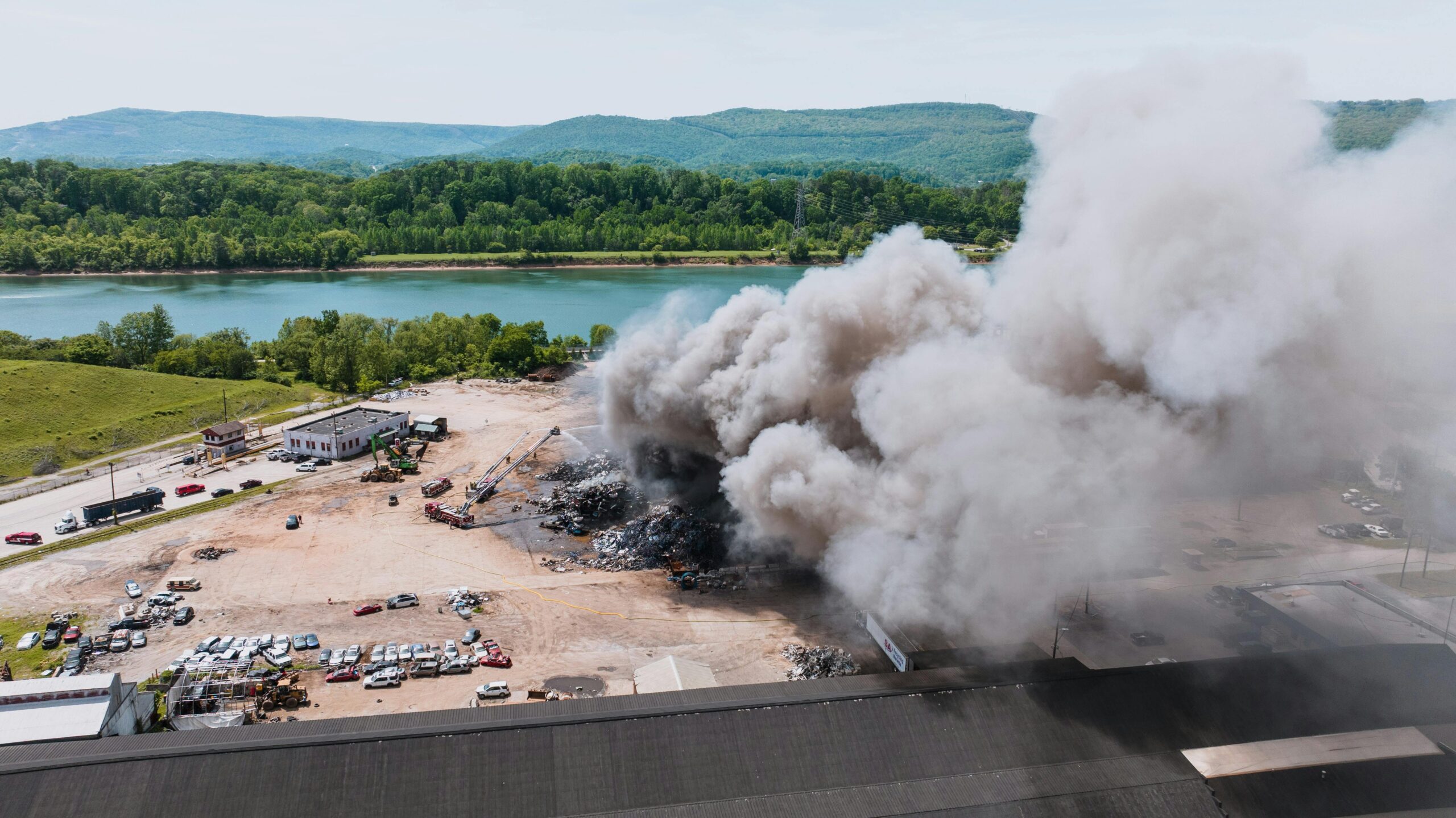
Modern smoke detection technology has evolved dramatically, offering round-the-clock protection even in challenging low-light and nighttime environments where traditional systems might struggle.

🌙 The Critical Importance of 24/7 Smoke Detection
Fire emergencies don’t wait for daylight. In fact, statistics show that most fatal home fires occur between 11 PM and 7 AM when families are asleep and least prepared to respond. This sobering reality underscores the absolute necessity for advanced smoke detection systems that perform flawlessly regardless of lighting conditions.
Traditional smoke detectors have saved countless lives, but they weren’t specifically designed to address the unique challenges posed by darkness and low-visibility scenarios. The latest generation of smoke detection technology incorporates sophisticated sensors and intelligent algorithms that maintain peak performance whether it’s high noon or the middle of the night.
Understanding how these advanced systems work and why they’re essential for comprehensive home safety can mean the difference between early detection and catastrophic loss. When smoke begins to accumulate in dark hallways, bedrooms, or basements during nighttime hours, every second counts.
🔬 How Advanced Smoke Detection Technology Works in Low Light
Modern smoke detection systems employ multiple complementary technologies that function independently of ambient light conditions. Unlike camera-based systems that require illumination, these sophisticated detectors rely on physical and chemical detection methods that work equally well in complete darkness.
Photoelectric Sensing Technology
Photoelectric smoke detectors use a light source and photosensitive sensor positioned at specific angles within the detection chamber. When smoke particles enter this chamber, they scatter the light beam, causing it to hit the sensor and trigger the alarm. This process occurs within the sealed detector unit, making it completely independent of external lighting conditions.
The internal light source—typically an infrared LED—operates continuously, creating a controlled environment where smoke detection happens with remarkable precision. This technology excels at detecting smoldering fires that produce larger smoke particles, which are common in nighttime residential fires involving upholstered furniture, bedding, and electrical components.
Ionization Detection Systems
Ionization smoke detectors take a different approach by using a small amount of radioactive material to ionize air molecules within the detection chamber. This creates an electrical current between two charged plates. When smoke particles enter the chamber, they disrupt this current, triggering the alarm.
This method is particularly effective at detecting fast-flaming fires and works without any dependence on light whatsoever. The ionization process continues uninterrupted 24 hours a day, providing consistent protection regardless of whether it’s day or night.
⚡ Smart Technology Integration for Enhanced Nighttime Protection
The integration of smart home technology has revolutionized smoke detection capabilities, especially for nighttime scenarios. Modern systems connect to home networks, enabling features that dramatically improve safety during sleeping hours.
Smart smoke detectors can communicate with other devices throughout your home, creating a comprehensive safety network. When smoke is detected at night, these systems can automatically illuminate escape routes by triggering connected smart lights, creating visible pathways through dark hallways and rooms.
Mobile Alert Systems
One of the most significant advantages of smart smoke detection is instant mobile notification. When everyone is asleep and an alarm sounds, smartphone alerts provide an additional layer of warning that can wake heavy sleepers or alert household members in distant rooms.
These notifications include specific information about which detector triggered the alarm, allowing you to assess the situation more quickly. If you’re away from home overnight, these alerts enable you to contact emergency services immediately, potentially saving your property and possessions.
Voice Announcement Features
Advanced smoke detectors now include voice announcement capabilities that specify the nature and location of the detected threat. During nighttime emergencies when visibility is already compromised, hearing “Smoke detected in the basement” provides crucial information that helps you make faster, more informed evacuation decisions.
This feature is particularly valuable in larger homes or multi-story buildings where determining the fire’s location from alarm sounds alone can be challenging in the confusion of a nighttime emergency.
🏠 Strategic Placement for Optimal Nighttime Coverage
Even the most advanced smoke detection technology requires proper placement to deliver maximum protection during nighttime hours. Strategic positioning ensures that smoke is detected as early as possible, giving you precious extra seconds to respond.
Bedrooms require special attention since occupants spend extended periods there unconscious and vulnerable. Installing smoke detectors inside each bedroom and in hallways leading to sleeping areas creates redundant protection layers that significantly improve early warning capabilities.
Critical Detection Zones
- Inside every bedroom: Ensures immediate detection if a fire starts within the sleeping area
- Outside sleeping areas: Provides warning if smoke approaches from other parts of the home
- On every level of the home: Creates comprehensive coverage throughout the structure
- Basement and attic spaces: Monitors areas where fires might start unnoticed during nighttime hours
- Near potential ignition sources: Offers early detection near furnaces, water heaters, and electrical panels
Ceiling mounting is generally most effective since smoke rises, but placement should account for air circulation patterns, avoiding corners and areas near ventilation systems that might delay smoke detection.
🔋 Power Reliability for Uninterrupted Protection
Advanced smoke detection systems must maintain operation throughout power outages, which often occur during nighttime storms when fire risks increase due to lightning strikes, candle use, and backup heating sources.
Modern detectors incorporate multiple power redundancy features. Hardwired systems connect to home electrical circuits while maintaining battery backup that engages automatically during power failures. This dual-power approach ensures continuous operation regardless of electrical supply status.
Battery Technology Advancements
Sealed lithium batteries now power many smoke detectors for up to ten years without replacement. This eliminates the common safety gap that occurs when batteries die during nighttime hours and aren’t replaced until morning—if the situation is even noticed.
Some advanced systems include battery monitoring that sends alerts when power levels drop, ensuring you’re never left unprotected. These notifications can be particularly valuable during overnight hours when you might not notice a low-battery chirp.
🔍 Reducing False Alarms Without Compromising Safety
False alarms create a dangerous complacency problem, especially during nighttime hours when sleepy residents might disconnect detectors after being awakened by non-emergency triggers. Advanced detection technology addresses this challenge through sophisticated discrimination algorithms.
Multi-criteria sensing analyzes multiple factors simultaneously—smoke particle size, concentration, temperature changes, and rate of change—to distinguish between actual fire conditions and nuisance sources like cooking smoke or steam from showers.
This intelligent analysis dramatically reduces false alarms while maintaining sensitivity to genuine threats. The system learns typical household patterns and can differentiate between normal nighttime conditions and abnormal situations that warrant alerts.
Temporary Sensitivity Adjustment
Some advanced detectors allow temporary sensitivity reduction through smartphone apps, useful when cooking late at night or during other activities that might generate smoke. The system automatically returns to full sensitivity after a preset time period, ensuring protection isn’t accidentally left disabled.
📊 Comparing Traditional and Advanced Detection Systems
| Feature | Traditional Detectors | Advanced Systems |
|---|---|---|
| Nighttime Operation | Basic alarm only | Multi-channel alerts, lighting integration |
| Power Backup | Replaceable batteries | Sealed long-life batteries, dual power |
| False Alarm Prevention | Single-criterion sensing | Multi-criteria analysis, smart algorithms |
| Remote Monitoring | None | Mobile apps, cloud connectivity |
| Location Information | Generic alarm sound | Voice announcements, specific locations |
| Maintenance Alerts | Chirping sounds only | App notifications, detailed diagnostics |
🛡️ Integration with Comprehensive Home Safety Systems
Advanced smoke detection achieves its full potential when integrated into broader home safety ecosystems. These comprehensive systems coordinate multiple protection elements to create layered defense strategies particularly valuable during vulnerable nighttime hours.
Carbon monoxide detectors, natural gas sensors, and water leak monitors can all communicate through the same network, providing centralized monitoring and alerts. This integration means a single mobile app can monitor all critical home safety systems, simplifying management while enhancing protection.
Professional Monitoring Services
Professional monitoring adds another critical protection layer for nighttime emergencies. When smoke is detected while you’re asleep, monitoring centers receive instant alerts and can dispatch emergency services even if you’re unable to respond to the alarm.
This service proves particularly valuable for elderly residents, people with mobility limitations, or anyone living alone who might struggle to respond effectively during nighttime emergencies. The peace of mind knowing that help is automatically on the way provides immeasurable psychological and practical benefits.
👨👩👧👦 Special Considerations for Vulnerable Populations
Certain household members require additional protection considerations that advanced smoke detection systems can address. Children, elderly family members, and individuals with hearing impairments face unique challenges during nighttime fire emergencies.
Studies show that children often sleep through standard smoke alarm sounds, remaining unconscious even when alarms sound continuously. Advanced systems address this by offering multiple alert methods including bed shakers, bright strobe lights, and louder alarm volumes specifically designed to wake deep sleepers.
Hearing-Impaired Alert Systems
For residents with hearing impairments, visual and tactile alerts become essential. Strobe lights integrated with smoke detection systems provide unmistakable visual warnings, while vibrating pillow inserts and bed shakers offer tactile alerts that can wake deaf or hard-of-hearing individuals during nighttime emergencies.
These specialized systems integrate seamlessly with advanced smoke detection networks, ensuring that everyone in the household receives appropriate warnings regardless of their sensory capabilities.
🔧 Maintenance Best Practices for Continuous Protection
Even the most sophisticated smoke detection system requires proper maintenance to ensure reliable nighttime protection. Fortunately, advanced systems simplify maintenance through smart monitoring and automated diagnostics.
Monthly testing remains important, but modern detectors make this process simple through smartphone app testing features. You can trigger test alarms, verify all alert channels function properly, and confirm network connectivity without climbing ladders or pressing tiny buttons in the dark.
Cleaning and Environmental Factors
Dust, insects, and humidity can affect detector performance over time. Advanced systems monitor internal conditions and alert you when cleaning is needed, rather than waiting for annual calendar reminders that might be forgotten.
Understanding environmental factors helps maintain optimal performance. Detectors near bathrooms might require more frequent attention due to humidity, while those in dusty areas like workshops or garages benefit from more regular cleaning schedules.
💡 Future Innovations in Smoke Detection Technology
The evolution of smoke detection technology continues accelerating, with emerging innovations promising even greater nighttime protection capabilities. Artificial intelligence and machine learning algorithms are being developed to recognize fire signatures with unprecedented accuracy.
These systems will learn individual home patterns, understanding normal overnight temperature fluctuations, humidity changes, and air circulation characteristics. This baseline knowledge enables them to detect even subtle anomalies that might indicate developing fire conditions before smoke becomes visible.
Advanced sensor fusion technology combines smoke detection with thermal imaging, air quality monitoring, and acoustic analysis to create multidimensional threat assessment capabilities. These systems won’t just detect smoke—they’ll identify fire types, predict spread patterns, and provide intelligent evacuation guidance based on real-time conditions.
🎯 Making the Right Choice for Your Home
Selecting appropriate smoke detection technology requires assessing your specific household needs, home layout, and budget considerations. While basic detectors provide essential protection, the enhanced capabilities of advanced systems deliver substantial additional value, particularly for nighttime scenarios.
Consider factors like household size, number of floors, presence of vulnerable populations, and existing smart home infrastructure when evaluating options. Homes with young children, elderly residents, or family members with disabilities benefit significantly from the comprehensive features advanced systems provide.
Budget concerns are understandable, but the incremental cost difference between basic and advanced systems proves minimal when compared to the enhanced protection value. Many insurance providers offer discounts for advanced detection systems, helping offset initial investment costs while providing superior safety benefits.

🌟 Empowering Nighttime Safety Through Technology
The advancement of smoke detection technology represents a fundamental shift in how we approach home fire safety. No longer must we rely solely on basic alarms that might or might not wake sleeping family members. Today’s systems provide comprehensive, intelligent protection that adapts to low-light and nighttime conditions.
These sophisticated technologies transform passive detection into active protection, integrating with smart home systems to illuminate escape routes, provide specific threat information, and ensure help arrives even if you cannot call for assistance. The result is measurably enhanced safety during the most vulnerable hours.
Implementing advanced smoke detection isn’t just about installing better equipment—it’s about creating a comprehensive safety culture that prioritizes preparedness and leverages technology to protect what matters most. When darkness falls and your family sleeps, knowing that sophisticated systems stand guard provides irreplaceable peace of mind.
The technology exists today to dramatically improve fire safety outcomes during nighttime hours. The question isn’t whether these systems work—extensive testing and real-world results confirm their effectiveness. The question is whether your home has the protection it deserves when night falls and traditional visibility disappears.
Investing in advanced smoke detection technology means investing in your family’s safety during those critical overnight hours when fires claim the most lives. With proper selection, installation, and maintenance, these systems provide reliable round-the-clock protection that could one day make the difference between tragedy and survival. Don’t wait until it’s too late—upgrade your home’s fire detection capabilities and rest easier knowing that advanced technology stands watch while you sleep. 🛏️