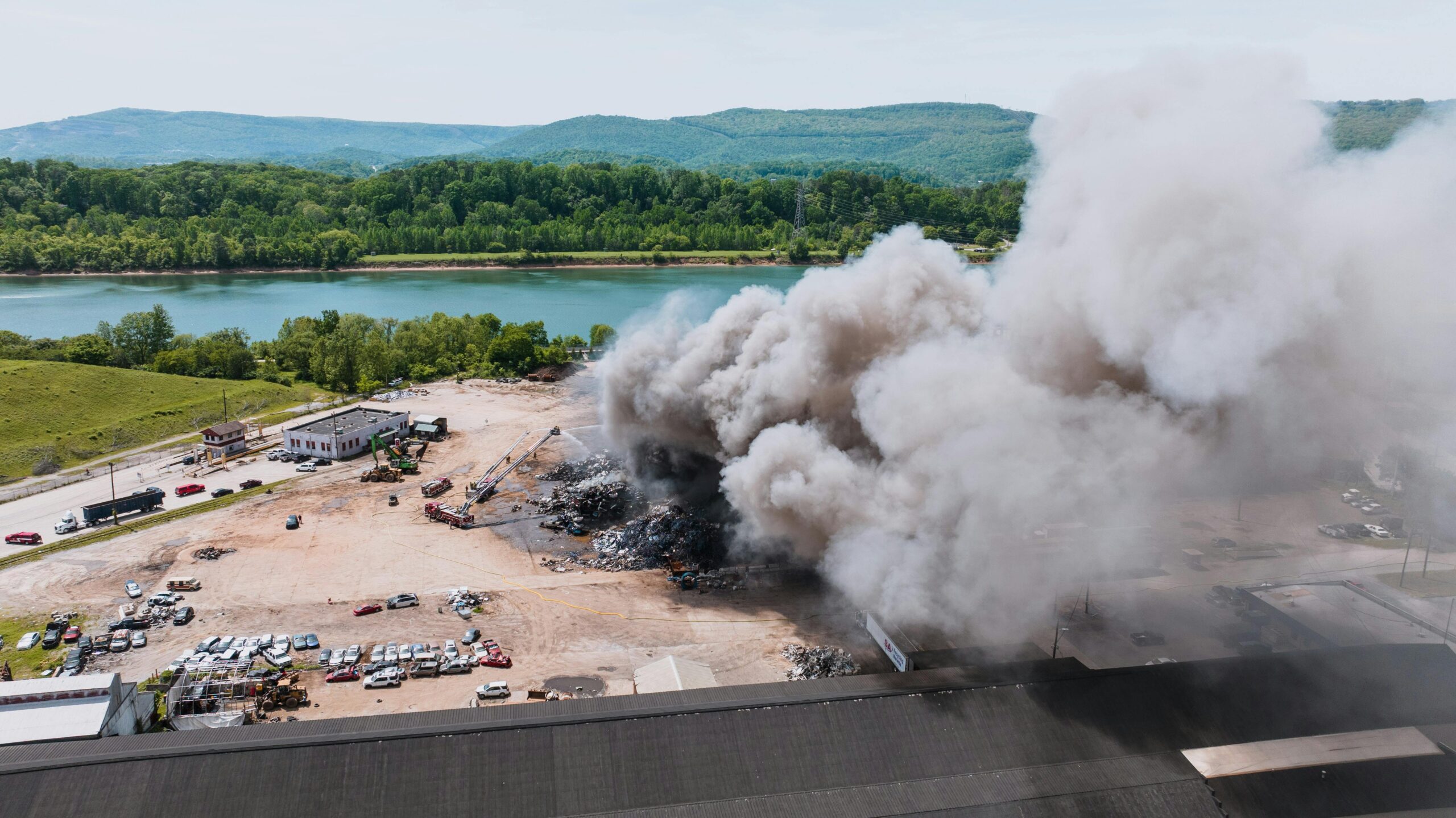
Fire safety technology has evolved dramatically, offering homeowners and businesses multiple ways to detect smoke. Understanding the differences between visual and sensor-based detection systems is crucial for making informed safety decisions.

🔍 Understanding the Fundamentals of Smoke Detection Technology
Smoke detection has been a cornerstone of fire safety for decades, but the technology behind these life-saving devices continues to advance. The two primary approaches—visual detection and sensor-based systems—each bring unique advantages and limitations to the table. Visual smoke detection relies on cameras and image processing algorithms to identify smoke patterns, while sensor-based approaches use physical detection mechanisms to sense smoke particles or combustion byproducts.
The choice between these technologies isn’t always straightforward. Environmental conditions, building layouts, budget constraints, and specific safety requirements all play significant roles in determining which solution works best. Both approaches have proven effective in their respective applications, yet understanding their operational differences helps optimize fire safety strategies.
📹 Visual Smoke Detection: How Camera-Based Systems Work
Visual smoke detection systems represent a relatively modern approach to fire safety. These systems utilize advanced cameras coupled with sophisticated software algorithms to identify smoke based on visual characteristics. The technology analyzes video feeds in real-time, looking for telltale signs of smoke such as movement patterns, color gradients, and opacity changes.
The artificial intelligence powering these systems has become increasingly sophisticated. Machine learning algorithms are trained on thousands of smoke scenarios, enabling them to distinguish between actual smoke and false triggers like steam, dust, or fog. This continuous learning capability means visual detection systems become more accurate over time as they process more data.
Key Advantages of Visual Detection Systems
Visual smoke detection offers several compelling benefits that make it attractive for specific applications. The coverage area represents one of the most significant advantages—a single camera can monitor vast spaces that would require multiple traditional smoke detectors. This makes visual systems particularly cost-effective for warehouses, atriums, and other large open areas.
Another advantage lies in the early detection capability. Visual systems can identify smoke at considerable distances, often before it reaches ceiling-mounted sensors. This early warning can provide crucial additional seconds or minutes for evacuation and fire suppression efforts.
- Wide coverage area reducing the number of devices needed
- Early detection of smoke at distance
- Ability to monitor hard-to-reach or high-ceiling areas
- Integration with existing security camera infrastructure
- Visual verification of alerts reducing false alarm response
- No physical contact with smoke required for detection
Limitations and Challenges of Camera-Based Detection
Despite their advantages, visual smoke detection systems face certain challenges. Lighting conditions significantly impact performance—systems may struggle in complete darkness or extremely bright environments. Camera lenses can also become obscured by dirt, condensation, or physical damage, compromising detection capabilities.
The computational requirements for processing video feeds in real-time can be substantial, requiring robust hardware infrastructure. Additionally, privacy concerns may arise in certain settings where continuous video surveillance is involved, though this is generally less problematic in commercial and industrial applications.
🔬 Sensor-Based Detection: Traditional Yet Reliable Technology
Sensor-based smoke detectors have protected lives and property for generations. These devices physically interact with smoke particles or detect combustion byproducts, triggering alarms when predetermined thresholds are exceeded. The two primary types—ionization and photoelectric sensors—each excel at detecting different fire characteristics.
Ionization sensors contain a small amount of radioactive material that ionizes air, creating a current between two plates. When smoke particles enter the chamber, they disrupt this current, triggering the alarm. These sensors respond quickly to fast-flaming fires that produce smaller smoke particles.
Photoelectric sensors use a light beam and photocell positioned at angles to each other. In normal conditions, the light doesn’t hit the photocell. When smoke enters the chamber, particles scatter the light onto the photocell, activating the alarm. These sensors excel at detecting smoldering fires that generate larger smoke particles.
Why Sensor-Based Systems Remain Industry Standard
The widespread adoption of sensor-based detection stems from proven reliability, standardized testing protocols, and regulatory acceptance. Building codes worldwide specify requirements for sensor-based smoke detectors, and decades of performance data validate their effectiveness. This regulatory framework provides clear installation guidelines and maintenance requirements.
Sensor-based detectors also benefit from simplicity and independence. They function without requiring network connectivity, video processing, or complex infrastructure. This standalone operation ensures detection capability even during power outages when battery-powered units are used, and system failures in other building systems don’t compromise fire detection.
The Drawbacks of Traditional Sensor Technology
Sensor-based systems aren’t without limitations. Their localized detection range means multiple units are necessary for comprehensive coverage, increasing installation and maintenance costs. These devices must be positioned where smoke will reach them, which can be problematic in spaces with high ceilings or unusual air flow patterns.
False alarms represent another significant challenge. Cooking smoke, steam from showers, dust from construction, and even insects entering the detection chamber can trigger alarms. These false positives create nuisance, potentially leading to alarm fatigue where occupants become desensitized to warnings or disable devices entirely.
⚖️ Comparing Performance Across Critical Metrics
When evaluating smoke detection approaches, several performance factors deserve careful consideration. Detection speed, accuracy, coverage area, maintenance requirements, and total cost of ownership all influence which solution best serves specific needs.
| Factor | Visual Detection | Sensor-Based Detection |
|---|---|---|
| Coverage Area | Excellent – single camera covers large spaces | Limited – requires multiple units |
| Detection Speed | Fast – identifies smoke before it spreads widely | Moderate – requires smoke to reach sensor |
| False Alarm Rate | Lower with AI verification | Higher – sensitive to non-fire particles |
| Installation Cost | Higher initial investment | Lower per-unit cost |
| Maintenance | Lens cleaning, software updates | Regular testing, battery replacement |
| Regulatory Compliance | Limited code acceptance | Widely mandated by building codes |
| Environmental Sensitivity | Affected by lighting, visibility | Affected by dust, humidity, insects |
🏢 Application-Specific Considerations for Different Environments
The optimal smoke detection approach varies significantly depending on the environment being protected. Residential settings have vastly different requirements than industrial facilities, and choosing the right technology requires understanding these contextual factors.
Residential Applications: Safety Meets Practicality
For homes and apartments, sensor-based smoke detectors remain the practical choice for most situations. Building codes mandate their installation, they’re affordable, and proven effective at protecting families. Modern interconnected sensor systems that wirelessly link multiple detectors throughout a home provide comprehensive coverage with audible alerts in every room when any detector triggers.
However, visual detection is gaining traction in smart home applications. Some homeowners integrate smoke detection capabilities into existing security camera systems, providing supplementary monitoring particularly valuable for vacation homes or properties checked remotely. These systems offer peace of mind through smartphone notifications with visual verification of potential fire situations.
Commercial and Industrial Settings: Scaling Up Protection
Large commercial spaces present unique challenges where visual detection systems truly shine. Warehouses with 30-foot ceilings, shopping mall atriums, manufacturing facilities, and airport terminals benefit tremendously from camera-based monitoring. The ability to detect smoke across vast areas with fewer devices reduces infrastructure costs despite higher per-unit expenses.
Industrial environments with processes generating dust, fumes, or steam often struggle with false alarms from traditional sensors. Visual detection systems trained to distinguish between normal operational conditions and actual smoke provide more reliable monitoring in these challenging applications.
Healthcare and Educational Facilities: Balancing Sensitivity and Stability
Hospitals, nursing homes, and schools require extremely reliable fire detection that minimizes false alarms. Evacuating vulnerable populations is time-consuming and potentially dangerous, making alarm accuracy paramount. Many facilities implement hybrid approaches, using sensor-based detection to meet code requirements while supplementing with visual systems in common areas for early warning and verification.
💰 Cost Analysis: Beyond the Purchase Price
Understanding the true cost of smoke detection requires examining the total investment over the system’s lifetime, not just initial purchase prices. Installation expenses, ongoing maintenance, false alarm costs, and replacement schedules all contribute to the financial equation.
Sensor-based detectors appear more affordable initially, with basic residential units costing between $10 and $50. However, comprehensive coverage requires multiple units, and interconnected systems with smart features can reach several hundred dollars. Professional installation adds labor costs, though many homeowners can install basic sensors themselves.
Visual detection systems require higher upfront investment, with commercial-grade cameras and processing equipment ranging from hundreds to thousands of dollars. However, a single camera system may replace a dozen traditional sensors, potentially reducing total hardware costs in large spaces. Integration with existing security infrastructure can also provide cost savings.
Maintenance costs differ significantly between approaches. Sensor-based detectors require monthly testing, annual battery replacement, and complete unit replacement every 10 years. Visual systems need periodic lens cleaning and software updates but typically have longer operational lifespans for hardware components.
🔮 The Future of Smoke Detection: Convergence and Innovation
The smoke detection industry continues evolving, with emerging technologies promising to enhance both visual and sensor-based approaches. Artificial intelligence improvements enable visual systems to achieve higher accuracy with lower false alarm rates. Edge computing allows processing directly on camera devices, reducing infrastructure requirements.
Sensor technology is also advancing. Multi-criteria detectors combine smoke sensing with heat detection, carbon monoxide monitoring, and other inputs to make more intelligent decisions about alarm conditions. Wireless mesh networks enable easier installation and more sophisticated system coordination.
The most promising direction involves hybrid systems that leverage strengths from both approaches. Visual detection provides wide-area monitoring and early warning, while strategically placed sensors ensure code compliance and provide redundancy. Integrated platforms analyze data from multiple detection methods, using algorithms to correlate information and make more accurate threat assessments.
🎯 Making the Right Choice for Your Specific Needs
Selecting between visual and sensor-based smoke detection ultimately depends on your unique circumstances. Several questions help guide the decision-making process and ensure you implement the most effective fire safety strategy.
Consider the physical space being protected. Large open areas with high ceilings favor visual detection, while traditional floor plans with standard ceiling heights work well with sensor-based approaches. Environmental conditions matter—areas with poor lighting may struggle with camera systems, while dusty or steamy environments challenge traditional sensors.
Regulatory requirements cannot be ignored. Building codes mandate sensor-based detectors in most residential and many commercial applications. Even if supplementing with visual systems, maintaining code-compliant sensor coverage remains necessary in most jurisdictions.
Budget constraints play practical roles. If cost is the primary concern and the space suits traditional detection, sensor-based systems provide proven protection at accessible prices. When protecting high-value assets or where early detection provides significant benefits, the additional investment in visual systems may prove worthwhile.
🛡️ Implementing a Comprehensive Fire Safety Strategy
Effective fire safety extends beyond smoke detection alone. The best protection comes from integrated approaches combining detection, notification, suppression, and evacuation planning. Smoke detectors—whether visual or sensor-based—represent just one component of comprehensive fire safety.
Regular testing and maintenance ensure detection systems function when needed. Both visual and sensor-based systems require periodic verification, though the specific procedures differ. Establishing maintenance schedules and documenting compliance protects both lives and limits liability.
Training occupants on proper response procedures maximizes the value of early detection. Even the fastest, most accurate smoke detection system only saves lives if people respond appropriately. Regular fire drills, clear evacuation routes, and designated assembly points complement detection technology.
Integration with other building systems enhances overall effectiveness. Smoke detection systems that automatically notify fire departments, activate ventilation controls, recall elevators, and unlock emergency exits provide layered protection. Both visual and sensor-based systems can integrate with building automation platforms to coordinate comprehensive emergency responses.

🏆 Finding Your Optimal Smoke Detection Solution
Neither visual nor sensor-based smoke detection emerges as universally superior—each excels in different scenarios. Sensor-based systems offer proven reliability, regulatory acceptance, and cost-effectiveness for most traditional applications. They remain the foundation of residential fire safety and meet building code requirements across commercial settings.
Visual detection systems provide valuable advantages in challenging environments where traditional sensors struggle. Large open spaces, high ceilings, and areas with dust or steam benefit from camera-based monitoring. The technology continues improving, with artificial intelligence enhancing accuracy and reducing false alarms.
The most sophisticated approach combines both technologies strategically, leveraging their respective strengths while compensating for individual limitations. This hybrid strategy provides redundancy, improves detection confidence, and offers the most comprehensive protection.
Ultimately, the superior solution for your safety needs depends on careful evaluation of your specific environment, regulatory requirements, budget, and risk tolerance. Consulting with fire safety professionals helps assess your situation and design optimal detection strategies. Whether choosing visual systems, sensor-based detectors, or integrated approaches, the investment in reliable smoke detection remains one of the most important safety decisions you can make. 🔥