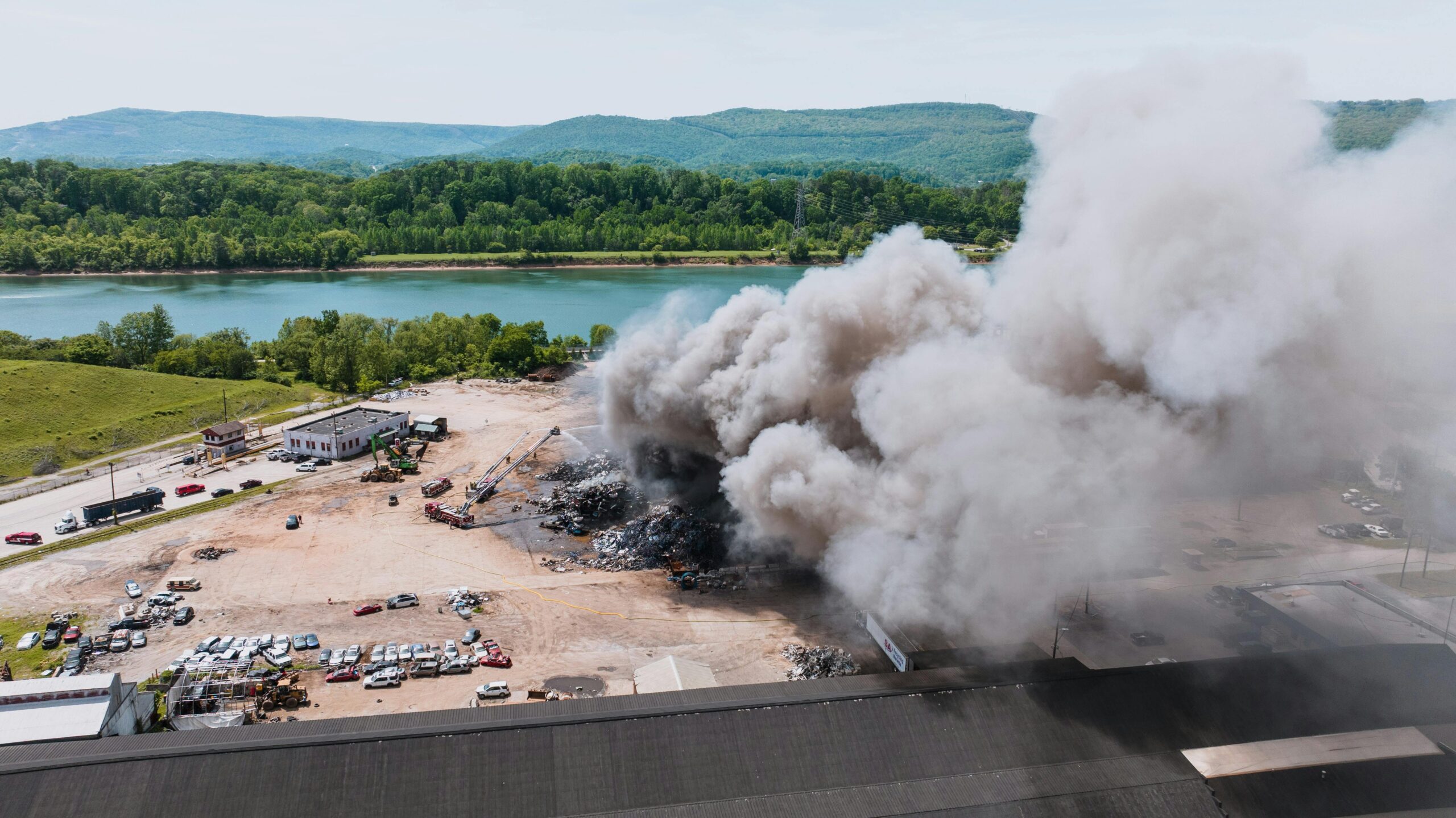
Forests worldwide face an invisible enemy that can devastate ecosystems within hours: smoke from wildfires. Early detection through advanced smoke pattern monitoring is becoming critical for preservation efforts.

🔥 Why Traditional Forest Monitoring Falls Short
For decades, forest management relied on watchtowers, periodic patrols, and satellite imagery to detect fires. While these methods provided baseline protection, they suffer from significant limitations that modern technology is now addressing. Human observers can only cover limited areas, weather conditions frequently obstruct visual surveillance, and by the time smoke becomes visible to the naked eye, fires may already be spreading rapidly.
The challenge intensifies when considering remote forest regions where access is difficult and monitoring infrastructure is sparse. Traditional detection methods often identify fires only after they’ve grown substantially, reducing response time and increasing containment costs. This reactive approach has proven insufficient as climate change intensifies fire seasons and expands vulnerable areas globally.
Recent wildfire statistics paint a concerning picture. According to forest management agencies, detection delays of even 30 minutes can triple the area burned and exponentially increase suppression costs. The financial and ecological toll demands innovative solutions that can identify threats at their earliest stages.
🌲 Understanding Smoke Patterns: Nature’s Early Warning System
Smoke behaves in predictable ways that trained systems can recognize. Unlike clouds or fog, wildfire smoke exhibits distinct characteristics including specific color ranges, movement patterns, texture variations, and dispersion rates. These signatures create opportunities for automated detection systems that can distinguish between benign atmospheric phenomena and genuine threats.
Different types of fires produce different smoke patterns. Surface fires burning through grass and undergrowth generate lighter-colored, rapidly dispersing smoke. Crown fires consuming tree canopies produce darker, denser smoke columns that rise more vertically. Understanding these variations allows detection systems to not only identify fires but also classify their severity and potential spread patterns.
The Science Behind Smoke Detection Technology
Modern smoke pattern detection combines multiple technological approaches. Optical sensors analyze light wavelengths reflected and absorbed by smoke particles. Thermal imaging identifies heat signatures associated with combustion. Machine learning algorithms process vast amounts of visual data to recognize patterns that indicate fire presence.
These systems learn from thousands of verified fire events, continuously improving their accuracy. Advanced algorithms can now differentiate between wildfire smoke, agricultural burning, industrial emissions, and natural fog with remarkable precision. This specificity dramatically reduces false alarms that previously plagued automated detection systems.
📡 Technological Innovations Transforming Forest Protection
The integration of artificial intelligence with remote sensing has revolutionized forest monitoring capabilities. Satellite constellations now provide near-continuous coverage of vulnerable regions, with some systems offering image updates every few minutes. When combined with AI-powered smoke detection algorithms, these satellites can identify potential fires within minutes of ignition.
Drone technology adds another dimension to monitoring efforts. Unmanned aerial vehicles equipped with multispectral cameras and thermal sensors can patrol high-risk areas during critical fire weather conditions. Their ability to fly below cloud cover and provide detailed imagery makes them invaluable for early detection in challenging conditions.
Ground-Based Sensor Networks: The First Line of Defense
While aerial and satellite systems provide broad coverage, ground-based sensors offer complementary advantages. Strategic placement of optical cameras with smoke detection software creates a persistent monitoring network that operates 24/7 regardless of satellite overpass schedules. These systems can detect smoke plumes when they’re still small and relatively easy to suppress.
Network-connected sensors communicate in real-time with command centers, automatically triggering alerts when smoke patterns match threat profiles. Integration with weather data allows these systems to adjust sensitivity based on fire danger levels, wind conditions, and humidity readings that affect fire behavior.
🎯 Real-World Implementation Success Stories
California’s ALERTWildfire network exemplifies successful smoke detection implementation. This network of over 1,000 high-definition cameras with pan-tilt-zoom capabilities monitors millions of acres across the state. The system has confirmed hundreds of fires within minutes of ignition, enabling rapid response that prevented catastrophic spread in numerous cases.
In Australia, following the devastating 2019-2020 bushfire season, authorities invested heavily in enhanced detection infrastructure. Satellite-based smoke detection systems now provide coverage across remote regions where ground monitoring is impractical. Early results show detection times reduced by an average of 65% compared to previous methods.
European forests are adopting similar technologies with impressive outcomes. Portugal implemented a comprehensive monitoring system combining ground sensors, drone patrols, and satellite analysis. During the first full operational season, the system detected 89% of fires within the first ten minutes of smoke generation, compared to 23% under the previous system.
🤖 Machine Learning: Teaching Computers to See Smoke
The heart of modern smoke detection lies in sophisticated machine learning models trained on massive datasets of fire imagery. These neural networks learn to recognize subtle visual cues that indicate smoke presence, even in challenging conditions with partial obscuration or complex backgrounds.
Training effective models requires diverse data representing various fire types, weather conditions, landscapes, and times of day. Researchers compile datasets from historical fires, controlled burns, and simulation scenarios to ensure algorithms perform reliably across real-world conditions.
Addressing False Positives and System Reliability
Early automated detection systems struggled with false alarms triggered by dust, fog, clouds, and even vehicle exhaust. Modern AI approaches dramatically improve accuracy through multi-factor analysis. Systems now consider temporal changes, comparing current images with historical baselines to identify anomalies that suggest fire presence.
Confidence scoring allows systems to prioritize alerts based on detection certainty. High-confidence alerts trigger immediate response protocols, while lower-confidence detections prompt human verification before dispatching resources. This tiered approach optimizes response efficiency while maintaining safety.
🌍 Global Implications for Climate and Conservation
Enhanced smoke detection capabilities extend beyond immediate fire suppression benefits. The data collected by these systems provides valuable insights into fire ecology, climate patterns, and ecosystem health. Long-term monitoring reveals trends in fire frequency, intensity, and geographic distribution that inform conservation strategies and climate adaptation planning.
Forests serve as critical carbon sinks, and wildfires release massive amounts of stored carbon into the atmosphere. By enabling earlier fire detection and suppression, smoke monitoring systems help preserve these carbon stores, contributing to climate change mitigation efforts. Studies estimate that reducing average fire size by just 20% through improved detection could prevent millions of tons of carbon emissions annually.
Biodiversity Protection Through Rapid Response
Wildlife populations suffer devastating losses during major wildfires. Endangered species with limited habitats face existential threats when fires sweep through critical areas. Early detection systems provide time for wildlife managers to implement emergency protocols, including temporary animal relocations and habitat protection measures that can save vulnerable populations.
The ecological recovery time from wildfires varies dramatically based on fire severity and extent. Smaller fires contained quickly allow ecosystems to recover through natural regeneration within years. Large, intense fires may require decades for full ecosystem restoration. Smoke detection technology that keeps fires small delivers compounding conservation benefits over time.
💡 Integrating Community Participation and Technology
Technology alone cannot solve the wildfire challenge. Effective forest protection requires community engagement and public awareness. Mobile applications now enable citizens to report smoke sightings directly to fire management agencies, complementing automated detection systems with human observations from diverse locations.
Educational initiatives help communities understand fire danger conditions, recognize early warning signs, and respond appropriately to alerts. When residents understand the technology protecting their forests and homes, they become active participants in fire prevention and early reporting efforts.
Empowering Rangers and First Responders
Forest rangers and firefighters benefit directly from enhanced detection technology. Mobile dashboards provide real-time smoke detection alerts with precise location data, enabling rapid deployment to fire sites. Integration with navigation systems guides response teams via optimal routes, reducing critical response minutes.
Advanced systems provide predictive modeling showing likely fire spread patterns based on current weather, fuel conditions, and topography. This intelligence allows incident commanders to position resources strategically and implement proactive containment measures before fires reach critical infrastructure or population centers.
🔬 The Future of Forest Monitoring Technology
Emerging technologies promise even more sophisticated monitoring capabilities. Hyperspectral imaging can detect chemical signatures of combustion before visible smoke appears, potentially identifying fires at the smoldering stage. Low-orbit satellite constellations under development will provide global coverage with update intervals measured in minutes rather than hours.
Integration of Internet of Things sensors throughout forest ecosystems will create comprehensive environmental monitoring networks. These sensors will measure not just smoke, but also temperature, humidity, soil moisture, and wind conditions—all factors that influence fire behavior and detection requirements.
Artificial Intelligence Evolution and Predictive Capabilities
Next-generation AI systems will move beyond reactive detection to predictive fire risk assessment. By analyzing weather forecasts, vegetation moisture levels, historical fire patterns, and human activity data, these systems will identify high-risk areas before ignition occurs, enabling preventive measures and enhanced surveillance in vulnerable zones.
Edge computing will enable on-device processing at camera and sensor locations, reducing latency and bandwidth requirements. Real-time analysis at the source allows instantaneous alert generation without dependence on network connectivity, critical for remote forest locations with limited infrastructure.
🌐 Building Resilient Monitoring Infrastructure
Effective smoke detection requires robust, redundant infrastructure designed for harsh forest environments. Equipment must withstand extreme temperatures, moisture, dust, and wildlife interference while maintaining operational reliability. Solar power systems with battery backup ensure continuous operation even during extended grid outages that often accompany major fire events.
Cybersecurity considerations are paramount as monitoring networks become increasingly interconnected. Protection against unauthorized access, data manipulation, and system disruption ensures that detection capabilities remain reliable when needed most. Regular testing and maintenance protocols maintain system readiness throughout fire seasons.
📊 Measuring Success and Continuous Improvement
Quantifying the effectiveness of smoke detection systems requires comprehensive metrics tracking detection speed, accuracy, false alarm rates, and suppression outcomes. Agencies implementing these technologies document improvements in response times, containment success rates, and cost savings compared to historical baselines.
Performance data drives continuous system refinement. Machine learning models retrain on new fire data, incorporating lessons from each detection event. Sensor placement optimization uses geographic information system analysis to identify coverage gaps and maximize detection probability across protected areas.
🚀 Taking Action: Implementation Roadmap for Forest Managers
Organizations seeking to implement smoke pattern detection should begin with comprehensive needs assessment identifying high-priority areas, existing infrastructure, and budget constraints. Pilot programs in limited geographic zones allow testing and refinement before full-scale deployment.
Collaboration with technology providers, research institutions, and neighboring jurisdictions accelerates implementation and reduces costs through shared resources and expertise. Grant funding and public-private partnerships can make advanced detection systems accessible even for agencies with limited budgets.
Training personnel in system operation, alert interpretation, and response protocols ensures technology delivers maximum benefit. Regular exercises and simulations maintain readiness and identify areas for procedural improvement.
🌟 Protecting Our Forests for Future Generations
The hidden threat of wildfire smoke demands visible, decisive action. Enhanced monitoring through smoke pattern detection represents our best hope for protecting irreplaceable forest ecosystems from increasingly severe fire seasons. As technology continues advancing and implementation expands globally, we move closer to a future where catastrophic wildfires become preventable rather than inevitable disasters.
Every minute gained in detection translates to acres saved, ecosystems preserved, and communities protected. The investment in smoke detection technology pays dividends measured not just in economic terms but in the incalculable value of forests maintained for biodiversity, climate regulation, and human wellbeing. The tools exist today to revolutionize forest protection—the imperative now is widespread adoption and continuous innovation to stay ahead of evolving threats.
Forest protection through advanced smoke detection is not merely a technological challenge but a commitment to environmental stewardship. By embracing these innovations and supporting ongoing development, we take concrete steps toward securing forest health for generations to come. The hidden threat of smoke becomes less menacing when met with vigilant, intelligent monitoring systems working tirelessly to safeguard our planet’s vital forest resources.