Infrared and thermal imaging technologies are revolutionizing how we observe Earth and beyond, transforming invisible heat signatures into actionable intelligence across multiple platforms.

🌡️ The Hidden World Beyond Visible Light
While human eyes can only perceive a narrow band of electromagnetic radiation, the infrared spectrum holds vast amounts of information waiting to be decoded. Thermal imaging and infrared analytics have evolved from niche military applications into essential tools across industries ranging from agriculture to urban planning, disaster response to wildlife conservation.
The electromagnetic spectrum extends far beyond what we can see. Infrared radiation, with wavelengths longer than visible light but shorter than microwaves, carries thermal information about objects and surfaces. This invisible spectrum reveals temperature variations, material compositions, and energy patterns that remain completely hidden to conventional cameras.
Modern sensor technology has advanced to the point where we can capture, analyze, and interpret this thermal data with unprecedented precision. Whether mounted on satellites orbiting hundreds of kilometers above Earth, deployed on aircraft flying survey missions, or positioned on ground-based platforms, infrared sensors are providing insights that were impossible just a decade ago.
🛰️ Satellite-Based Thermal Intelligence Systems
Space-based infrared sensors operate continuously, providing global coverage that ground systems cannot match. These orbital platforms monitor everything from volcanic activity to urban heat islands, offering perspectives that transform our understanding of planetary processes.
Modern Earth observation satellites carry sophisticated thermal infrared instruments capable of detecting temperature variations as small as 0.1 degrees Celsius. The Landsat series, MODIS (Moderate Resolution Imaging Spectroradiometer), and newer commercial satellites generate terabytes of thermal data daily, creating comprehensive heat maps of our planet’s surface.
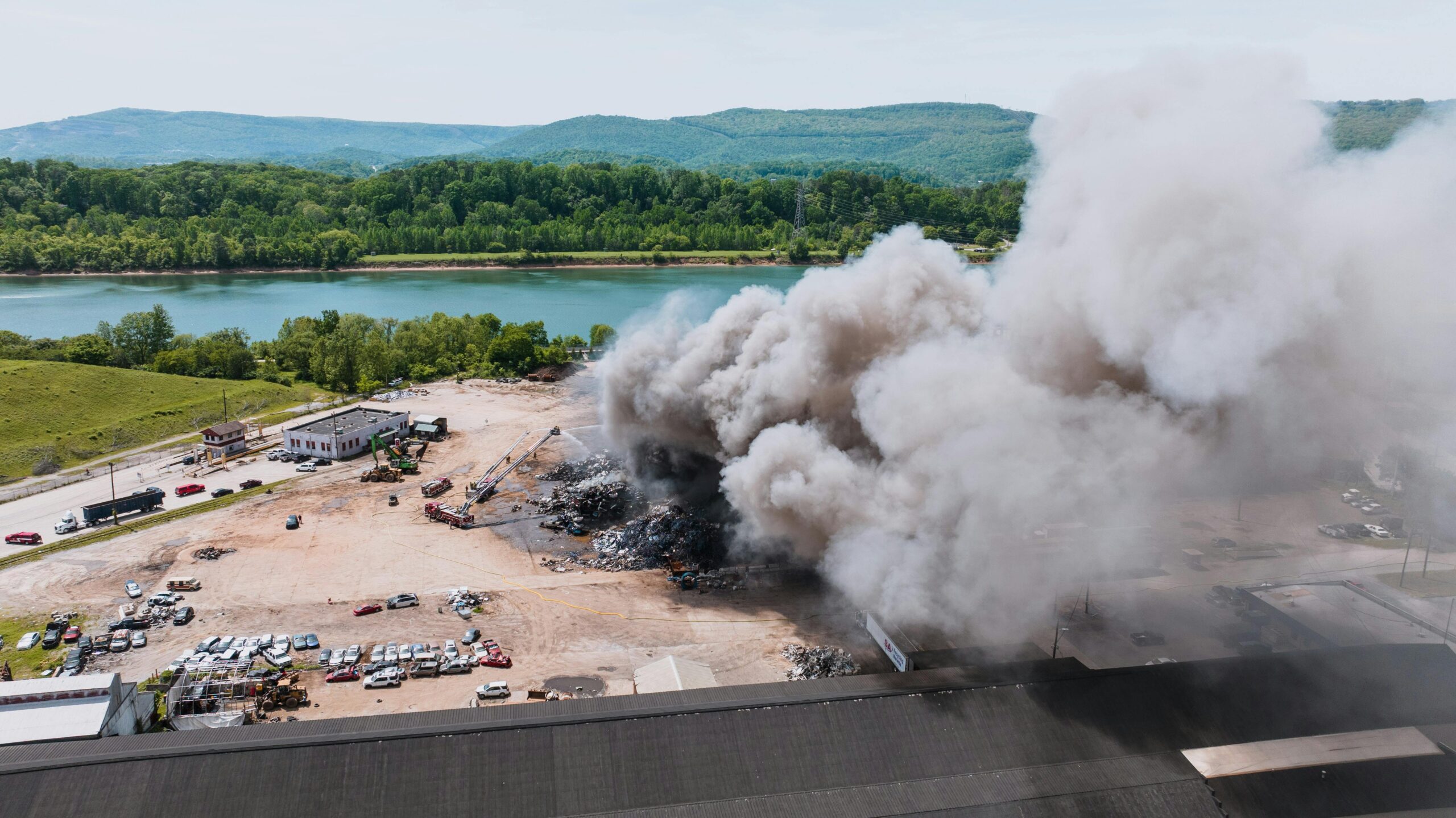
These satellite systems excel at monitoring large-scale phenomena. Forest fire detection systems can identify thermal anomalies within minutes of ignition, alerting authorities before small fires become catastrophic blazes. Agricultural monitoring programs use thermal data to assess crop stress, irrigation efficiency, and soil moisture across vast farming regions.
Breakthrough Applications in Climate Science
Climate researchers rely heavily on satellite thermal imaging to track glacial retreat, measure ocean surface temperatures, and monitor heat distribution patterns that influence weather systems. The consistent, repeated observations from orbital platforms create time-series datasets essential for understanding long-term environmental changes.
Urban planners increasingly use satellite thermal data to identify heat islands—metropolitan areas significantly warmer than surrounding regions due to human activity and infrastructure. This information guides green space development, building material choices, and cooling infrastructure investments in cities worldwide.
✈️ Airborne Infrared Analytics: Flexibility Meets Precision
Airborne platforms bridge the gap between satellite overview and ground-level detail. Mounted on aircraft, drones, and helicopters, thermal imaging systems deliver higher resolution imagery with operational flexibility that fixed-orbit satellites cannot provide.
Modern airborne thermal cameras achieve spatial resolutions measured in centimeters rather than meters, revealing details invisible to satellite sensors. This precision enables applications requiring fine-scale analysis, from infrastructure inspection to precision agriculture.
Drone-mounted thermal sensors have democratized infrared analytics, making the technology accessible to smaller organizations and specialized applications. Search and rescue teams use thermal drones to locate missing persons in wilderness areas. Building inspectors identify energy leaks and insulation failures. Solar farm operators detect malfunctioning panels across installations covering hundreds of acres.
Power Line and Infrastructure Monitoring
Utility companies conduct regular airborne thermal surveys of electrical transmission infrastructure. Thermal cameras identify overheating components, corroded connections, and failing insulators before they cause service interruptions or safety hazards. This predictive maintenance approach saves millions annually while improving grid reliability.
Pipeline operators similarly employ airborne thermal imaging to monitor thousands of kilometers of infrastructure. Temperature anomalies can indicate leaks, blockages, or external interference, enabling rapid response before minor issues escalate into environmental disasters or service disruptions.
🎯 Ground-Based Thermal Sensor Networks
While satellite and airborne platforms offer broad coverage, ground-based infrared systems provide continuous monitoring of specific locations with exceptional detail. These fixed or mobile installations serve specialized applications where persistent observation matters more than wide-area coverage.
Industrial facilities deploy thermal cameras for process monitoring, quality control, and safety applications. Manufacturing plants use thermal imaging to verify uniform heating in treatment processes, detect equipment malfunctions, and identify potential fire hazards before accidents occur.
Security applications leverage thermal imaging’s unique capabilities. Unlike visible light cameras, thermal sensors work equally well in complete darkness, through light fog, and in challenging weather conditions. Perimeter security systems combine thermal detection with automated analytics to identify human or vehicle intrusion with minimal false alarms.
Medical and Scientific Research Applications
Medical researchers utilize high-precision thermal cameras to study circulation, inflammation, and metabolic processes. Non-invasive thermal imaging reveals patterns associated with various health conditions, supporting diagnosis and treatment monitoring without radiation exposure or physical contact.
Wildlife biologists employ ground-based thermal cameras for nocturnal observation and population studies. Thermal imaging allows researchers to observe animal behavior without artificial lighting that would disturb subjects, while automatically detecting and counting animals across large survey areas.
🔬 Advanced Analytics: From Raw Data to Actionable Intelligence
Capturing thermal images represents only the first step. The real value emerges when sophisticated analytics transform raw infrared data into meaningful insights. Machine learning algorithms, spectral analysis techniques, and multi-sensor fusion create intelligence far exceeding what individual sensors provide.
Modern thermal analytics platforms automatically detect patterns, anomalies, and trends within massive datasets. Computer vision algorithms trained on millions of thermal images can identify specific features—diseased crops, structural defects, wildlife species—with accuracy rivaling or exceeding human experts.
Multi-spectral analysis combines thermal infrared data with other portions of the electromagnetic spectrum. Vegetation indices derived from combining visible, near-infrared, and thermal data provide comprehensive plant health assessments impossible from any single wavelength band.
Real-Time Processing and Edge Computing
The volume of thermal data generated by modern sensor networks exceeds human capacity to manually review. Automated analytics systems process imagery in real-time, flagging situations requiring immediate attention while archiving normal observations for trend analysis.
Edge computing architectures perform initial analysis directly on sensor platforms, reducing bandwidth requirements and enabling faster response. A thermal camera monitoring a warehouse can detect temperature anomalies and trigger alerts within seconds, without transmitting full-resolution imagery to distant data centers.
🌍 Integration Across Platform Types
The most powerful thermal imaging systems integrate data from satellite, airborne, and ground sensors into unified analytical frameworks. This multi-scale approach leverages each platform’s strengths while compensating for individual limitations.
Wildfire management exemplifies this integrated approach. Satellites provide broad area monitoring to detect new ignitions across vast wilderness regions. When fires are detected, airborne systems deliver detailed mapping of fire perimeters and intensity. Ground-based thermal cameras monitor specific high-risk areas like urban interfaces and critical infrastructure.
Agricultural applications similarly benefit from multi-platform integration. Satellite thermal data identifies field-scale irrigation issues and crop stress patterns. Drone surveys provide plant-level detail for targeted investigation. Ground-based sensors continuously monitor soil temperature and moisture at key reference points, validating and calibrating aerial observations.
Data Fusion Challenges and Solutions
Combining thermal data from diverse platforms presents technical challenges. Different sensors measure different wavelength bands with varying spatial resolutions, temporal frequencies, and radiometric calibrations. Advanced data fusion algorithms account for these differences, creating seamless analytical products from heterogeneous inputs.
Standardized data formats and interoperability protocols increasingly enable seamless integration. Cloud-based platforms ingest thermal imagery from multiple sources, automatically performing geometric corrections, radiometric calibration, and atmospheric compensation before analysis begins.
📊 Emerging Technologies Reshaping Thermal Analytics
The field of infrared and thermal imaging continues rapid evolution. New sensor technologies, analytical methods, and platform capabilities are expanding possibilities across application domains.
Hyperspectral thermal sensors capture hundreds of narrow wavelength bands across the infrared spectrum, rather than the handful measured by conventional thermal cameras. This spectral richness enables material identification and compositional analysis impossible with broadband thermal imaging.
Artificial intelligence is transforming how we extract meaning from thermal data. Deep learning networks automatically discover features and patterns within thermal imagery, often identifying relationships human analysts would never recognize. These AI systems continuously improve as they process more data, becoming increasingly accurate and capable over time.
Miniaturization and Cost Reduction
Thermal sensor technology that once required specialized cooling systems and cost hundreds of thousands of dollars now fits in smartphone-sized packages costing a few hundred dollars. This democratization is bringing thermal imaging capabilities to applications and users previously excluded by cost and complexity barriers.
Uncooled microbolometer arrays provide adequate performance for many applications at a fraction of the cost and size of traditional cooled thermal sensors. These compact, low-power devices are enabling new applications in consumer electronics, automotive safety systems, and Internet of Things deployments.
🚀 Future Directions in Infrared Observation
The next generation of thermal imaging systems will deliver capabilities that seem almost science fiction today. Satellite constellations with dozens or hundreds of thermal sensors will provide near-continuous monitoring of the entire planet with update frequencies measured in minutes rather than days.
Advanced materials and manufacturing techniques promise sensors with greater sensitivity, broader spectral coverage, and higher spatial resolution. Quantum cascade lasers and other emerging technologies may enable active thermal imaging that illuminates scenes with specific infrared wavelengths, revealing details impossible with passive thermal observation.
Integration with other sensing modalities will create comprehensive situational awareness systems. Thermal cameras combined with lidar, radar, multispectral optical sensors, and chemical detectors will provide rich, multi-dimensional understanding of observed environments.
Autonomous Systems and Thermal Intelligence
Autonomous vehicles, robots, and drones increasingly rely on thermal imaging for navigation and perception. Self-driving cars use thermal cameras to detect pedestrians and animals in darkness and adverse weather. Agricultural robots employ thermal sensing to identify weeds, assess plant health, and optimize treatment application.
These autonomous systems generate enormous volumes of thermal data as a byproduct of their operations. Aggregating and analyzing this distributed sensor network creates unprecedented opportunities for environmental monitoring, infrastructure assessment, and urban intelligence.
💡 Overcoming Technical and Practical Challenges
Despite remarkable progress, thermal imaging analytics faces ongoing challenges that limit accuracy and utility in certain situations. Atmospheric conditions affect infrared transmission, with water vapor and carbon dioxide absorbing specific wavelengths. Sophisticated atmospheric correction algorithms compensate for these effects, but uncertainties remain, especially for satellite observations.
Emissivity variations complicate temperature measurement. Different materials radiate thermal energy with different efficiencies, making absolute temperature determination challenging without detailed knowledge of observed surface properties. Multi-spectral approaches and thermal reference targets help address this limitation.
Data volume presents both technical and economic challenges. High-resolution thermal sensors generate massive datasets requiring substantial storage, processing, and transmission infrastructure. Balancing image quality, coverage area, and practical data management constraints requires careful system design.
🌟 Transforming Industries Through Thermal Vision
The integration of advanced infrared and thermal imaging across satellite, airborne, and ground platforms is fundamentally changing how we understand and interact with our world. From monitoring climate change to optimizing energy efficiency, from ensuring food security to protecting critical infrastructure, thermal analytics provides insights that drive better decisions.
As sensor technology continues improving and analytical capabilities advance, applications will expand into areas we haven’t yet imagined. The invisible spectrum is becoming increasingly visible, revealing patterns, processes, and opportunities that were always present but remained hidden until thermal imaging technology illuminated them.
Organizations and individuals who master thermal imaging analytics gain competitive advantages and capabilities their predecessors never possessed. The ability to see temperature, to measure energy flows, to detect subtle variations invisible to human senses opens doors to innovation across virtually every field of human endeavor.
The future belongs to those who can unlock the full potential of the infrared spectrum, transforming invisible heat signatures into visible intelligence that drives progress and understanding across our increasingly complex world.