
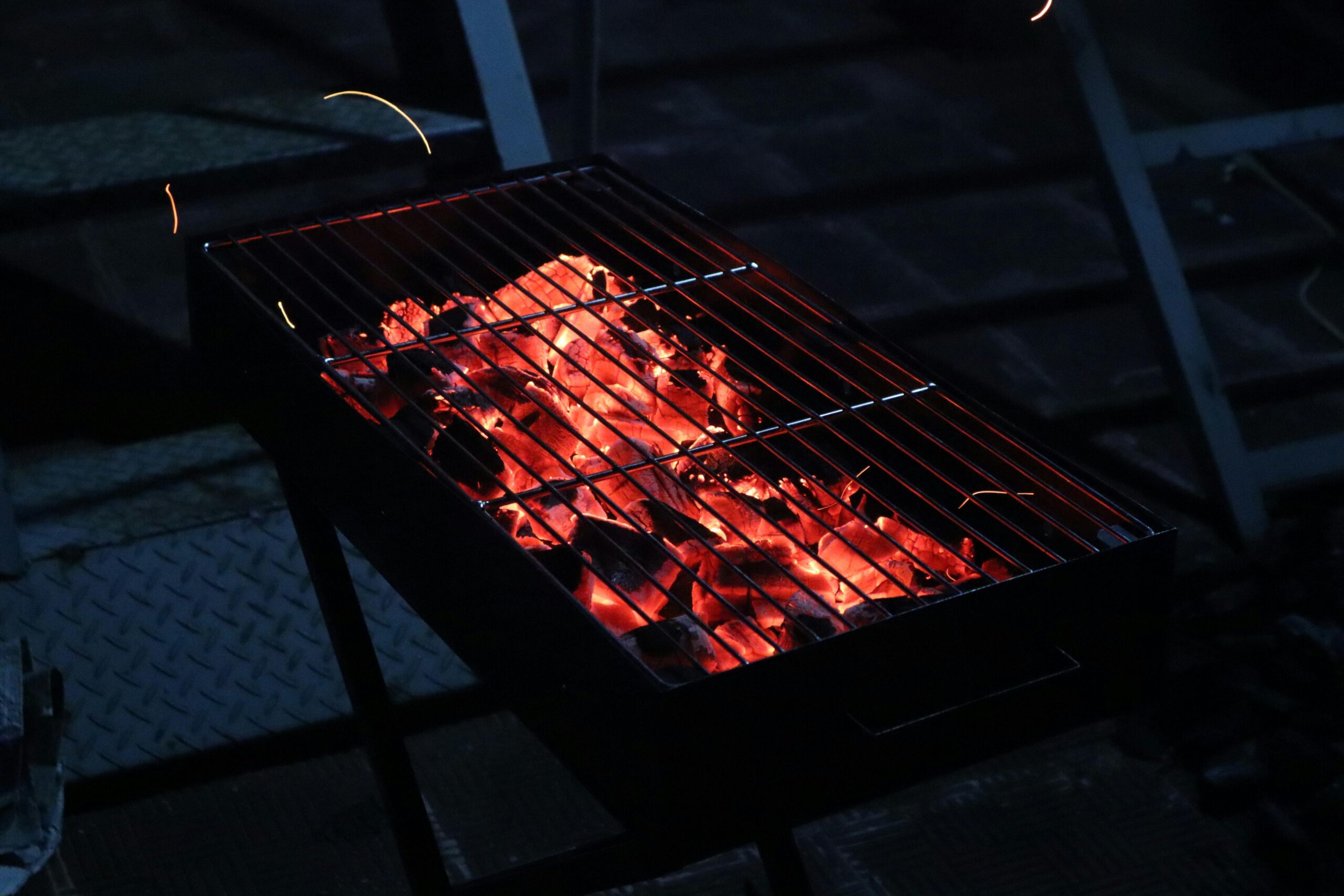
The mesmerizing dance of glowing embers rising through the air captivates observers with an ancient, primal beauty that connects us to fire’s fundamental nature.

🔥 The Enchanting Phenomenon of Ember Lofting
Ember lofting represents one of nature’s most captivating displays of combustion physics. When fuel burns intensely, lightweight fragments of burning material become airborne, creating luminous trails that spiral upward into the darkness. This phenomenon has fascinated humans since our earliest encounters with fire, serving as both entertainment and warning throughout our evolutionary history.
The visual spectacle of ember lofting varies dramatically depending on the fuel source, ambient conditions, and combustion intensity. Understanding these variations not only enhances our appreciation of fire’s aesthetic qualities but also provides practical knowledge for fire management, safety, and intentional fire use in controlled environments.
From the crackling sparks of pine wood to the explosive bursts from bamboo, each fuel type contributes unique characteristics to the ember lofting experience. This exploration delves into the science, safety, and sheer beauty of this natural phenomenon across various combustion materials.
Understanding the Science Behind Airborne Embers
Ember lofting occurs when several physical forces interact during combustion. The primary driver is convective heat, which creates powerful updrafts above any significant fire. As materials burn, they release enormous amounts of thermal energy that heats surrounding air, causing it to expand and rise rapidly.
Lightweight particles of incompletely combusted fuel get caught in these updrafts and become airborne. The size, density, and combustion state of these particles determine how high and far they’ll travel. Smaller, lighter embers can rise hundreds of feet, while larger fragments typically fall back to earth within shorter distances.
The chemical composition of the fuel significantly influences ember characteristics. Materials with high volatile content produce more dramatic lofting displays, while denser woods create heavier embers that glow intensely but travel shorter distances. Temperature, oxygen availability, and moisture content all play crucial roles in determining the visual character of ember lofting.
The Role of Thermal Dynamics in Ember Behavior
The temperature gradient between the fire and surrounding air creates a powerful convection column. This column acts like an invisible chimney, pulling embers upward with remarkable force. Wind conditions can significantly alter this pattern, causing embers to drift horizontally and potentially creating fire spread hazards.
Embers continue burning while airborne because they maintain sufficient temperature and surface area for ongoing oxidation. The brightness and color of these glowing fragments depend on their temperature, with hotter embers appearing more white or blue, while cooler ones glow red or orange.
Wood Varieties and Their Distinctive Ember Characteristics
Different wood species produce remarkably varied ember lofting displays, each with unique visual signatures and behavioral patterns. Understanding these differences enhances both safety and aesthetic appreciation when working with fire.
Softwoods: The Spark Generators ✨
Softwoods like pine, spruce, and fir are renowned for their enthusiastic spark production. These resinous woods contain pockets of volatile compounds that vaporize rapidly when heated, creating small explosions that launch glowing fragments into the air.
Pine wood produces particularly spectacular displays, with golden sparks that crackle audibly as they leap from the flames. The high resin content creates bright, short-lived embers that burn intensely but briefly. This makes softwoods excellent for visual entertainment but requires careful management due to increased fire spread risk.
Cedar creates a fragrant experience alongside its ember display, producing steady streams of smaller sparks that rise gracefully on the thermal column. The aromatic smoke adds another sensory dimension to the experience, making cedar a favorite for ceremonial and recreational fires.
Hardwoods: The Steady Glow
Hardwoods like oak, maple, and hickory produce fewer but larger embers that glow with sustained intensity. These denser woods burn more slowly and completely, creating embers that maintain their heat longer during flight.
Oak produces substantial embers that rise steadily, creating a stately display less frenetic than softwood sparks. These embers glow deep orange-red and can remain combustible for extended periods, making them efficient for heating but requiring careful attention to prevent unwanted ignitions.
Apple and cherry woods offer sweet-smelling smoke along with moderate ember production, creating a balanced sensory experience. These fruitwoods are prized for cooking fires because their ember behavior is predictable and manageable while adding pleasant aromatics.
Alternative Natural Fuels and Their Ember Personalities
Beyond traditional firewood, numerous other natural materials produce distinctive ember lofting characteristics, each offering unique visual and acoustic experiences.
Bamboo: The Spectacular Performer 🎆
Bamboo creates one of nature’s most dramatic ember displays. As the hollow segments heat, trapped air expands until the bamboo explodes with sharp cracks, launching embers in all directions. These explosive bursts create spectacular visual effects and have been used traditionally in celebrations and ceremonies.
The sound and light show from burning bamboo is unmatched among natural fuels. However, this explosive behavior requires substantial safety distances and careful fire ring construction to contain the energetic ember spread.
Dried Grasses and Agricultural Residues
Dried grasses, straw, and crop residues burn extremely rapidly, creating massive quantities of small, lightweight embers. These materials produce swirling clouds of glowing particles that dance and spiral on the convective currents.
While visually impressive, these fine fuels require exceptional caution because their embers travel far and remain viable for igniting secondary fires. Wind conditions become critically important when burning these materials, and open burning of such fuels is regulated or prohibited in many jurisdictions.
Exotic Materials: Pinecones, Seed Pods, and Bark
Pinecones create delightful popping sounds and irregular spark patterns as their resinous scales ignite sequentially. Each species produces slightly different effects, with larger cones from sugar pines creating more dramatic displays than smaller varieties.
Eucalyptus bark and seed pods contain volatile oils that produce intense, fragrant fires with vigorous ember production. The distinctive aroma combines with visual pyrotechnics to create a memorable sensory experience, though the intensity requires respect and proper containment.
Manufactured and Processed Fuels: Modern Ember Sources
Contemporary fuel processing has created materials specifically designed to optimize burning characteristics, including ember behavior for aesthetic or practical purposes.
Charcoal and Its Refined Burn Pattern
Charcoal represents wood that has been pre-combusted in oxygen-poor conditions, driving off volatile compounds and leaving nearly pure carbon. This refined fuel burns with minimal smoke and produces few airborne embers compared to raw wood.
When charcoal does produce embers, they glow intensely white-hot due to high combustion temperatures. These embers are denser and less likely to become airborne, making charcoal a safer choice for cooking and situations where ember control is paramount.
Compressed Wood Products and Logs
Manufactured fire logs made from compressed sawdust, wax, and other wood byproducts burn with carefully engineered characteristics. Most are designed to minimize ember production for indoor fireplace safety, but some specialty products enhance spark display for aesthetic purposes.
These products offer consistency and predictability unavailable with natural wood. Users can select products specifically formulated for desired ember behavior, from nearly spark-free burns to enhanced displays.
Fossil Fuels: Coal and Its Distinctive Ember Behavior
Coal represents ancient organic material transformed by geological processes into a dense, energy-rich fuel with unique combustion characteristics.
Anthracite coal burns with minimal visible flame but produces intensely hot, long-lasting embers that glow brilliant orange. These embers rarely become airborne due to their density, instead maintaining sustained heat output ideal for heating applications.
Bituminous coal produces more volatile combustion with occasional spark production, though nothing approaching wood’s ember display. The sulfurous smoke and environmental concerns have reduced coal’s recreational use, but it remains significant in certain industrial and heating contexts.
Safety Considerations When Observing Ember Lofting 🛡️
The beauty of airborne embers comes with inherent risks that require understanding and respect. Proper safety measures transform potentially dangerous situations into controlled, enjoyable experiences.
Establishing Appropriate Safety Zones
Create defensible space around any fire producing significant embers. Clear vegetation, dry materials, and flammable structures from substantial areas surrounding the fire location. The minimum safe distance varies with fuel type, fire size, and wind conditions.
For softwood fires or bamboo burns producing vigorous ember displays, establish safety perimeters of at least 20-30 feet from the fire. Monitor the area beyond this zone for ember landings that might ignite secondary fires.
Weather and Environmental Factors
Never burn ember-producing fuels during high wind conditions, periods of low humidity, or drought conditions when wildfire risk is elevated. Many jurisdictions implement burning bans during dangerous conditions, and violating these restrictions carries legal and moral consequences.
Evening and early morning typically offer the calmest conditions with higher relative humidity, making these times preferable for fires intended to showcase ember beauty. Always check local regulations and fire danger ratings before planning any open fire.
Containment and Suppression Resources
Maintain immediate access to fire suppression tools including water sources, extinguishers, and tools for beating out escaped embers. A garden hose with adequate pressure provides excellent insurance against ember-caused spot fires.
Never leave ember-producing fires unattended, and ensure complete extinguishment before departing. Embers can remain viable for hours or even days within ash beds, capable of reigniting when conditions change.
Creating Optimal Conditions for Ember Observation
Intentionally showcasing ember lofting beauty requires thoughtful setup and fuel selection to maximize visual impact while maintaining safety.
Fire Structure and Airflow Management
Build fires with adequate airflow to maintain vigorous combustion and strong convective columns. Teepee or log cabin configurations work well for creating the updrafts necessary for impressive ember lofting.
Avoid smothering fires with excessive fuel, which reduces oxygen availability and suppresses the clean, hot burn that produces the best ember displays. Feed fires progressively, maintaining optimal combustion conditions.
Timing and Lighting Considerations 🌙
Ember beauty becomes most apparent against dark backgrounds. Dusk and nighttime viewing showcase the glowing particles dramatically, while daytime fires make ember observation difficult despite producing identical physical phenomena.
Position viewing areas to place the night sky or dark vegetation as backdrop to the fire, enhancing ember visibility. Avoid competing light sources that reduce contrast and diminish the visual experience.
Cultural and Historical Perspectives on Fire and Embers
Humans have long recognized the aesthetic and spiritual dimensions of fire’s visual displays. Throughout history, cultures worldwide have incorporated ember observation into ceremonies, celebrations, and communal gatherings.
Traditional fire-keeping practices often involved selecting specific wood types to create desired visual and aromatic effects. Indigenous peoples developed sophisticated understanding of how different fuels behaved, using this knowledge for practical and ceremonial purposes.
Contemporary recreational fire use continues these traditions, though with modern safety equipment and scientific understanding. Campfires, bonfires, and fire features in landscapes serve social functions while connecting us to ancient human experiences around flames.
Environmental Considerations and Responsible Fire Use 🌍
While appreciating fire’s beauty, we must acknowledge its environmental impacts and practice responsible use that minimizes negative effects.
Wood smoke contains particulate matter and chemical compounds that affect air quality. Burning seasoned wood completely in well-designed fires reduces emissions, but all wood combustion produces pollution. Consider air quality impacts on your community when planning recreational fires.
Source fuel sustainably, using deadfall, properly harvested firewood, or manufactured products from certified sustainable forestry. Avoid burning treated wood, painted materials, or trash, which release toxic compounds harmful to human health and the environment.
Capturing the Moment: Photography and Ember Documentation
Modern photography equipment enables stunning documentation of ember lofting that was impossible with earlier technology. Long-exposure techniques transform individual ember paths into continuous light trails, creating abstract art from physical phenomena.
Use tripod-mounted cameras with manual settings to capture ember movement. Exposure times between 1-10 seconds typically work well, depending on ember brightness and ambient light. Experiment with different focal lengths and compositions to create compelling imagery.
Video capture reveals ember dynamics invisible to still photography, showing the complex turbulent flow patterns and ember interactions. Slow-motion video makes rapid spark events visible in detail, unveiling the physics of combustion in beautiful clarity.
The Meditative Quality of Fire Watching 🧘
Beyond scientific understanding and safety considerations, ember observation offers psychological and emotional benefits. Fire watching induces relaxed, meditative states that reduce stress and promote mental well-being.
The unpredictable, ever-changing nature of ember patterns captures attention without demanding active engagement, allowing the mind to rest while remaining alert. This combination creates ideal conditions for contemplation and stress reduction.
Gathering around fires remains a powerful social activity that facilitates conversation and connection. The shared experience of watching embers rise creates communal bonds while providing a natural focus that eases social interaction.
Embracing Fire’s Ancient Magic Responsibly
The power and beauty of ember lofting connects us to humanity’s oldest technology and longest relationship with controlled energy release. Each fuel source offers distinct characteristics that reward observation and understanding.
From softwood sparks crackling skyward to the sustained glow of hardwood embers, from bamboo’s explosive bursts to the refined burn of manufactured products, the diversity of ember displays reflects the complexity of combustion chemistry and physics.
Approaching fire with knowledge, respect, and appropriate caution allows us to safely enjoy these ancient displays. Understanding fuel characteristics, environmental conditions, and safety requirements transforms ember observation from risky behavior into responsible appreciation of natural beauty.
Whether gathered around a campfire in wilderness, tending a backyard fire pit, or observing traditional ceremonial fires, we participate in timeless human experience when we watch embers dance upward into darkness. This connection to our past enriches present moments and reminds us of fire’s fundamental role in human development and culture.
By exploring ember lofting from various fuel sources with curiosity and care, we unleash fire’s power not as destruction but as beauty, warmth, and connection—celebrating one of nature’s most captivating displays while honoring the responsibility that comes with controlling such elemental force.