Flame-speed research produces critical insights, but translating complex combustion data into digestible information for non-technical audiences remains a significant challenge for scientists and engineers worldwide.

🔥 Why Flame-Speed Communication Matters More Than Ever
Flame-speed, the velocity at which a combustion wave propagates through a fuel-air mixture, sits at the heart of everything from automotive engines to industrial safety protocols. Yet despite its fundamental importance, the concept remains shrouded in technical jargon that alienates stakeholders, policymakers, and the general public who need to understand its implications.
The gap between scientific knowledge and public understanding creates real-world consequences. When engineers cannot effectively communicate flame-speed findings to safety inspectors, industrial accidents become more likely. When researchers fail to explain the relevance of their combustion studies to funding committees, critical projects lose support. The ability to bridge this communication divide has become as essential as the research itself.
Modern combustion science generates massive datasets about flame propagation velocities, temperature profiles, and chemical kinetics. These findings influence vehicle emissions standards, building safety codes, and energy policy decisions. Without clear communication strategies, this valuable knowledge remains trapped in academic journals, inaccessible to those who could benefit most from understanding it.
Understanding Your Audience’s Starting Point
Before attempting to explain flame-speed concepts, successful communicators first assess their audience’s baseline knowledge. A corporate executive evaluating safety investments brings different background knowledge than a journalist covering environmental policy or a community member concerned about nearby industrial facilities.
Non-experts typically lack familiarity with thermodynamics principles, chemical reaction mechanisms, and fluid dynamics fundamentals that combustion scientists take for granted. They may not understand why temperature affects reaction rates or how pressure influences flame propagation. Assuming this knowledge creates immediate communication barriers.
Equally important is recognizing what your audience does understand. Most people have observed candles burning, experienced campfires, and driven vehicles with internal combustion engines. These everyday experiences provide powerful starting points for explaining more complex phenomena. Building from familiar concepts toward technical details creates cognitive scaffolding that facilitates understanding.
Identifying Stakeholder Motivations
Different audiences care about flame-speed research for different reasons. Industrial safety managers focus on explosion prevention and hazard mitigation. Environmental advocates want to understand emissions and pollution formation. Automotive engineers seek performance optimization and efficiency improvements. Tailoring your message to address specific stakeholder concerns dramatically increases engagement and comprehension.
Regulatory officials need to understand how flame-speed data informs safety standards and compliance thresholds. Investors evaluating new combustion technologies want clarity on competitive advantages and market applications. Educators look for ways to make combustion science accessible to students. Recognizing these varied motivations helps you emphasize the most relevant aspects of your findings.
Transforming Technical Data Into Compelling Stories 📊
Raw flame-speed measurements—expressed in centimeters per second or meters per second—mean little to non-experts without context. A laminar burning velocity of 40 cm/s becomes meaningful only when connected to real-world implications. The transformation from data to narrative requires deliberate translation strategies.
Consider framing flame-speed variations in terms of consequences rather than measurements. Instead of stating that hydrogen has a flame speed seven times faster than methane, explain that this difference determines why hydrogen leaks pose significantly greater explosion risks and require different safety protocols. The practical implication resonates more powerfully than the numerical comparison.
Analogies serve as powerful translation tools. Describing flame propagation as similar to a wave moving across a field of dry grass helps non-technical audiences visualize the phenomenon. Comparing turbulent flame acceleration to wind fanning a fire connects unfamiliar combustion physics to everyday experiences. These conceptual bridges make abstract processes tangible.
Visualization Strategies That Illuminate
Well-designed graphics transform incomprehensible datasets into intuitive insights. High-speed flame photography captures attention while demonstrating flame structure and propagation patterns. Color-coded temperature maps reveal thermal gradients without requiring technical interpretation. Animated sequences showing flame development over time convey dynamics that static graphs cannot.
When creating visualizations for non-expert audiences, simplicity trumps comprehensiveness. Resist the temptation to include every measured parameter on a single graph. Instead, focus each visualization on communicating one clear message. A simple bar chart comparing flame speeds of common fuels proves more effective than a complex multi-axis plot showing temperature-dependent velocity variations across equivalence ratios.
Infographics offer particularly effective formats for summarizing flame-speed research findings. Combining minimal text with strategic graphics, they guide viewers through key concepts sequentially. An infographic might progress from defining flame-speed, through measurement methods, to practical applications, creating a self-contained educational resource that stands alone without extensive explanation.
Avoiding Technical Jargon Without Sacrificing Accuracy ⚠️
The specialized vocabulary of combustion science—terms like “equivalence ratio,” “laminar burning velocity,” and “Markstein length”—creates immediate barriers for non-technical audiences. However, abandoning precision entirely risks oversimplification and misrepresentation. The solution lies in strategic translation rather than elimination.
When technical terms prove unavoidable, define them immediately using plain language. Instead of writing “the Markstein length characterizes flame sensitivity to stretch,” explain “we measure how the flame responds when stretched or compressed, which helps predict flame stability.” The second version conveys the essential concept without requiring prior knowledge of specialized terminology.
Acronyms present particular hazards. While “LBV” flows naturally in technical discussions, writing out “laminar burning velocity” followed by a simple definition serves non-expert readers better. If you must use acronyms repeatedly, create a simple glossary box within your presentation or document for easy reference.
The Power of Comparative Language
Relative comparisons often communicate more effectively than absolute values. Stating that one fuel burns “50% faster” creates immediate understanding, while listing both velocities separately requires mental calculation. Describing a safety improvement as “reducing explosion risk to one-tenth the previous level” conveys impact more powerfully than presenting statistical probability values.
Percentages, ratios, and ranking systems leverage mathematical concepts most people understand intuitively. When discussing multiple fuel types, presenting them in order from slowest to fastest flame speed creates clear hierarchical understanding. Visual scales and comparison charts reinforce these relationships without overwhelming viewers with numerical precision.
Connecting Research Findings to Real-World Impact 🌍
Non-experts engage most deeply with flame-speed research when they understand its tangible consequences. Abstract scientific knowledge becomes compelling when connected to safety, economics, environmental protection, or technological advancement. Establishing these connections transforms passive audiences into invested stakeholders.
Consider flame-speed research related to hydrogen as an alternative fuel. Technical details about hydroxyl radical kinetics and diffusive-thermal instability matter little to most audiences. However, explaining that hydrogen’s high flame speed enables more efficient engines but also demands redesigned safety systems directly addresses practical concerns about the fuel’s viability.
Case studies provide powerful vehicles for demonstrating real-world relevance. Describing how flame-speed data prevented an industrial accident, improved vehicle efficiency, or informed building code revisions transforms abstract research into tangible benefit. These narratives help non-experts understand why continued investigation matters and deserves support.
Economic and Environmental Dimensions
Financial implications resonate strongly across diverse audiences. When flame-speed research enables more efficient combustion, translate this improvement into fuel cost savings, reduced emissions taxes, or competitive market advantages. Quantifying economic impact in dollar terms or percentage improvements creates concrete understanding of research value.
Environmental benefits similarly capture broad attention. Explaining how optimized flame propagation reduces pollutant formation connects combustion research to air quality concerns that affect everyone. Describing emissions reductions in terms of equivalent vehicle removals or improved health outcomes makes environmental benefits personally relevant rather than abstractly statistical.
Interactive Demonstrations and Hands-On Explanations 🔬
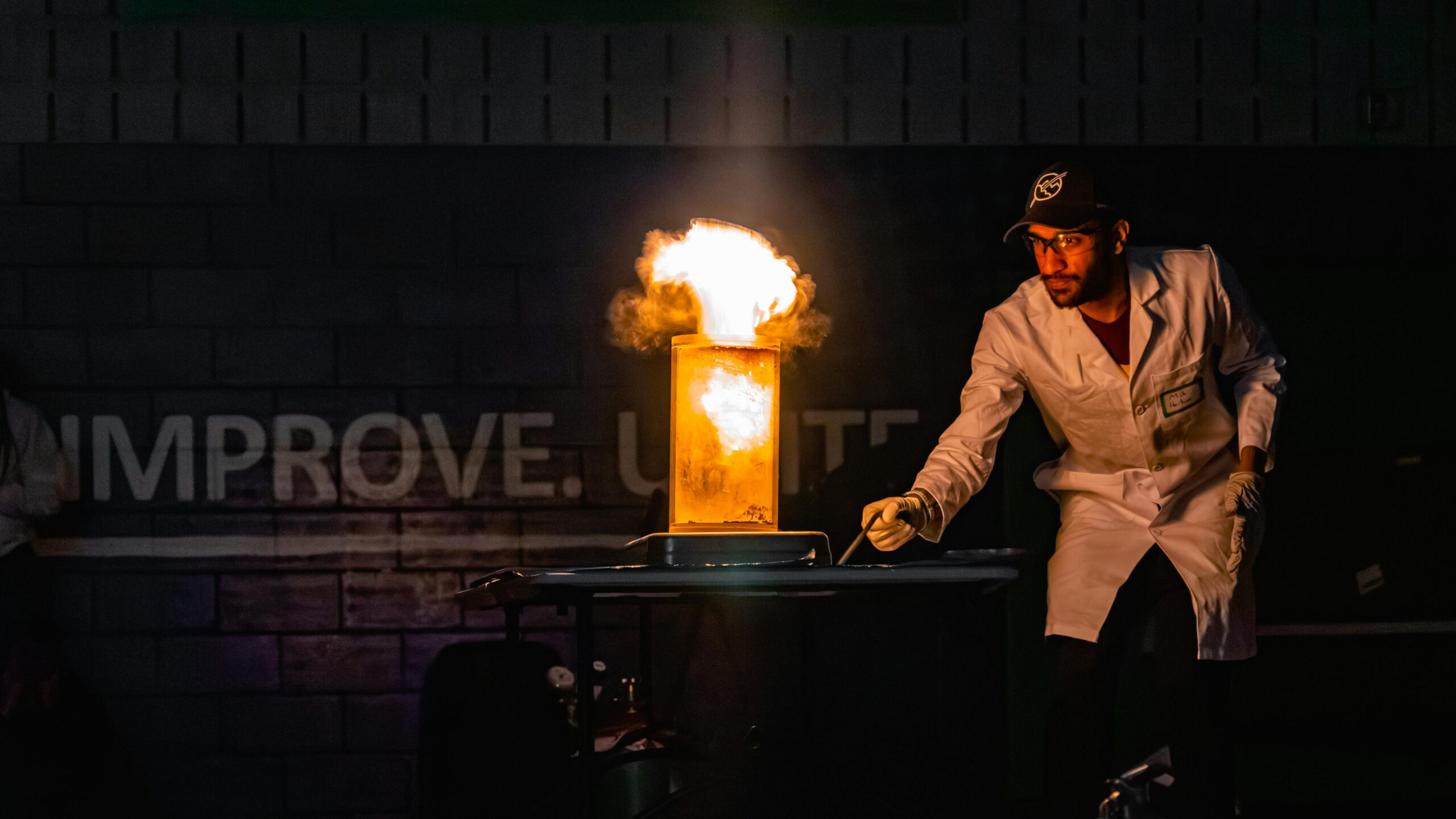
Nothing communicates flame-speed concepts more effectively than direct observation. Safe, controlled demonstrations allow non-experts to witness flame propagation firsthand, transforming abstract descriptions into memorable experiences. Even simple demonstrations create lasting understanding that lectures alone cannot achieve.
A clear tube showing flame propagation through different fuel mixtures visually demonstrates how composition affects burning velocity. Comparing flame spread across alcohol-soaked paper versus gasoline-soaked paper illustrates fuel-dependent flame speed differences. These demonstrations require minimal equipment while delivering maximum educational impact.
For audiences unable to attend in-person demonstrations, high-quality video captures similar benefits. Slow-motion footage revealing flame structure and propagation patterns, side-by-side comparisons showing different fuels, and annotated sequences explaining observed phenomena bring research to life. Strategic camera angles and clear narration maximize comprehension.
Digital Tools for Enhanced Understanding
Interactive simulations allow users to manipulate variables and observe resulting flame-speed changes. Web-based tools that let visitors adjust fuel type, mixture composition, or pressure while watching simulated flame propagation create intuitive understanding of parameter relationships. This hands-on exploration facilitates learning more effectively than passive information consumption.
Virtual reality applications offer immersive experiences that place users inside combustion environments otherwise impossible to observe safely. Walking through a three-dimensional flame structure or observing turbulent flame acceleration from multiple angles creates visceral understanding that traditional media cannot match. As VR technology becomes more accessible, these applications will increasingly enhance public communication efforts.
Structuring Presentations for Maximum Clarity 📱
How you organize information significantly impacts comprehension. Non-expert audiences benefit from clear signposting that previews content, guides them through complex material, and reinforces key messages. Strategic structure compensates for limited technical background, enabling even complicated concepts to become accessible.
Begin with the big picture before diving into details. Start presentations by explaining why flame-speed matters and what practical problems it addresses. Only after establishing this context should you introduce technical concepts and research findings. This top-down approach prevents audiences from getting lost in details before understanding their significance.
The “what-so what-now what” framework provides excellent scaffolding. First, explain what you discovered (the research findings). Second, clarify so what—why these findings matter and what implications they carry. Finally, address now what—what actions or changes these findings should inspire. This progression moves logically from information through meaning to application.
Repetition and Reinforcement Strategies
Non-experts benefit from strategic repetition of key concepts. Rather than stating critical information once and moving forward, effective communicators revisit important points through different lenses. Present a concept verbally, reinforce it visually, and then illustrate it with an example. This multi-modal repetition accommodates diverse learning styles while deepening understanding.
Summary slides, recap sections, and key takeaway boxes help audiences retain essential information. After covering complex material, pause to synthesize the main points in simple language. These periodic consolidations prevent cognitive overload and ensure your core messages penetrate rather than wash over listeners.
Addressing Questions and Building Dialogue 💬
Effective science communication flows bidirectionally. Creating opportunities for questions, encouraging dialogue, and actively listening to audience concerns builds trust while revealing comprehension gaps that require additional explanation. This interactive approach transforms monologues into genuine conversations.
When answering questions, resist the temptation to showcase technical knowledge. Instead, focus on addressing the questioner’s actual concern in accessible language. If someone asks about explosion risks, they want clear information about safety—not a detailed lecture on detonation wave dynamics. Staying focused on practical implications rather than technical minutiae serves audiences better.
Sometimes questions reveal misconceptions that need gentle correction. Rather than bluntly stating someone is wrong, acknowledge the logic behind their thinking before introducing more accurate information. This respectful approach maintains engagement while correcting misunderstandings. Phrases like “that’s a common assumption, and here’s what research actually shows” work more effectively than direct contradiction.
Creating Ongoing Communication Channels
Single presentations rarely achieve complete understanding. Providing resources for continued learning—simplified reports, explanatory videos, contact information for follow-up questions—extends communication beyond initial encounters. These resources allow interested individuals to deepen their understanding at their own pace.
Social media platforms offer valuable channels for ongoing engagement. Short posts explaining flame-speed concepts, behind-the-scenes research glimpses, and responses to common questions build sustained interest. These informal communications complement formal presentations while reaching broader audiences who might never attend technical talks or read academic papers.
Measuring Communication Success and Iterating 📈
Effective science communication requires continuous improvement based on feedback and assessment. Measuring whether your communication strategies actually enhance understanding allows refinement of approaches and identification of persistent challenges. This evidence-based approach to communication mirrors the scientific method itself.
Simple comprehension checks—brief surveys, informal questions during presentations, or follow-up assessments—reveal what messages landed successfully and what areas need clarification. Track which analogies resonated, which visualizations generated questions, and which explanations produced “aha” moments. This feedback informs future communication efforts.
Beyond immediate comprehension, assess whether communication translates into desired outcomes. Did stakeholders support the proposed safety measures? Did funding agencies approve continued research? Did media coverage accurately represent your findings? These outcome measures indicate whether your communication achieved its broader strategic goals.
Building Your Communication Toolkit and Skills 🛠️
Developing strong science communication abilities requires deliberate practice and continuous learning. Like any skill, translating technical content for non-expert audiences improves through repeated effort, feedback incorporation, and exposure to diverse communication scenarios. Investing in these capabilities pays long-term dividends throughout your career.
Study effective communicators across fields. Watch popular science videos, attend public lectures, and analyze how successful communicators structure explanations and engage audiences. Notice which techniques capture attention, clarify complex concepts, and inspire interest. Adapt these strategies to your own flame-speed communication efforts.
Practice with diverse audiences provides invaluable experience. Present your research to family members, community groups, or school classes—audiences with no technical background whatsoever. These challenging communication scenarios force you to identify and eliminate jargon, develop better analogies, and focus on truly essential concepts. The skills developed in these settings transfer directly to stakeholder presentations and policy discussions.
Collaboration with professional communicators—journalists, graphic designers, educators—enhances your capabilities. These specialists bring expertise in reaching non-technical audiences that complements your scientific knowledge. Partnerships combining technical depth with communication skill produce more effective outreach than either discipline alone could achieve.
Turning Complex Combustion Science Into Shared Understanding 🎯
The flame-speed research community possesses extraordinary knowledge about combustion fundamentals that influence safety, efficiency, and environmental outcomes across industries. Yet this knowledge reaches its full potential only when effectively shared beyond specialist circles. Clear, compelling communication transforms isolated technical findings into widely understood insights that inform better decisions.
Success requires viewing communication not as a secondary obligation but as an integral component of research impact. The time invested in developing accessible explanations, creating intuitive visualizations, and engaging diverse stakeholders multiplies the value of technical work. Every effectively communicated finding potentially influences policy, improves safety, or inspires future innovation.
As combustion science addresses increasingly urgent challenges—from transitioning to sustainable fuels to preventing industrial accidents—the ability to bridge technical and non-technical worlds becomes ever more critical. Researchers who master this bridging role position themselves as valuable contributors not just to scientific literature but to broader societal progress. The secrets of flame-speed need not remain secrets when communicated with clarity, creativity, and genuine commitment to public understanding.