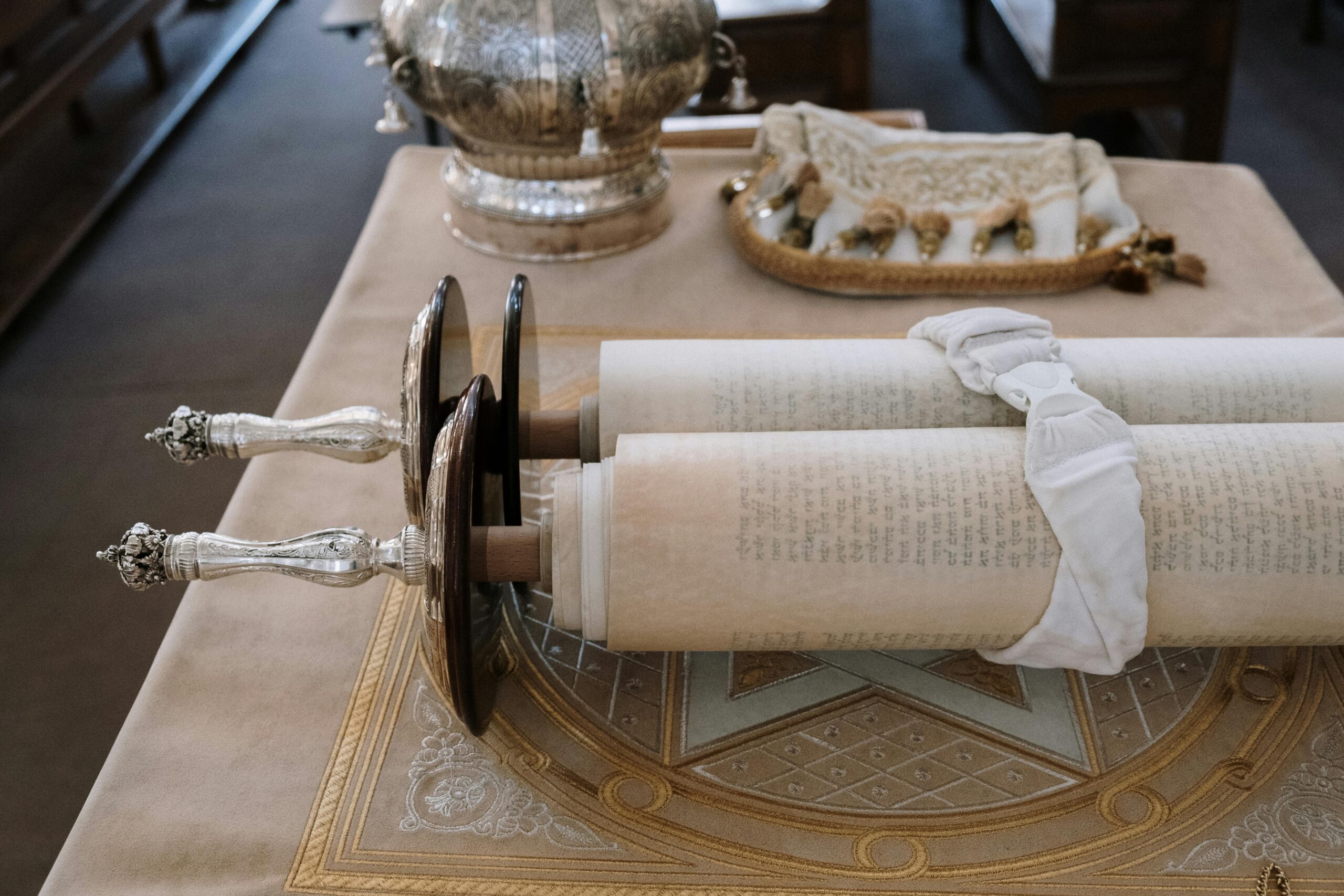
Silver Torah ornaments represent centuries of devotion, artistry, and Jewish heritage, transforming sacred texts into breathtaking visual testimonies of faith and craftsmanship. ✨

The Sacred Marriage of Spirituality and Artistry
Throughout Jewish history, communities have expressed their reverence for the Torah through exquisite decorative objects crafted from precious metals. Silver, with its lustrous beauty and symbolic purity, became the preferred medium for creating ritual objects that honor the holiest text in Judaism. These ornaments serve not merely as decoration but as physical expressions of the commandment to beautify religious practice, known as “hiddur mitzvah.”
The tradition of adorning Torah scrolls dates back centuries, with each piece telling stories of communities that commissioned them. From the ornate crowns that sit atop the wooden rollers to the delicate pointer used during reading, every element reflects both religious significance and the finest metalworking techniques of its era. These masterpieces bridge the temporal and eternal, connecting contemporary worshippers with generations of believers who came before.
The Crown Jewels: Rimonim and Keter Torah 👑
Among the most recognizable Torah ornaments are the rimonim, often called finials in English. These decorative pieces cap the wooden handles of the Torah scroll, their name derived from the Hebrew word for pomegranates. The pomegranate symbolizes the 613 commandments in Jewish law, making these ornaments rich with symbolic meaning beyond their aesthetic appeal.
Traditional rimonim feature intricate silverwork with bells that create gentle chiming sounds when the Torah is carried through the synagogue. This auditory element adds another dimension to the ceremonial procession, announcing the presence of the sacred scroll. Master silversmiths would spend countless hours creating these pieces, incorporating detailed filigree work, precious stones, and architectural elements that reflected the styles of their time and place.
The keter Torah, or Torah crown, represents perhaps the most majestic of all Torah ornaments. These elaborate crowns sit atop the Torah scroll, literally crowning the word of God. Crafted from silver and often embellished with gemstones, these crowns feature towers, bells, and intricate decorative patterns. Each crown becomes a small architectural wonder, with some designs inspired by Jerusalem’s ancient Temple or the gates of heaven.
Regional Variations in Crown Design
Different Jewish communities developed distinct styles for their Torah crowns. Eastern European crowns often featured onion domes reminiscent of Russian architecture, while Sephardic crowns incorporated Moorish influences with geometric patterns and arabesque designs. Italian Jewish communities created crowns with Renaissance and Baroque elements, showcasing the cultural exchange between Jewish craftsmen and their surrounding societies.
The Yad: Pointing Toward Sacred Words 📜
The Torah pointer, called a yad (meaning “hand” in Hebrew), serves a crucial practical function while embodying profound respect for the sacred text. Since touching the Torah parchment directly is traditionally avoided to prevent deterioration, the yad allows readers to follow the text without direct contact. These pointers typically feature a small hand with an extended index finger at one end and an ornamental handle at the other.
Silver yads range from simple, elegant designs to elaborate pieces adorned with engraving, filigree, and gemstones. Some feature chains that allow them to hang from the Torah when not in use, while others rest in dedicated holders. The craftsmanship involved in creating these seemingly simple objects demonstrates the care Jewish communities invest in even the smallest aspects of religious practice.
Breastplates: Shields of Honor and Identity
The Torah breastplate, or tas, hangs over the front of the Torah mantle, serving both decorative and informational purposes. These rectangular or shield-shaped plates often feature Hebrew inscriptions, the Ten Commandments, Lions of Judah, and removable plaques indicating which Torah scroll should be used for specific occasions throughout the Jewish calendar.
Historically, Torah breastplates represented some of the most expensive and prestigious commissions for silversmiths. Wealthy patrons would donate these pieces to synagogues as acts of charity and commemoration, often including inscriptions dedicating the breastplate in memory of loved ones or in celebration of significant life events. The artistry displayed in these pieces reflects the pinnacle of Jewish ceremonial art.
Symbolic Elements in Breastplate Design
Torah breastplates incorporate rich symbolism drawn from Jewish tradition and biblical imagery. Common motifs include:
- Lions representing the Tribe of Judah and strength in faith
- Crowns symbolizing the Torah as the crown of Jewish life
- Columns representing the pillars of the ancient Temple
- Tablets depicting the Ten Commandments
- Menorahs connecting to Temple worship and eternal light
- Floral and vine patterns representing growth and abundance
Beyond the Torah: Synagogue Silver Treasures ✡️
While Torah ornaments form the centerpiece of Jewish ceremonial silver, synagogues house numerous other silver masterpieces that enhance worship and ritual observance. These objects collectively create an environment where beauty serves spirituality, elevating the mundane to the sacred through artistic excellence and precious materials.
The Hanukkah menorah, or chanukiah, stands as one of the most recognizable pieces of Jewish ceremonial art. Synagogue menorahs, often crafted in silver, can reach impressive sizes and feature elaborate designs. Unlike the seven-branched menorah of the ancient Temple, the chanukiah has nine branches—eight for the nights of Hanukkah and one for the shamash, the helper candle used to light the others.
Havdalah Sets and Ceremonial Objects
The havdalah ceremony marking the end of Shabbat utilizes several silver objects including spice boxes (besamim), candleholders, and wine cups. Silver spice boxes come in countless imaginative forms—towers, houses, fish, trains, and flowers—each reflecting the creativity of its maker and the community that commissioned it. These pieces demonstrate how even simple ritual requirements inspired extraordinary artistic expression.
Kiddush cups for blessing wine on Shabbat and holidays also showcase exceptional silverwork. From simple goblets to elaborate pieces with engraved blessings and decorative elements, these cups serve both functional and ceremonial purposes. Many synagogues maintain collections of historical kiddush cups donated by congregants, each piece carrying personal and communal memories.
The Art and Science of Silver Craftsmanship
Creating silver Torah ornaments requires mastery of multiple metalworking techniques developed and refined over centuries. Silversmiths specializing in Judaica combine traditional methods with artistic vision to produce pieces that must meet both aesthetic and religious requirements. The process involves numerous stages, from initial design through final polishing, with each step demanding precision and skill.
Techniques employed in creating these masterpieces include repoussé (hammering from the reverse side to create relief), chasing (refining detail from the front), filigree (creating delicate patterns from fine silver wire), casting, engraving, and stone setting. Many historical pieces combine multiple techniques in single objects, showcasing the comprehensive skills of master craftsmen.
Materials and Hallmarks
While silver remains the primary material, Torah ornaments often incorporate other precious metals and materials including gold gilding, semi-precious stones, enamel work, and occasionally even diamonds. The quality of silver used varies, with sterling silver (92.5% pure) becoming the standard in many communities. Hallmarks stamped on pieces provide valuable information about their origin, date, and maker, turning each object into a historical document.
Preservation Across Generations 🏛️
Many synagogues and museums house collections of antique Torah ornaments and ceremonial silver that survived centuries of use, migration, and sometimes persecution. These objects carry not only artistic and monetary value but also serve as tangible connections to communities that may no longer exist. Holocaust survivors sometimes brought Torah ornaments across continents, ensuring that these physical embodiments of faith endured even when communities were destroyed.
Conservation of historic silver Judaica requires specialized knowledge combining art restoration, metallurgy, and understanding of Jewish law regarding ritual objects. Conservators must balance preserving the object’s integrity with maintaining its ritual fitness for use. Some pieces remain in active ceremonial use centuries after their creation, while others rest in museum collections, educating new generations about Jewish artistic heritage.
Museums and Collections
Institutions worldwide preserve and display outstanding collections of Jewish ceremonial silver. The Jewish Museum in New York, the Israel Museum in Jerusalem, and numerous smaller museums house pieces spanning continents and centuries. These collections allow scholars to trace stylistic developments, identify regional variations, and understand how Jewish communities expressed their faith through material culture.
Contemporary Artists and Ancient Traditions
Today’s Judaica artists continue the tradition of creating silver Torah ornaments, working within historical frameworks while bringing contemporary sensibilities to their designs. Modern silversmiths study antique pieces, learning traditional techniques while also incorporating new technologies and artistic movements. The result is a living tradition that honors the past while remaining relevant to contemporary worshippers.
Some contemporary artists create pieces that strictly adhere to traditional forms and decorative motifs, ensuring continuity with centuries of Jewish artistic expression. Others push boundaries, incorporating abstract designs, modern materials, or unconventional forms that challenge expectations while maintaining the essential function and sacred purpose of ritual objects. This creative tension keeps the tradition vibrant and evolving.
The Spiritual Dimension of Material Beauty 🕊️
The investment of resources, skill, and artistry in Torah ornaments reflects a fundamental Jewish approach to spirituality—that the material world can and should be elevated in service of the divine. Rather than viewing physical beauty as a distraction from spiritual matters, Jewish tradition embraces “hiddur mitzvah,” the beautification of commandments, as a way of showing love and reverence for God’s law.
When a congregation uses exquisitely crafted silver ornaments in their Torah service, they make a statement about values and priorities. These objects declare that the words of Torah deserve the finest vessels humanity can create. The beauty of the ornaments draws people’s attention, creating a sense of occasion and importance around the reading and honoring of scripture.
Education Through Beauty
For children and newcomers to Jewish practice, the visual splendor of silver Torah ornaments creates lasting impressions and emotional connections to tradition. The sparkle of silver, the sound of bells on rimonim, and the majesty of a crowned Torah scroll engage multiple senses, making abstract concepts tangible and memorable. These objects become teaching tools, opening conversations about history, symbolism, and religious meaning.
Commissioning and Collecting: Modern Patronage
Individuals and families continue the tradition of commissioning Torah ornaments as gifts to synagogues, often marking life-cycle events such as bar and bat mitzvahs, weddings, or memorializing loved ones. This practice maintains a direct link between contemporary Jews and their ancestors who supported religious life through similar patronage. The inscriptions on these pieces weave personal and communal narratives into the ongoing story of Jewish continuity.
Collectors of antique Judaica preserve pieces that might otherwise be lost, though collecting raises complex questions about whether ritual objects belong in private hands or communal institutions. Responsible collectors often loan pieces to exhibitions, making them accessible to broader audiences, and some eventually donate collections to museums, ensuring public access and professional preservation for future generations.
A Legacy Written in Silver ✨
Silver Torah ornaments and synagogue masterpieces represent far more than their material worth or artistic merit. They embody the devotion of generations, the skill of master craftsmen, and the enduring commitment of Jewish communities to honor their most sacred texts with beauty and excellence. Each piece tells multiple stories—of the artisan who created it, the patron who commissioned it, the community that used it, and the tradition that inspired it.
As these treasures pass from generation to generation, they carry forward not just silver and gemstones but values, memories, and connections that transcend time. In synagogues around the world, whether the buildings are centuries old or newly constructed, these gleaming ornaments continue to crown Torah scrolls, pointing fingers continue to guide readers through ancient words, and silver beauty continues to elevate the experience of encountering sacred text.
The tradition of creating and cherishing these objects remains vital in contemporary Jewish life, ensuring that future generations will inherit not only the words of Torah but also the artistic legacy that surrounds and honors those words. In this way, silver becomes a vehicle for both aesthetic pleasure and spiritual connection, proving that the timeless treasures of faith serve purposes far beyond decoration—they are themselves acts of worship, expressions of love, and bridges between heaven and earth.