
Jewish patrons in medieval Iberia and Ashkenaz transformed Hebrew manuscripts into luminous treasures, merging spiritual devotion with artistic excellence that still captivates scholars today.

✨ The Golden Age of Hebrew Manuscript Patronage
The medieval period witnessed an extraordinary flourishing of Hebrew manuscript production, driven by wealthy Jewish patrons who understood the profound connection between preserving sacred texts and expressing cultural identity. In both Sephardic Iberia and Ashkenazic Northern Europe, these benefactors commissioned scribes and artists to create works of breathtaking beauty that served religious, educational, and commemorative purposes.
These illuminated manuscripts represented far more than simple text repositories. They embodied the intersection of Jewish law, mysticism, philosophy, and aesthetics during a period when Jewish communities faced both unprecedented cultural achievement and persistent challenges. The patrons who financed these works left indelible marks on Jewish cultural heritage, ensuring transmission of knowledge across generations while simultaneously creating objects of enduring artistic value.
🏛️ Distinct Artistic Traditions: Sephardic Splendor and Ashkenazic Expression
The manuscript traditions of medieval Iberia and Ashkenaz developed distinctive visual languages reflecting their respective cultural environments. Sephardic manuscripts, produced primarily in Christian and Muslim Spain, exhibited influences from Islamic geometric patterns, Mudéjar architectural motifs, and Christian Gothic illumination. The famous Golden Haggadah and Sarajevo Haggadah exemplify this synthesis, featuring intricate carpet pages, vibrant narrative scenes, and sophisticated decorative programs.
Ashkenazic manuscripts from the Rhineland, Northern France, and England displayed different aesthetic sensibilities. These works often incorporated marginal illustrations, zoomorphic lettering, and distinctive iconographic conventions that reflected Germanic artistic traditions. The illuminations tended toward more schematic representations, with emphasis on didactic clarity rather than naturalistic detail.
Regional Characteristics of Manuscript Production
Iberian Hebrew manuscripts frequently employed brilliant blues derived from lapis lazuli, burnished gold leaf, and rich crimson pigments. Artists created elaborate micrographic compositions where tiny scriptural texts formed decorative patterns and images. The integration of Arabic calligraphic influences produced distinctive Hebrew letter forms with elegant flourishes and proportions.
Ashkenazic manuscripts favored different color palettes and compositional strategies. Red, blue, and green dominated decorative elements, often applied in bold, graphic patterns. Scribes developed regional scripts like the square Ashkenazic hand, characterized by angular letterforms and distinctive ligatures. Marginal drolleries—whimsical figures and hybrid creatures—populated the borders, sometimes commenting humorously on the main text.
💰 The Economics of Patronage: Who Commissioned Hebrew Manuscripts?
Understanding manuscript patronage requires examining the economic structures of medieval Jewish communities. Wealthy merchants, court officials, physicians, and scholars comprised the primary patron class. These individuals possessed both financial means and cultural motivations to invest substantial resources in manuscript production.
In Iberia, Jewish courtiers serving Christian and Muslim rulers accumulated significant wealth and social prestige. Figures like Samuel ha-Nagid of Granada and Abraham Zacuto combined scholarship with political influence, creating environments where manuscript production flourished. Their patronage extended beyond personal libraries to communal institutions, synagogues, and educational establishments.
Ashkenazic patronage operated within different socioeconomic frameworks. While fewer Jews achieved the courtly positions common in Iberia, successful merchants and financiers supported manuscript production through synagogue donations and private commissions. Family networks often pooled resources for especially ambitious projects, with manuscripts passed as cherished heirlooms across generations.
Costs and Commissions
Commissioning an illuminated Hebrew manuscript represented a substantial financial undertaking. Expenses included parchment preparation, scribe wages, artist fees, pigments, binding materials, and often housing and feeding craftsmen during production. A fully illuminated biblical codex might require months or years to complete, with costs equivalent to substantial real estate investments.
Patrons negotiated contracts specifying text selection, decorative programs, materials quality, and completion schedules. Colophons—scribal notations at manuscript conclusions—sometimes preserved these details, naming patrons, scribes, artists, and circumstances of production. These inscriptions provide invaluable windows into medieval Jewish book culture.
📜 Sacred Texts and Their Artistic Transformation
Different textual genres received varying decorative treatments reflecting their liturgical and educational functions. Illuminated Hebrew Bibles represented the pinnacle of manuscript production, requiring extraordinary artistic and scribal expertise. The masoretic apparatus—critical notes preserving textual accuracy—itself became decorative through micrographic artistry.
Haggadot for Passover seder rituals became especially elaborate in Iberia, featuring extensive narrative cycles illustrating biblical exodus stories and contemporary Jewish life. These works served pedagogical purposes, helping families transmit traditions while celebrating freedom’s significance. The illustrations functioned as visual midrash, expanding textual meanings through artistic interpretation.
Prayer Books and Ritual Manuscripts
Mahzorim (festival prayer books) and siddurim (daily prayer books) received careful illumination, particularly for liturgical poems and special prayers. Initial words of important prayers featured decorative lettering, while calendar calculations and ritual instructions merited special attention. These manuscripts accompanied worshippers throughout their lives, accumulating personal annotations and family records.
Ketubbot (marriage contracts) represented another significant manuscript category. While technically legal documents rather than codices, elaborate ketubbot demonstrated patronage values applied to ceremonial texts. Families commissioned beautifully illuminated contracts incorporating symbolic imagery, architectural frames, and decorative programs celebrating marital union.
🎨 Artists and Workshops: The Makers Behind the Masterpieces
Identifying individual artists presents significant challenges, as most medieval manuscripts remained unsigned. Jewish scribes typically identified themselves in colophons, but artists rarely received such attribution. Evidence suggests both Jewish and non-Jewish artists contributed to Hebrew manuscript illumination, raising fascinating questions about cross-cultural artistic exchange.
Workshop organization varied regionally. In major Iberian centers like Toledo, Barcelona, and Lisbon, specialized workshops might employ teams including scribes, illuminators, rubricators, and binders. Ashkenazic production often operated on smaller scales, with individual scribes sometimes executing both text and decoration, or coordinating with local artists for illumination programs.
Technical Mastery and Innovation
Hebrew manuscript artists demonstrated sophisticated technical knowledge. They prepared parchment through multi-stage processes ensuring smooth, receptive surfaces. Quill pens required careful cutting and maintenance for consistent letterforms. Inks combined carbon black, gall nuts, and metallic components, formulated for permanence and flow characteristics.
Pigment preparation involved grinding mineral and organic materials, binding them with media like egg tempera or gum arabic. Gold leaf application required particular skill, with burnishing techniques creating brilliant reflective surfaces. Artists developed specialized tools including ruling devices for text columns, compasses for geometric decoration, and various brushes for different painting techniques.
🕍 Synagogues and Libraries: Manuscript Collections and Community Access
While wealthy individuals commissioned manuscripts for private use, many donations enriched communal collections. Synagogues accumulated Torah scrolls, biblical codices, and liturgical texts serving congregational needs. These institutional collections ensured broader access to Hebrew literary culture beyond elite circles.
Some communities established libraries as educational institutions. The famous Cairo Genizah preserves evidence of manuscript circulation, lending practices, and scholarly networks. Marginalia in surviving manuscripts records reader annotations, study notes, and sometimes critiques of textual interpretations, revealing intellectual engagement across social strata.
🌍 Cultural Exchange and Artistic Synthesis
Hebrew manuscript illumination never developed in isolation. Artists absorbed influences from surrounding cultures while maintaining distinctive Jewish characteristics. In Iberia, the convivencia (coexistence) of Christian, Muslim, and Jewish communities facilitated unprecedented artistic cross-pollination.
Islamic geometric patterns influenced Hebrew manuscript decoration, particularly in carpet pages and architectural frames. Christian Gothic illumination contributed figural styles, spatial conventions, and iconographic motifs. Jewish artists synthesized these elements while respecting halakhic (legal) considerations regarding representational art.
Navigating Religious Restrictions
Jewish law’s complex relationship with visual imagery shaped manuscript illumination. While the Second Commandment prohibits graven images, interpretative traditions allowed considerable flexibility regarding manuscript decoration. Figurative representations appeared widely, though some communities preferred geometric and floral motifs exclusively.
Artists developed creative solutions balancing artistic expression with religious sensibilities. Anthropomorphic faces sometimes featured animal heads or blank spaces. Sacred divine names received special treatment through micrography or decorative emphasizing rather than figural representation. These compromises demonstrated sophisticated theological and aesthetic negotiations.
📚 Preservation and Persecution: The Survival of Medieval Manuscripts
The manuscripts surviving today represent mere fractions of medieval production. Persecution, expulsions, inquisitions, and general attrition destroyed countless works. The 1492 Spanish expulsion scattered Sephardic Jewish communities and their manuscript collections across the Mediterranean and beyond.
Ashkenazic communities faced similar catastrophes. Crusade violence, blood libels, and expulsions from England, France, and German territories disrupted manuscript production and preservation. Many works survived through fortunate circumstances—hidden during crises, carried into exile, or acquired by Christian collectors who valued their artistic merit.
Modern Scholarship and Digital Access
Contemporary scholars employ sophisticated methodologies studying surviving manuscripts. Codicological analysis examines physical construction, revealing production techniques and workshop practices. Paleographic study identifies scribal hands and dating evidence. Art historical approaches contextualize illumination within broader medieval visual culture.
Digital humanities initiatives now provide unprecedented access to dispersed manuscript collections. High-resolution imaging, multispectral photography, and three-dimensional modeling reveal details invisible to naked eyes. Online databases facilitate comparative research across institutional collections worldwide, democratizing scholarship previously requiring extensive travel.
🔍 Case Studies: Exemplary Manuscripts and Their Patrons
The Kennicott Bible, completed in 1476 in La Coruña, Spain, exemplifies late medieval Iberian manuscript splendor. Commissioned by Isaac di Braga and executed by scribe Moses ibn Zabarah with artist Joseph ibn Hayyim, it features breathtaking carpet pages combining Islamic geometric patterns with Gothic architectural elements. The colophon documents patronage circumstances, creation timeline, and artistic collaboration.
The Birds’ Head Haggadah from early fourteenth-century Germany represents distinctive Ashkenazic illumination. Its famous anthropomorphic figures with bird heads illustrate halakhic concerns about human representation while maintaining narrative clarity. The manuscript’s survival through centuries of upheaval testifies to Jewish communities’ commitment preserving cultural heritage despite persecution.
💎 Legacy and Continuing Influence
Medieval Hebrew manuscripts continue influencing contemporary Jewish art, book design, and cultural expression. Artists draw inspiration from historical illumination traditions, adapting motifs and techniques for modern contexts. Ketubbot artists reference medieval decorative programs, maintaining continuity across centuries.
Museum exhibitions and scholarly publications bring these works to broader audiences, fostering appreciation for medieval Jewish cultural achievements. The manuscripts demonstrate Jewish communities’ sophisticated artistic production despite marginalized social positions, challenging historical narratives emphasizing victimization over agency and creativity.
🌟 The Enduring Power of Illuminated Faith
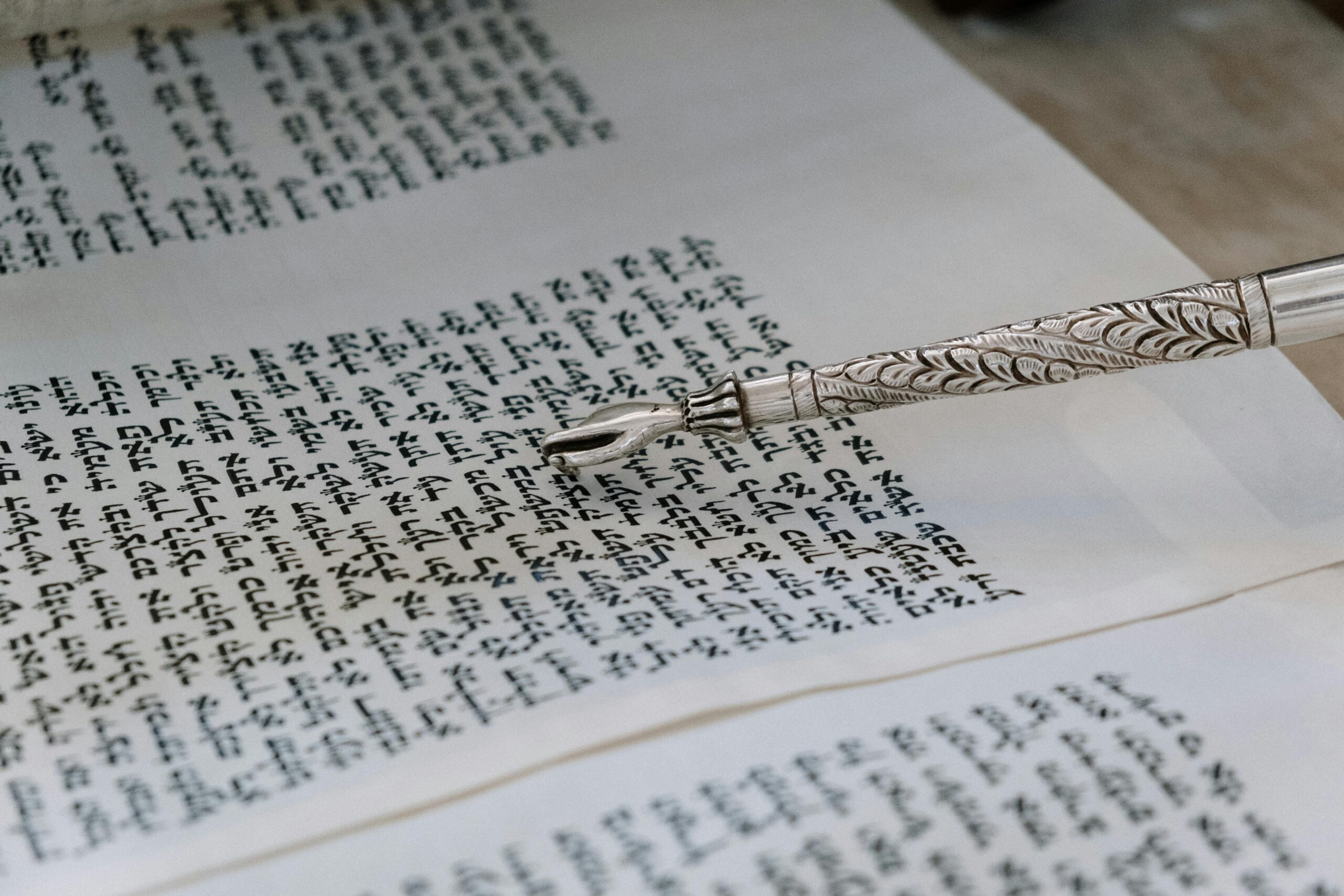
Jewish patrons in medieval Iberia and Ashkenaz created manuscript legacies transcending their historical moments. Through financial investment, aesthetic vision, and religious commitment, they ensured sacred texts received treatments worthy of divine words they contained. The resulting manuscripts functioned simultaneously as religious objects, educational tools, status symbols, and artistic masterpieces.
These works preserved not only biblical and liturgical texts but also visual records of medieval Jewish life, thought, and creativity. Illuminations depicting contemporary dress, architectural settings, and daily activities provide invaluable historical documentation. Decorative programs reveal aesthetic preferences, theological concerns, and cultural exchanges shaping medieval Jewish communities.
Understanding medieval Hebrew manuscript patronage illuminates broader questions about art, faith, and cultural preservation. How do communities invest material resources in spiritual and intellectual heritage? What roles do wealthy individuals play supporting collective cultural production? How do artistic traditions maintain distinctiveness while engaging surrounding cultures?
The legacy of medieval Jewish patrons reminds contemporary audiences that cultural heritage requires active cultivation, generous support, and creative vision. The manuscripts they commissioned continue speaking across centuries, testifying to faith’s power inspiring artistic excellence and human creativity’s capacity expressing divine transcendence through material beauty.
As digitization projects make these treasures globally accessible, new generations encounter medieval Jewish artistry’s sophistication and beauty. Scholars continue discovering insights through fresh examination of familiar works and newly accessible manuscripts. The illuminated pages still shimmer with gold, vibrant pigments, and sacred words—enduring testimonies to patrons who understood art’s capacity elevating faith and preserving culture for future generations.